

Breakthrough in miniaturized cameras aims at slimmer smartphones and wearable devices.
A microlens array method integrates several image fragments into a single clear shot, all within an extremely compact design.
Samsung
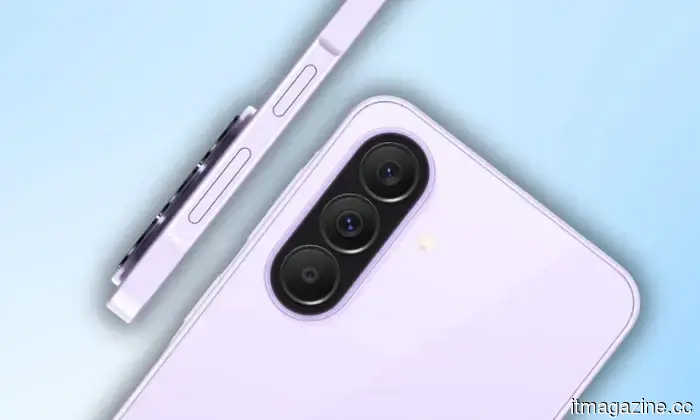
An innovative camera breakthrough could transform the design of phones and wearable devices. Researchers at KAIST have created a remarkably thin camera module that addresses a common design challenge in consumer technology: the camera bump.
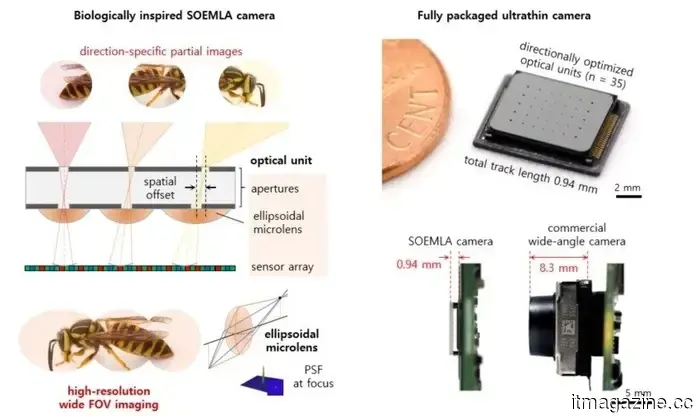
The system offers a 140-degree field of view within a structure less than 1mm thick, allowing it to sit almost flush with modern devices. Current high-performance cameras rely on stacked lenses, which increase bulk and necessitate protruding components or thicker hardware.
In contrast, this design employs a microlens array inspired by the vision of insects, merging multiple captures into a single high-resolution image. This allows for detailed and wide-angle coverage while minimizing thickness.
Microlens technology replaces stacked optics
The main innovation lies in the way the camera captures and processes light. It utilizes multiple tiny lenses arranged in an array, with each capturing a different portion of the scene.
KAIST
This concept draws from the vision system of a parasitic insect, which creates a complete image by assembling partial views. The KAIST team adapted this split-and-merge approach so that the camera can provide both a wide field of view and high resolution without increasing thickness.
Consistency is crucial in practical applications. Wide-angle cameras often experience blurring at the edges, especially when close to objects, but this design maintains image stability from the center outwards.
Importance for device design
For manufacturers, this innovation expands possibilities in compact spaces. The camera delivers strong imaging capabilities while reducing its physical footprint.
At 0.94mm thick, it can fit into areas where traditional camera modules cannot, making it ideal for wearables and medical devices like endoscopes, where size and image clarity are essential.
Apple
However, some aspects are still unclear, as the research does not address low-light or video performance, which are vital for real-world applications.
Future developments to monitor
The project is already heading toward commercial application. The technology is being transferred to an optical imaging company, with expectations for market readiness as soon as next year.
Early usage will likely be seen in specialized devices first, particularly in scenarios where precision and compactness are critical. Medical devices and micro-robots are immediate candidates before the technology becomes available in mainstream consumer products.
The speed of this transition will depend on several factors, including manufacturing scalability, costs, and compatibility with existing imaging systems, which have not yet been disclosed.
If these components are successfully addressed, the first clear indicator will be initial products that demonstrate the design's effectiveness outside of a laboratory setting, followed by a gradual rollout into larger device categories.
Paulo Vargas is an English major turned reporter turned technical writer, with a career that has consistently returned to…
Razr 70 Ultra leak reveals Motorola’s plans to impress with striking new finishes
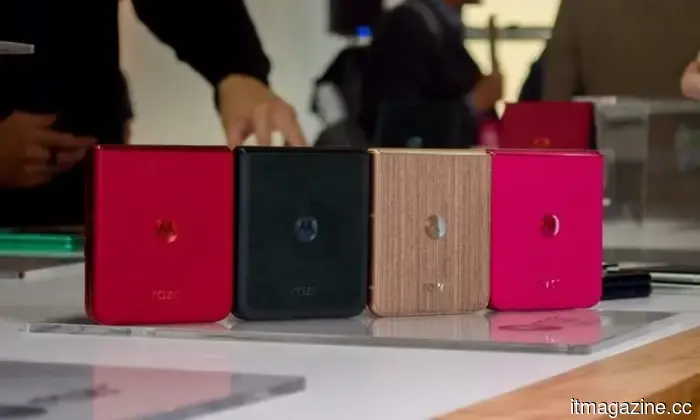
Leaked press images indicate that Motorola is focusing on distinctive textures and materials to differentiate the Razr 70 Ultra, even though the overall design remains mostly unchanged.
Motorola is preparing to unveil the successor to last year’s Razr 60 Ultra. Recent CAD renders provided an initial glimpse of the device, indicating that the forthcoming Razr 70 Ultra will not undergo significant design changes. Nevertheless, a new leak suggests that Motorola may emphasize unique colors and finishes to help it stand out.
What are the new color choices?
Read more
Google Photos now saves you a valuable second with an iPhone-like copy feature
It’s a one-second solution for a longstanding frustration, and users of Google Photos on Android will likely wonder how they managed without it.
Google Photos has finally introduced a feature that iOS has offered for years. A new Copy button is being rolled out in the Google Photos share sheet, allowing users to copy an image directly to the clipboard without needing to download it to their device first (via Android Authority).
What exactly does the new Google Photos feature do?
Read more
YouTube is testing a more efficient way to watch videos faster
YouTube's latest trial aims to save time, one sped-up video at a time.
YouTube Premium is one of the few subscriptions I willingly pay for. Given the abundance of unskippable ads on YouTube these days, I appreciate having a paid option.
In addition to an ad-free experience, Premium subscribers enjoy background play and a selection of experimental features not available to regular users. Now, YouTube is launching a new experiment for Premium subscribers that could genuinely alter how you view videos.
Read more




Other articles
 YouTube is testing a more efficient method for viewing videos more quickly.
YouTube Premium has introduced a new experimental feature called Auto Speed, which automatically modifies the playback speed to help you watch videos more quickly.
YouTube is testing a more efficient method for viewing videos more quickly.
YouTube Premium has introduced a new experimental feature called Auto Speed, which automatically modifies the playback speed to help you watch videos more quickly.
 Canva makes a dual acquisition of Simtheory and Ortto.
Canva has acquired the agentic AI platform Simtheory and the marketing automation firm Ortto, both developed by brothers Chris and Mike Sharkey.
Canva makes a dual acquisition of Simtheory and Ortto.
Canva has acquired the agentic AI platform Simtheory and the marketing automation firm Ortto, both developed by brothers Chris and Mike Sharkey.
 China's Geely presents electric vehicle charging technology that can charge from 10% to 97% in less than 9 minutes.
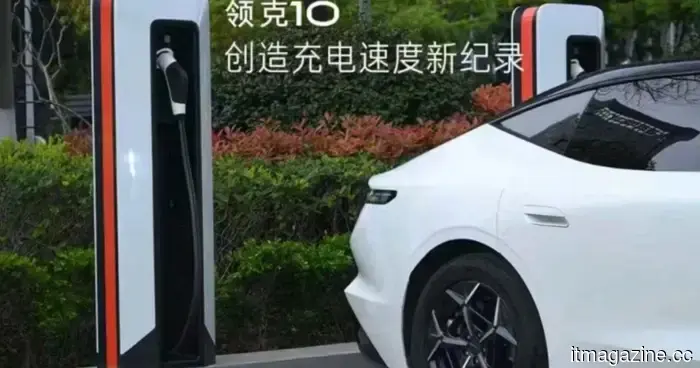
The Chinese automaker Geely has announced a new achievement in EV charging with its latest model, the Lunk & Co 10, which can charge from 10% to 97% in less than nine minutes.
China's Geely presents electric vehicle charging technology that can charge from 10% to 97% in less than 9 minutes.
The Chinese automaker Geely has announced a new achievement in EV charging with its latest model, the Lunk & Co 10, which can charge from 10% to 97% in less than nine minutes.
 Volkswagen's MOIA and Uber have kicked off trials for self-driving ID. Buzz minibuses in Los Angeles.
MOIA America and Uber begin testing in Los Angeles with 10 autonomous ID. Buzz vehicles, aiming for a commercial robotaxi rollout with safety operators by the end of 2026.
Volkswagen's MOIA and Uber have kicked off trials for self-driving ID. Buzz minibuses in Los Angeles.
MOIA America and Uber begin testing in Los Angeles with 10 autonomous ID. Buzz vehicles, aiming for a commercial robotaxi rollout with safety operators by the end of 2026.
 Volkswagen’s MOIA and Uber have started trials of self-driving ID. Buzz minibuses in Los Angeles.
MOIA America and Uber commence testing in Los Angeles with 10 autonomous ID. Buzz vehicles, aiming for a commercial robotaxi rollout with safety operators by the end of 2026.
Volkswagen’s MOIA and Uber have started trials of self-driving ID. Buzz minibuses in Los Angeles.
MOIA America and Uber commence testing in Los Angeles with 10 autonomous ID. Buzz vehicles, aiming for a commercial robotaxi rollout with safety operators by the end of 2026.
 Canva has acquired Simtheory and Ortto in a dual agreement.
Canva has purchased the agentic AI platform Simtheory and the marketing automation firm Ortto, both created by siblings Chris and Mike Sharkey.
Canva has acquired Simtheory and Ortto in a dual agreement.
Canva has purchased the agentic AI platform Simtheory and the marketing automation firm Ortto, both created by siblings Chris and Mike Sharkey.
Breakthrough in miniaturized cameras aims at slimmer smartphones and wearable devices.
KAIST's ultra-slim camera offers an expansive field of view in under 1mm, with the goal of eliminating the camera bump and allowing for thinner smartphones, wearables, and compact medical gadgets.