

OpenAI collaborates with Smartly to introduce conversational advertisements to ChatGPT.
It took just six weeks for significant changes to occur. On February 9, OpenAI activated advertisements within ChatGPT for free-tier users in the United States. By late March, the company announced that the pilot program had generated over $100 million in annual revenue, attracted more than 600 advertisers, and reached less than 20% of eligible users. Now, OpenAI is seeking external assistance to enhance the ambition of these ads. As reported by Business Insider, the company is collaborating with Smartly, a Helsinki-based advertising automation platform, to introduce conversational, interactive ad formats to ChatGPT. These new formats engage users by responding in real time rather than just appearing alongside responses.
This partnership signifies a notable progression from the static, labeled placements that OpenAI initially launched when it revealed its advertising plans in January. During those early trials, a sponsored card could be displayed beneath a product question—like an air fryer ad following an inquiry about kitchen appliances, or a hotel ad appearing after a travel-related question. The new conversational formats will allow users to click on an advertisement and enter a chatbot experience offering personalized recommendations, effectively transforming the advertisement into an interactive dialogue within ChatGPT’s interface, according to Smartly’s description of the collaboration.
Smartly, which reported around $101 million in revenue for 2025 and is valued at about $300 million, is prominent for aiding brands in optimizing campaigns in real time across platforms like Meta, Google, TikTok, and Snapchat. Its focus within the ChatGPT partnership appears to be on performance optimization, adjusting ad creative and targeting dynamically based on user interactions with the new ad formats. OpenAI has also engaged Criteo, a French commerce-media firm, as its first official ad-tech partner, which has linked approximately 17,000 advertisers to ChatGPT’s ad inventory since March 2. The company has begun preliminary discussions with The Trade Desk regarding further scaling ad sales, though no agreements have been made public yet.
The commercial framework is being established quickly. In late March, OpenAI appointed David Dugan, a former vice-president at Meta with over a decade of experience leading the platform’s global clients and agencies division, to lead its new global advertising solutions team. Dugan reports to COO Brad Lightcap and joins a leadership team that includes Fidji Simo, the former Facebook executive now CEO of OpenAI’s applications division, and Denise Dresser, the former CEO of Slack, who became chief revenue officer in December 2025. These hires suggest that OpenAI is moving beyond initial advertising experiments to form a permanent sales structure.
OpenAI has informed investors that it anticipates ChatGPT's consumer revenue will surpass $17 billion by 2026, with advertising making up a significant portion of income from its non-paying user demographic. The numbers are telling: the company claims to have over 800 million weekly active users, but only about 5% of them subscribe. Self-service advertising tools that would eliminate the current $200,000 minimum commitment and make the platform accessible to small and medium-sized businesses are set to launch this month. Trials in Canada, Australia, and New Zealand are expected to follow, with plans for broader international expansion throughout the year.
The initial pricing has been aggressive, with ChatGPT ads starting at approximately $60 per thousand impressions—this premium pricing is supported by early performance metrics showing that users referred by large language models convert at rates 1.5 times higher than those from other channels. Reports indicate that nearly 80% of small and medium-sized businesses are interested in advertising on this platform, and if this interest translates into actual spending when self-service access becomes available, it could lead to a remarkably swift increase in advertising activity.
The privacy measures surrounding these advertisements will be crucial in determining the success of the conversational formats and whether they will lead to a backlash that undermines ChatGPT's core appeal. OpenAI asserts that conversations are private and not shared with advertisers, who only receive aggregated performance data like views and clicks. Ads are restricted from being shown alongside health, mental health, or political topics, and users under 18 do not see them. However, these assurances have not silenced critics. Zoe Hitzig, a former OpenAI researcher, has publicly stated that the company is building an economic model where incentives could eventually compromise its rules, highlighting that ChatGPT holds an unprecedented archive of personal conversations. Data related to purchases can return to OpenAI when a user clicks an ad and completes a transaction, and the company’s updated privacy policy allows for contact-syncing features that could process a user’s phone number without explicit consent.
Competitors have quickly recognized and seized on this opportunity. Anthropic, creator of the Claude chatbot, aired Super Bowl commercials that subtly contrasted its ad-free approach with OpenAI's strategies. The messaging was clear: one company views its users as the product, while the other does not. Whether this distinction resonates with the hundreds of millions of users who access ChatGPT for free remains uncertain, but

Other articles
 Google Photos aims to prevent you from unintentionally damaging your photos.
Google Photos is overhauling its editor to minimize unintentional alterations, substituting gesture shortcuts with a more intentional workflow that emphasizes accuracy, consistency, and a reduction in accidental edits on Android devices.
Google Photos aims to prevent you from unintentionally damaging your photos.
Google Photos is overhauling its editor to minimize unintentional alterations, substituting gesture shortcuts with a more intentional workflow that emphasizes accuracy, consistency, and a reduction in accidental edits on Android devices.
 Researchers developed a chip capable of functioning at temperatures exceeding those of lava.
Researchers have developed a chip that operates at 700°C. This advancement has the potential to transform AI, space exploration, and virtually every gadget you possess.
Researchers developed a chip capable of functioning at temperatures exceeding those of lava.
Researchers have developed a chip that operates at 700°C. This advancement has the potential to transform AI, space exploration, and virtually every gadget you possess.
 Meta and YouTube held responsible in significant social media addiction lawsuit.
A jury in Los Angeles determined that Meta and YouTube were responsible for creating addictive platforms that caused harm to a young user, resulting in a $6 million award and establishing a precedent for over 10,000 ongoing cases.
Meta and YouTube held responsible in significant social media addiction lawsuit.
A jury in Los Angeles determined that Meta and YouTube were responsible for creating addictive platforms that caused harm to a young user, resulting in a $6 million award and establishing a precedent for over 10,000 ongoing cases.
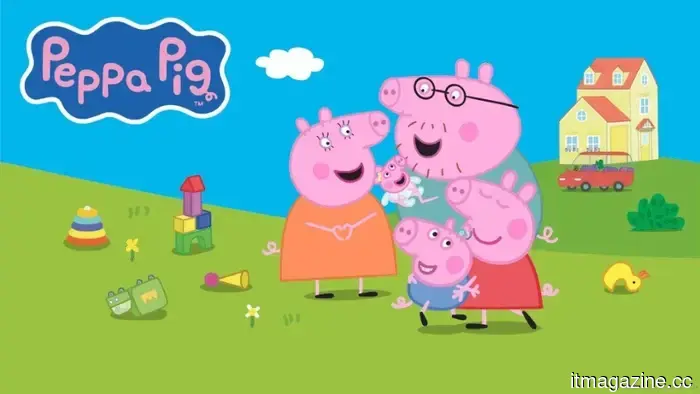 Hasbro breaches: Owner of Peppa Pig and Transformers cautions of potential weeks of disruptions.
Hasbro announced unauthorized access to its network in an SEC filing, stating that it has taken systems offline and cautioned that product deliveries may be postponed for several weeks.
Hasbro breaches: Owner of Peppa Pig and Transformers cautions of potential weeks of disruptions.
Hasbro announced unauthorized access to its network in an SEC filing, stating that it has taken systems offline and cautioned that product deliveries may be postponed for several weeks.
 Google Pixel devices may soon prevent users from reverting to a previous version of the Android operating system.
Google might be strengthening anti-rollback measures on upcoming Pixel devices, potentially preventing users from flashing previous Android versions, even for testing or recovery purposes.
Google Pixel devices may soon prevent users from reverting to a previous version of the Android operating system.
Google might be strengthening anti-rollback measures on upcoming Pixel devices, potentially preventing users from flashing previous Android versions, even for testing or recovery purposes.
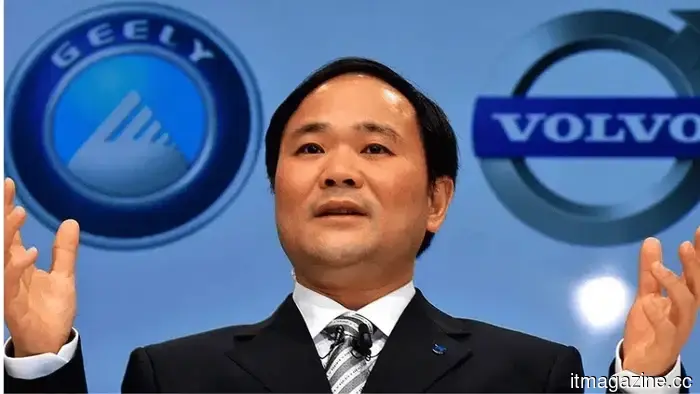 Geely will cease the construction of new factories and will utilize Volvo's manufacturing facilities instead.
Geely's chairman, Li Shufu, has announced that the company will cease the construction of new factories, opting instead to utilize Volvo's existing facilities and collaborate with Ford and Renault for overseas production.
Geely will cease the construction of new factories and will utilize Volvo's manufacturing facilities instead.
Geely's chairman, Li Shufu, has announced that the company will cease the construction of new factories, opting instead to utilize Volvo's existing facilities and collaborate with Ford and Renault for overseas production.
OpenAI collaborates with Smartly to introduce conversational advertisements to ChatGPT.
OpenAI is collaborating with Smartly to develop interactive ad formats within ChatGPT, six weeks following the successful ad pilot that generated over $100 million in annualized revenue with under 600 advertisers.