
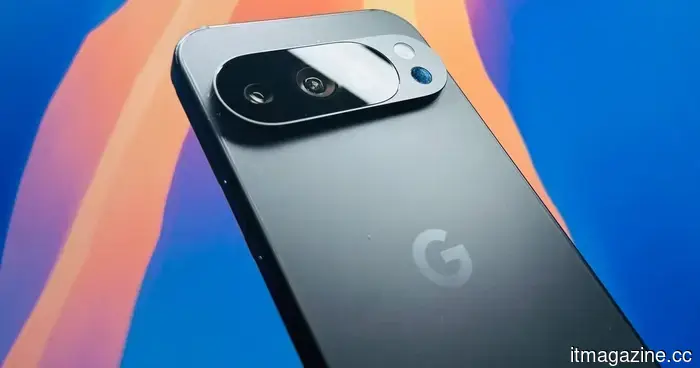
Google Pixel devices may soon prevent users from reverting to a previous version of the Android operating system.
Your upcoming Pixel may prevent you from reverting to previous Android versions.
Recent reports indicate that Google may make it significantly more challenging for Pixel users to downgrade to earlier Android builds. A new update is expected to enhance the anti-rollback protection feature, a security measure created to deter devices from being flashed with outdated software versions. The primary purpose of this feature is to shield devices from older software iterations that could contain known vulnerabilities.
On the more inconvenient side, this change might limit some flexibility for Pixel users, particularly those enthusiasts who enjoy flashing older builds for purposes such as testing, troubleshooting, or escaping a problematic release.
Why is Google implementing this?
As reported by Android Authority, the latest indication comes from the Android 16 QPR1 Beta 1. Google seems to be preparing for a more extensive rollout of rollback protection for Pixel devices. This report suggests that the anti-rollback feature may not only relate to the bootloader or firmware but could also influence the ability to install previous Android OS versions.
From Google's standpoint, the reasoning is quite clear. Older versions can still harbor security vulnerabilities that have been addressed in later updates, leaving users open to exploitation. Therefore, the anti-rollback feature is essentially a safeguard to prevent devices from reverting to a less secure state.
Why might some users dislike this?
The challenge is that security-driven decisions like this often affect power users first. If this becomes more widespread, it could complicate matters for users trying to downgrade from a problematic beta build, developers assessing how older Android versions behave, and enthusiasts who manually flash images for recovery or modification.
Although these changes are logical in theory, they also diminish one of the attractive features that have kept Pixel phones favored among Android enthusiasts. The Pixel 10 may be the first model to receive this update.
Tech journalist and product reviewer specializing in consumer electronics. Sean has covered everything from flagship devices...
Android 17 is making significant strides in location privacy.
For years, location permissions on Android have been rather convoluted. When you open an app that requests your location, you often find yourself needing to choose: While in-use? Always? Precise? Approximate? Most users simply make a quick selection without fully realizing they might be sharing more information than necessary. With Android 17, that approach is changing; it makes the decision relevant only at the exact moments when location is truly required.
The new location button streamlines the process.
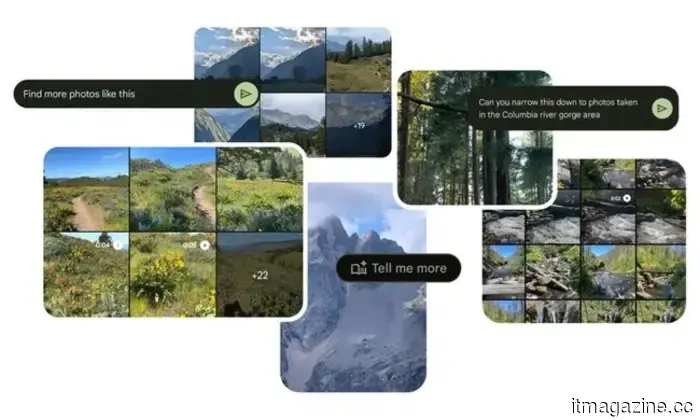
Google Photos aims to help you avoid unintentionally ruining your pictures.
A new editing process aims to minimize mistakes and preserve your photos. Google Photos is altering how you edit pictures on Android with a focus on preventing unwanted alterations. If you’ve ever accidentally activated a tool while tapping a photo, this update is designed to stop that from recurring.
The app is eliminating gesture-based shortcuts that previously launched editing tools with a tap or a scribble. Now, those actions necessitate a deliberate selection within the editor, shifting the focus from speed to intent. It’s a subtle redesign that transforms the beginning of every edit.
Apple extends security updates to older iPhones at risk of hacking.
Historically, updating your iPhone meant committing to a new software design and features, regardless of your preference. There was no choice to maintain an older version while still receiving security fixes; you either upgraded or accepted the risks. However, Apple is now making a noteworthy exception by providing security updates for older iOS versions, even for iPhones capable of running the latest software. While this may seem minor, it represents a significant shift for Apple.
This change was not coincidental; it was prompted by a serious hacking method known as DarkSword. This exploit can compromise certain iPhones running iOS 18 simply by having users visit a malicious website. Just one misstep could lead to your phone being compromised before you even recognize the issue. While those using the latest iOS were already protected, millions still using iOS 18 remained vulnerable, creating a situation that Apple could no longer overlook.

Other articles
 Meta and YouTube were found responsible in a groundbreaking trial related to social media addiction.
A jury in Los Angeles determined that Meta and YouTube were responsible for creating addictive platforms that caused harm to a young user, resulting in a $6 million award and establishing a precedent for over 10,000 ongoing cases.
Meta and YouTube were found responsible in a groundbreaking trial related to social media addiction.
A jury in Los Angeles determined that Meta and YouTube were responsible for creating addictive platforms that caused harm to a young user, resulting in a $6 million award and establishing a precedent for over 10,000 ongoing cases.
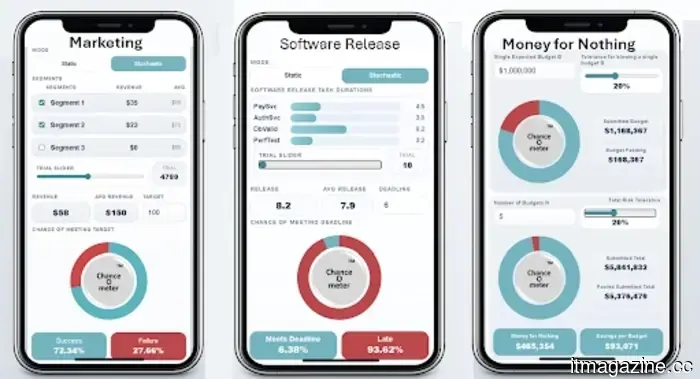 Why probability, rather than averages, is transforming AI decision-making.
AI-driven tools such as ChanceOmeters assist organizations in assessing uncertainty, simulating outcomes, and enhancing decision-making beyond mere averages.
Why probability, rather than averages, is transforming AI decision-making.
AI-driven tools such as ChanceOmeters assist organizations in assessing uncertainty, simulating outcomes, and enhancing decision-making beyond mere averages.
 Hasbro breaches: Owner of Peppa Pig and Transformers cautions of potential weeks of disruptions.
Hasbro announced unauthorized access to its network in an SEC filing, stating that it has taken systems offline and cautioned that product deliveries may be postponed for several weeks.
Hasbro breaches: Owner of Peppa Pig and Transformers cautions of potential weeks of disruptions.
Hasbro announced unauthorized access to its network in an SEC filing, stating that it has taken systems offline and cautioned that product deliveries may be postponed for several weeks.
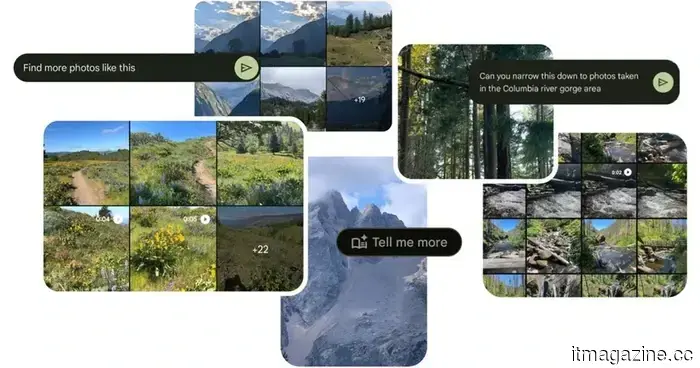 Google Photos aims to prevent you from unintentionally damaging your photos.
Google Photos is overhauling its editor to minimize unintentional alterations, substituting gesture shortcuts with a more intentional workflow that emphasizes accuracy, consistency, and a reduction in accidental edits on Android devices.
Google Photos aims to prevent you from unintentionally damaging your photos.
Google Photos is overhauling its editor to minimize unintentional alterations, substituting gesture shortcuts with a more intentional workflow that emphasizes accuracy, consistency, and a reduction in accidental edits on Android devices.
 Volvo's parent company has just announced a $15,000 extended-range electric vehicle, highlighting the significant value disparity in the US market.
Geely's latest Boyue EREV is priced starting at only $14,900 in China, highlighting once again that the most competitive pricing for electrified vehicles is taking place far from the U.S. market.
Volvo's parent company has just announced a $15,000 extended-range electric vehicle, highlighting the significant value disparity in the US market.
Geely's latest Boyue EREV is priced starting at only $14,900 in China, highlighting once again that the most competitive pricing for electrified vehicles is taking place far from the U.S. market.
 Meta and YouTube held responsible in significant social media addiction lawsuit.
A jury in Los Angeles determined that Meta and YouTube were responsible for creating addictive platforms that caused harm to a young user, resulting in a $6 million award and establishing a precedent for over 10,000 ongoing cases.
Meta and YouTube held responsible in significant social media addiction lawsuit.
A jury in Los Angeles determined that Meta and YouTube were responsible for creating addictive platforms that caused harm to a young user, resulting in a $6 million award and establishing a precedent for over 10,000 ongoing cases.
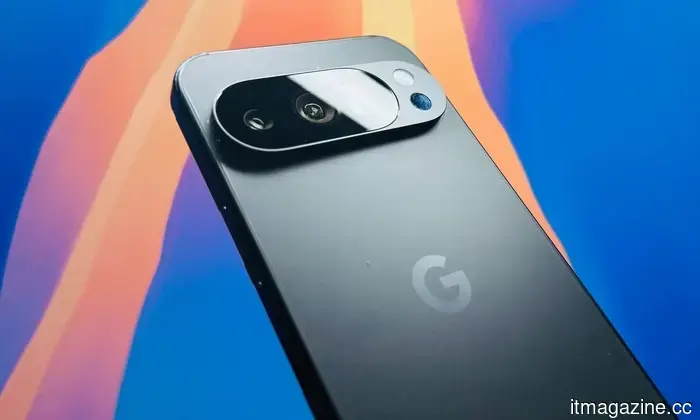
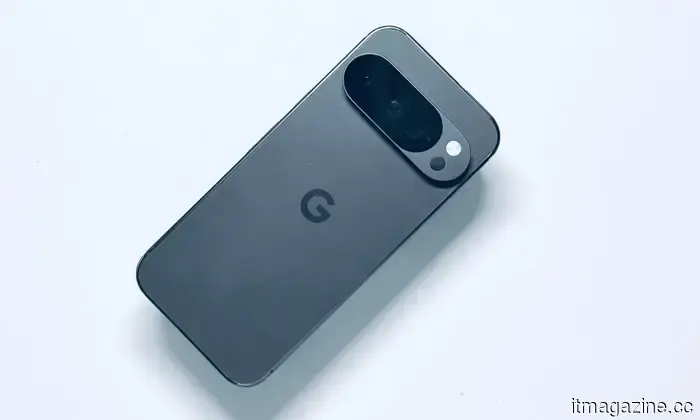
Google Pixel devices may soon prevent users from reverting to a previous version of the Android operating system.
Google might be strengthening anti-rollback measures on upcoming Pixel devices, potentially preventing users from flashing previous Android versions, even for testing or recovery purposes.