
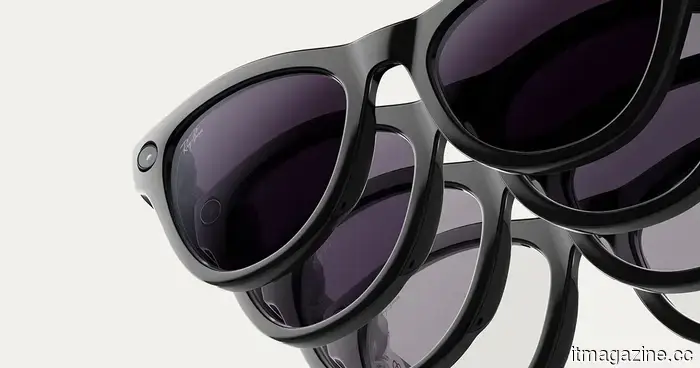
Smart glasses were already unsettling, and now they're being used to assist people in cheating.
Concerns about privacy and spying have been present regarding smart glasses, but now there's a new issue emerging: cheating. And it's surprisingly simple.
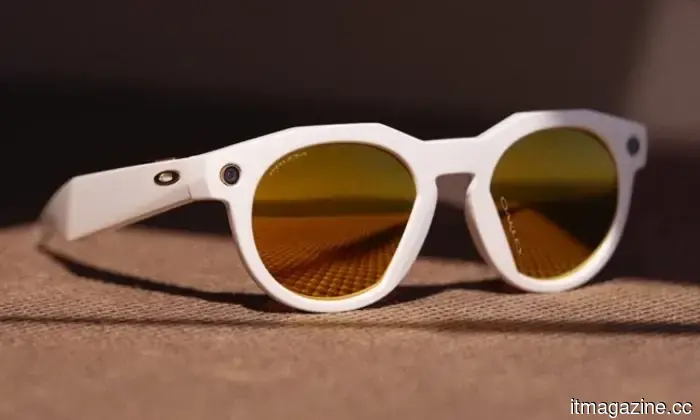
A recent article from Rest of World reveals that AI-enabled smart glasses are being utilized to read exam questions and show answers directly on the lenses, effectively turning them into real-time tools for cheating. Students have been found renting these glasses for as little as $6 a day, using them not just for navigation or translation, but specifically to gain an unfair advantage in exams.
So how does this work?
It involves a combination of hardware and advancing AI. Modern smart glasses are equipped with cameras, microphones, and AI assistants that can analyze what’s in front of them and respond instantly. This means that a question on paper can be scanned, processed by an AI model, and an answer delivered—all without needing to pull out a smartphone. Additionally, since these devices resemble regular glasses, they are harder to detect compared to traditional cheating methods.
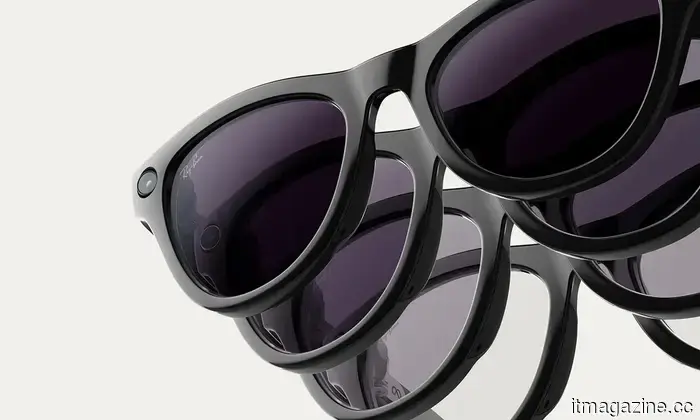
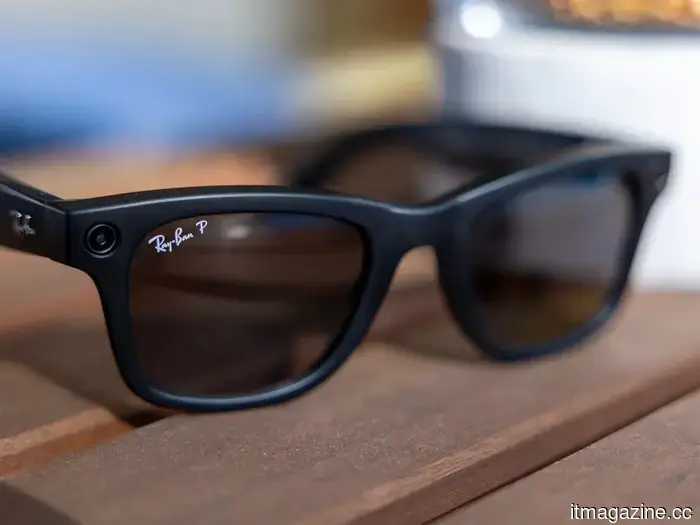
Adding to the concerns, devices like the Ray-Ban Meta smart glasses have already raised alarms about covert recording and privacy issues, as critics highlight the ease of capturing photos or videos unnoticed. With the entry of cheating into this scenario, the worries extend beyond mere surveillance to concerns about fairness, trust, and the enforcement of rules by institutions.
When technology becomes… too advanced
This issue transcends exam cheating; it threatens the integrity of the entire educational system. Experts caution that devices like AI-powered smart glasses could undermine traditional methods of identifying misconduct due to their discreet, always-on nature, making them difficult to monitor. Some regions have begun implementing drastic measures, such as temporarily disabling AI tools during exams, to stay ahead of the situation.
Conversely, we are entering a phase of “invisible tech,” where these devices are genuinely beneficial yet also prone to misuse. The true challenge lies in this seamlessness; as technology evolves, the distinction between assistance and dishonesty starts to blur.
Varun is an experienced technology journalist and editor with more than eight years in consumer tech media. His work encompasses...
Although AI is showing remarkable improvement, new research suggests that the concept of AI creativity is merely an illusion.
Studies indicate that while generative AI excels in writing, designing, and brainstorming, it lacks genuine creativity. A recent study from the University of Barcelona’s Institute of Neuroscience, in collaboration with IDIBELL, CVC-UAB, and the Vienna Cognitive Science Hub, asserts that AI's "creativity" is superficial at best. The research reveals that while AI can produce outputs that seem creative, it primarily reinterprets existing data patterns instead of generating truly novel concepts. Ultimately, it implies that AI struggles with the fundamental cognitive processes behind creativity, even if the final results seem impressive. In summary, AI can imitate creativity but does not grasp its essence.
Read more
An AI agent monitored Guinness prices across Irish pubs—now, I want one to track coffee and ramen prices!
There’s something exceptionally clever about delegating your curiosity to an AI that doesn’t tire or feel awkward. If an AI can call thousands of pubs and create a Guinness price index, why stop there? Why not let one loose to track your daily coffee expenses or late-night ramen cravings?
Count me in—I want one of those!
Meta's upcoming smart glasses appear to be a game-changer for those who need prescription lenses.
Known as Scriber and Blazer and already going through FCC filings, Meta's AI glasses designed for prescription wearers could be its most inclusive wearable launch to date.
For the billions who depend on corrective glasses daily (myself included), smart glasses have always sparked an awkward conversation. While you can currently acquire Ray-Ban Meta frames with custom prescriptions, it seems Meta has more innovative options in the pipeline.
According to a Bloomberg report, Meta is developing two new AI glasses specifically tailored for those who require prescriptions, rather than treating them as an afterthought. The new models may be offered in both rectangular and rounded frame styles and, unlike current options, will be sold through traditional prescription eyewear retailers.
Read more



Other articles
 Avatar Legends: The Fighting Game is set to be released in July, and it appears quite impressive.
Avatar Legends: The Fighting Game is set to launch on July 2, featuring a stylish 2D fighting experience with elemental battles, cross-play capabilities, and a roster of 12 characters.
Avatar Legends: The Fighting Game is set to be released in July, and it appears quite impressive.
Avatar Legends: The Fighting Game is set to launch on July 2, featuring a stylish 2D fighting experience with elemental battles, cross-play capabilities, and a roster of 12 characters.
 Apple may develop an AI app store for the next version of Siri.
Apple's approach to AI seems to be following a well-known path, similar to what contributed to the iPhone's success. According to a recent Bloomberg report, Apple is developing a new "Extensions" system for iOS 27 that would enable third-party AI assistants, such as Google Gemini and Anthropic’s Claude, to integrate directly with Siri. More […]
Apple may develop an AI app store for the next version of Siri.
Apple's approach to AI seems to be following a well-known path, similar to what contributed to the iPhone's success. According to a recent Bloomberg report, Apple is developing a new "Extensions" system for iOS 27 that would enable third-party AI assistants, such as Google Gemini and Anthropic’s Claude, to integrate directly with Siri. More […]
 Chromebooks are losing popularity in US schools for unexpected reasons.
U.S. schools are reducing Chromebook usage because of distractions, behavioral problems, and worries that excessive technology might negatively impact learning results.
Chromebooks are losing popularity in US schools for unexpected reasons.
U.S. schools are reducing Chromebook usage because of distractions, behavioral problems, and worries that excessive technology might negatively impact learning results.
 AI is becoming remarkably proficient, yet studies indicate that the notion of AI creativity is merely an illusion.
Recent studies indicate that AI can reach the level of average human creativity, but genuine originality and exceptional creativity continue to be uniquely human traits.
AI is becoming remarkably proficient, yet studies indicate that the notion of AI creativity is merely an illusion.
Recent studies indicate that AI can reach the level of average human creativity, but genuine originality and exceptional creativity continue to be uniquely human traits.
 Samsung created an alcohol refrigerator equipped with an AI feature to help manage your exquisite wine collection.
Samsung has introduced a wine fridge powered by AI that can automatically scan, monitor, and manage your wine collection.
Samsung created an alcohol refrigerator equipped with an AI feature to help manage your exquisite wine collection.
Samsung has introduced a wine fridge powered by AI that can automatically scan, monitor, and manage your wine collection.
 Starcloud has secured $170 million at a valuation of $1.1 billion to develop data centers in space.
 This funding will support the startup's upcoming two satellites.
Starcloud has secured $170 million at a valuation of $1.1 billion to develop data centers in space.
Starcloud has secured $170 million at a valuation of $1.1 billion to develop data centers in space. This funding will support the startup's upcoming two satellites.
Smart glasses were already unsettling, and now they're being used to assist people in cheating.
Smart glasses powered by AI are generating new worries as reports emerge of users using them to cheat on exams, in addition to existing privacy concerns.