
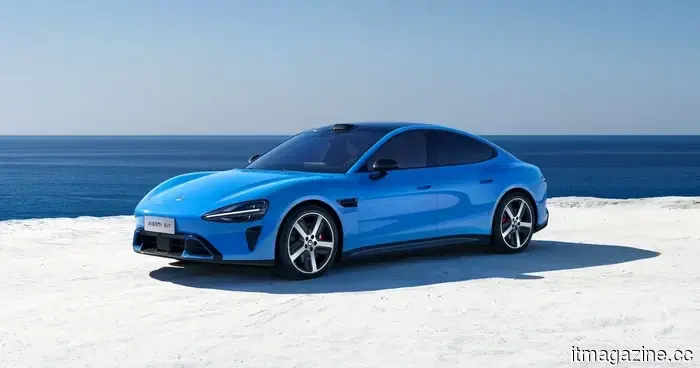
American car buyers desire what is currently out of their reach: Chinese electric vehicles.
A significant number of buyers in the US are expressing interest in Chinese electric vehicles, despite the challenges in acquiring them.
Recent reports indicate that many Americans are attracted to Chinese EVs because of their competitive pricing, superior features, and advanced technology integration. These characteristics are increasingly hard to find in the US market at a comparable price point. However, there's a major hurdle: how can one actually purchase these vehicles?
The rise in popularity of Chinese EVs
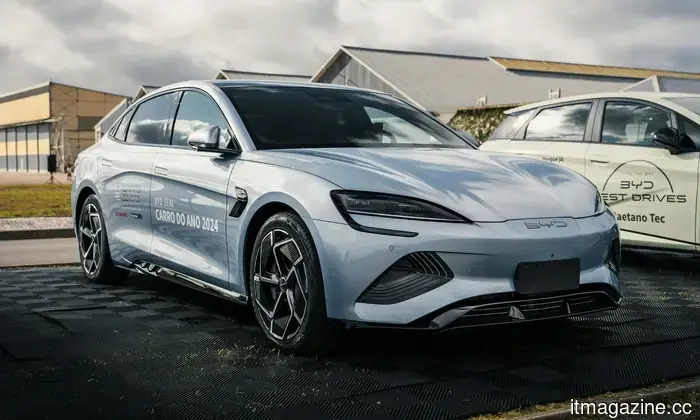
Major Chinese car manufacturers such as BYD and Geely have been introducing EVs priced at or below $30,000. Despite this affordability, these models offer upscale interiors and technology. They are also designed for compact and practical use. This combination seems to resonate with many US customers who feel such options are lacking in their local market.
Surveys indicate that nearly half of US consumers perceive Chinese EVs as providing excellent value, showcasing a significant shift in attitudes.
So, what prevents them from being sold in the US?
Despite the increasing interest, Chinese EVs face significant barriers to entering the US market. The primary issue is policy-related. The US government has imposed tariffs exceeding 100% on Chinese EV imports, rendering them economically unfeasible for domestic sales. Additionally, there are national security concerns, pressure to support local automakers, and escalating trade tensions with China.
Nonetheless, some individuals are discovering alternative methods.
Car enthusiasts are resorting to unconventional routes, such as importing Chinese EVs through Mexico, to access these more affordable options. While this is not a mainstream practice, it illustrates the growing demand.
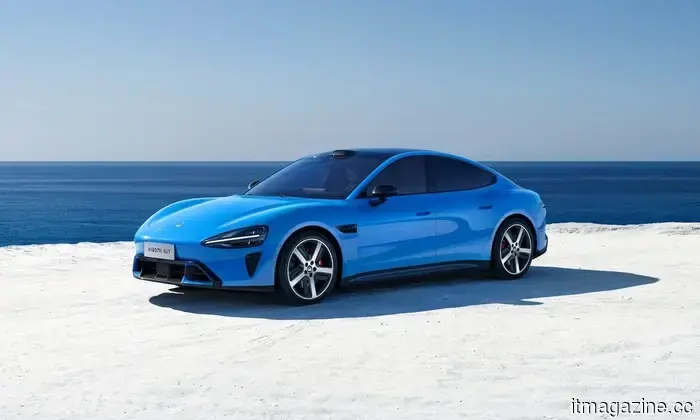
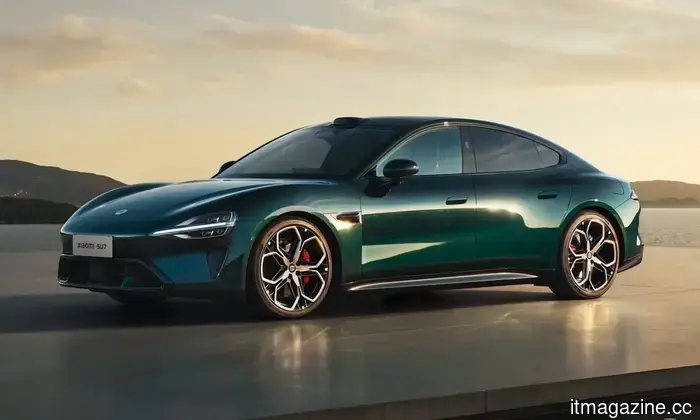
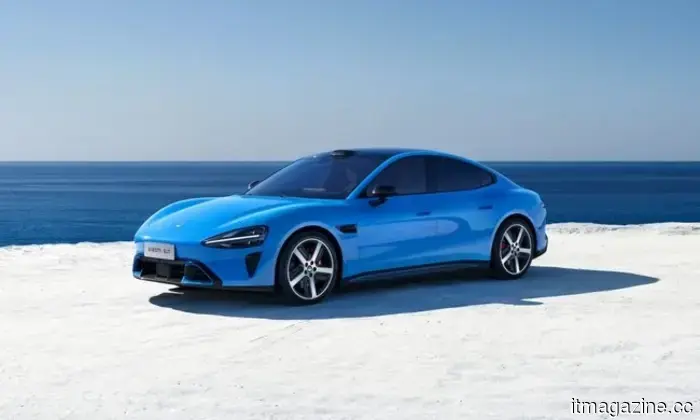
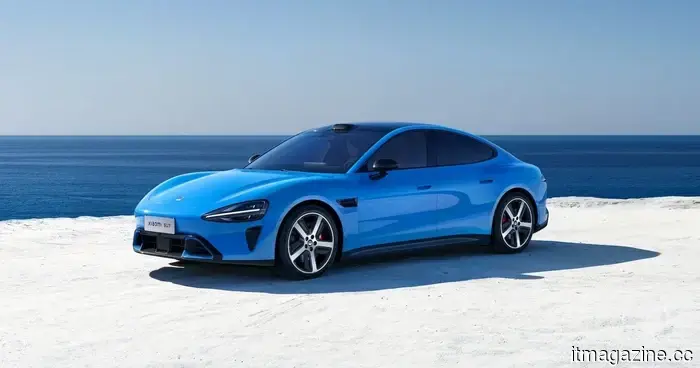
Xiaomi's SU7 EV is setting a new standard for style and substance
Xiaomi's electric sedan has undergone a notable transformation, enhancing both its appearance and features.
Tesla has been dominant in the premium EV market for years, but Xiaomi is making a compelling argument for why that should change. The company has recently launched its updated SU7 model, featuring significant improvements in design, performance, comfort, and safety that are hard to overlook.
What’s new about the design?
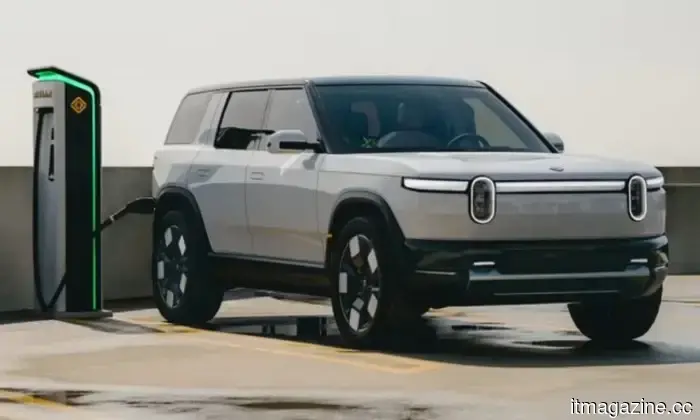
Rivian collaborates with Uber to deploy thousands of robotaxis
Uber’s $1.25 billion investment in Rivian's R2 robotaxi services could transform how millions of people request rides in 25 cities by 2031.
Uber and Rivian have entered into a strategic partnership that aims to deploy up to 50,000 fully autonomous robotaxis by 2031. As part of this agreement, Uber will invest $300 million in Rivian, equivalent to approximately 19.55 million shares, immediately upon signing.
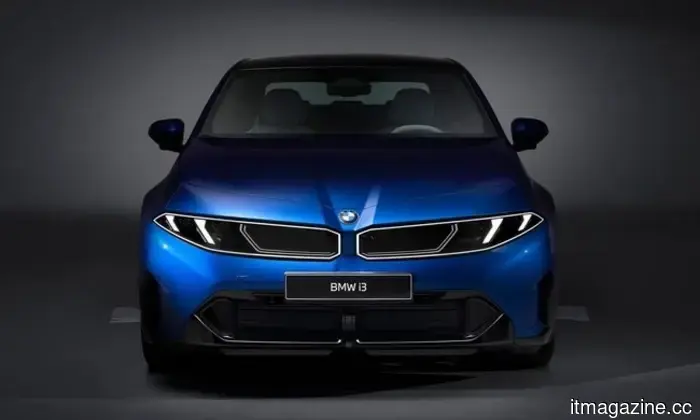
BMW introduces the next-generation i3 with bold design and innovative EV technology
The launch of the new i3 50 xDrive signifies a major overhaul for BMW's electric vehicle lineup.
BMW has officially presented the new i3 50 xDrive, the second model in its next-generation Neue Klasse electric series, marking a significant shift for the brand. According to BMW's press release, the new i3 is no longer a compact hatchback like its earlier version but is now a fully electric sedan positioned as the EV counterpart to the 3 Series, built from the ground up on BMW’s new Neue Klasse platform. This vehicle follows the recently introduced iX3 and plays a critical role in BMW’s strategy to produce a new generation of EVs featuring enhanced efficiency, range, and digital capabilities.

Other articles
 Studies indicate that AI-generated summaries enhance learning, even if they have the potential to shift your views.
A study conducted by Yale revealed that individuals understood history more effectively from summaries created by AI compared to those written by humans. However, there was a notable drawback: the content generated by AI subtly altered their political views.
Studies indicate that AI-generated summaries enhance learning, even if they have the potential to shift your views.
A study conducted by Yale revealed that individuals understood history more effectively from summaries created by AI compared to those written by humans. However, there was a notable drawback: the content generated by AI subtly altered their political views.
 Studies show that AI-generated summaries enhance learning, though they may also influence your views.
A study conducted by Yale revealed that individuals understood historical content more effectively when it was summarized by AI rather than by humans. However, there was a caveat: the AI-generated material subtly influenced their political views as well.
Studies show that AI-generated summaries enhance learning, though they may also influence your views.
A study conducted by Yale revealed that individuals understood historical content more effectively when it was summarized by AI rather than by humans. However, there was a caveat: the AI-generated material subtly influenced their political views as well.
 Elon Musk is constructing a TeraFab chip manufacturing facility, and it’s unlike anything else on the planet.
Elon Musk has revealed TeraFab, a chip manufacturing facility in Austin established as a partnership between Tesla and SpaceX, aimed at producing chips to power its vehicles, humanoid robots, and spacecraft.
Elon Musk is constructing a TeraFab chip manufacturing facility, and it’s unlike anything else on the planet.
Elon Musk has revealed TeraFab, a chip manufacturing facility in Austin established as a partnership between Tesla and SpaceX, aimed at producing chips to power its vehicles, humanoid robots, and spacecraft.
 Studies indicate that AI-generated summaries enhance learning, even if they may influence your viewpoints.
A study conducted by Yale revealed that individuals gained a better understanding of history from summaries generated by AI compared to those written by humans. However, the twist was that AI-generated content subtly influenced their political views as well.
Studies indicate that AI-generated summaries enhance learning, even if they may influence your viewpoints.
A study conducted by Yale revealed that individuals gained a better understanding of history from summaries generated by AI compared to those written by humans. However, the twist was that AI-generated content subtly influenced their political views as well.
 Elon Musk is constructing a TeraFab chip factory, and it is unlike anything else on the planet.
Elon Musk has unveiled TeraFab, a chip manufacturing facility in Austin created as a collaboration between Tesla and SpaceX, aimed at producing chips for energizing its vehicles, humanoid robots, and spacecraft.
Elon Musk is constructing a TeraFab chip factory, and it is unlike anything else on the planet.
Elon Musk has unveiled TeraFab, a chip manufacturing facility in Austin created as a collaboration between Tesla and SpaceX, aimed at producing chips for energizing its vehicles, humanoid robots, and spacecraft.
 US car purchasers desire what is currently unavailable to them: Chinese electric vehicles.
Increasing electric vehicle prices in the US are leading buyers to consider Chinese options, despite tariffs and policy obstacles that limit their accessibility.
US car purchasers desire what is currently unavailable to them: Chinese electric vehicles.
Increasing electric vehicle prices in the US are leading buyers to consider Chinese options, despite tariffs and policy obstacles that limit their accessibility.
American car buyers desire what is currently out of their reach: Chinese electric vehicles.
Increasing electric vehicle prices in the US are leading buyers to consider Chinese options, despite tariffs and policy obstacles that make them difficult to access.