
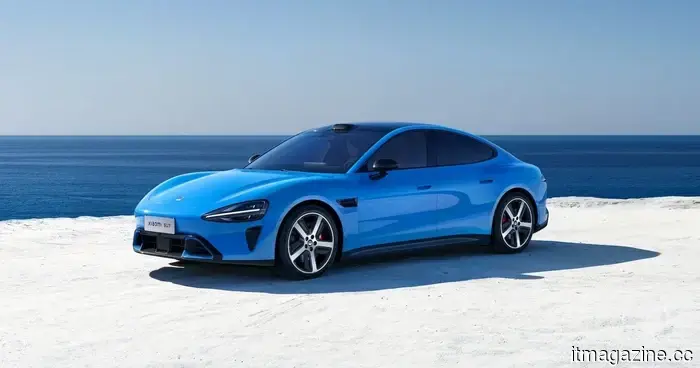
US car purchasers desire what is currently unavailable to them: Chinese electric vehicles.
A significant portion of US consumers is interested in Chinese electric vehicles (EVs), even though acquiring them presents a challenge.
More and more Americans are turning their attention to Chinese EVs, motivated by both interest and frustration.
A recent report reveals that many US buyers are attracted to Chinese EVs because of their lower prices, enhanced features, and advanced technology integration. These qualities are becoming increasingly difficult to find in the US market at comparable price points. However, despite their allure, a major hurdle remains: how can one purchase these vehicles?
Reasons for the rising appeal of Chinese EVs
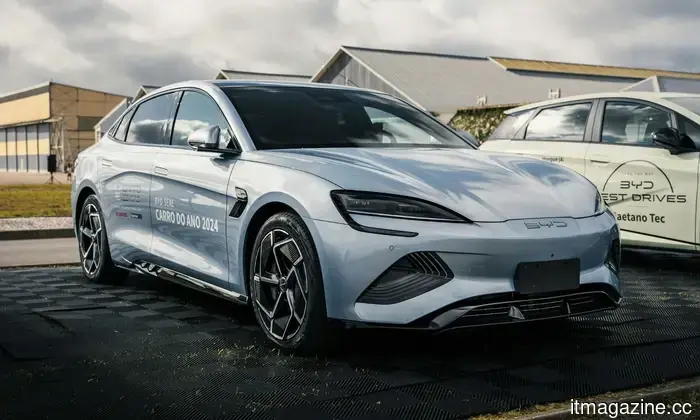
Major Chinese car manufacturers like BYD and Geely have been launching electric vehicles that typically fall around or below the $30,000 mark. Even with this affordable pricing approach, these models offer high-quality interiors and technology. They are also designed for practical, compact usage. This combination seems to fulfill a demand that many US buyers believe is lacking in their local market.
Surveys indicate that nearly half of US consumers perceive Chinese EVs as providing great value, marking a significant shift in opinion.
So, why aren't these vehicles available in the US?
Despite the increasing interest, Chinese EVs face substantial barriers to entering the US market. The main issue lies in policy: the US has enacted tariffs exceeding 100% on imports of Chinese EVs, rendering their sale domestically economically unfeasible. Additionally, there are national security concerns, pressure to safeguard domestic automakers, and rising trade tensions between the US and China.
Some individuals, however, are finding alternative routes.
Car enthusiasts are resorting to unconventional methods, such as importing Chinese EVs via Mexico, to access these lower-priced options. While this isn't a widespread solution, it highlights the growing interest in these vehicles.
Tech journalist and product reviewer specializing in consumer electronics, Sean has covered a wide range of topics, from flagship devices…
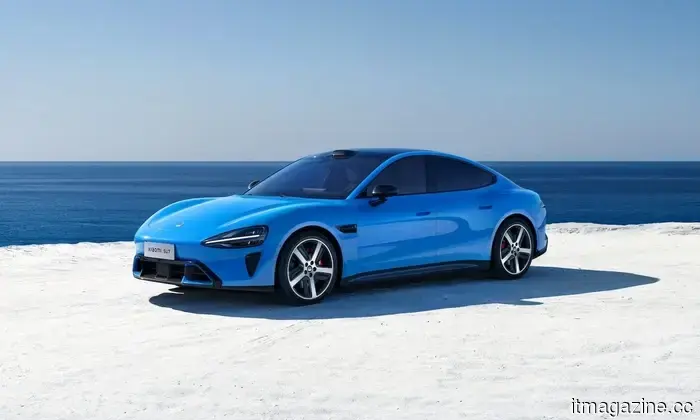
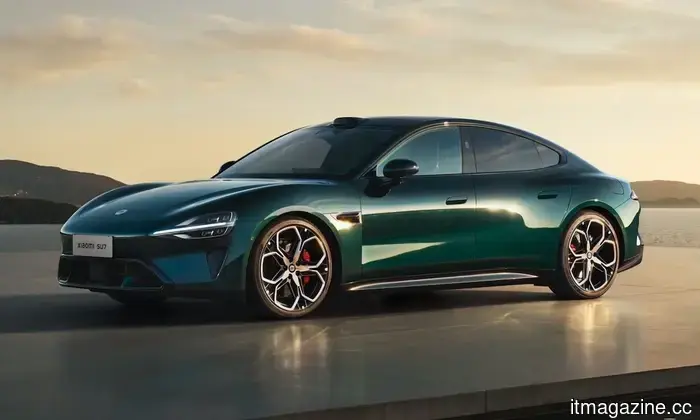
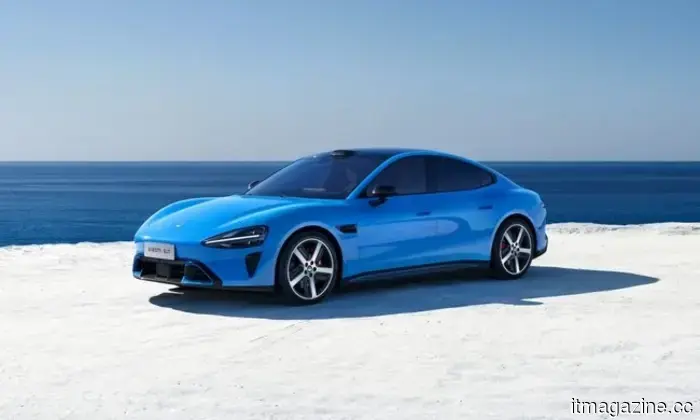
Xiaomi's SU7 EV raises the stakes for Tesla with its impressive design and features.
Xiaomi has revamped its electric sedan, resulting in improvements both inside and out.
For years, Tesla has dominated the premium EV sector, but Xiaomi is presenting a compelling argument for change. The company has recently introduced its new generation of the SU7, boasting significant upgrades in design, performance, comfort, and safety that are hard to overlook.
What changes have been made to the design?
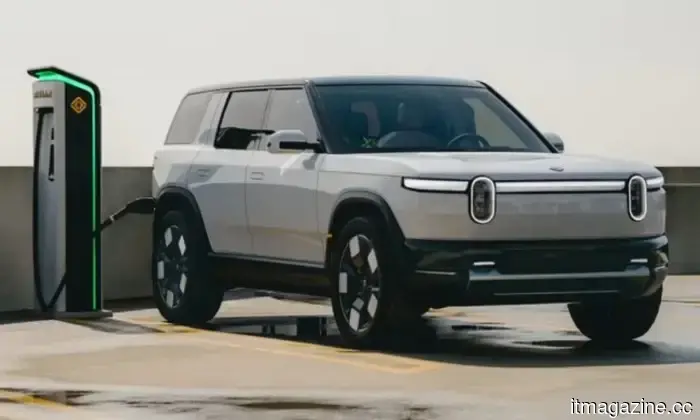
Rivian is collaborating with Uber to launch thousands of robotaxis.
Uber's $1.25 billion investment in Rivian’s R2 robotaxi could transform the way millions request rides across 25 cities by 2031.
Uber and Rivian have announced a strategic agreement that could see up to 50,000 robotaxis (fully autonomous vehicles) operating by 2031. As part of this partnership, Uber will invest $300 million in Rivian (approximately 19.55 million shares), a commitment made immediately upon agreement.
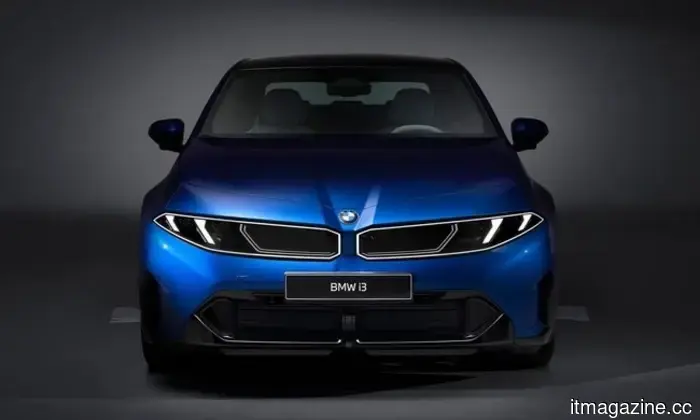
BMW unveils next-gen i3 featuring striking design and cutting-edge EV technology.
The second model in BMW’s Neue Klasse lineup represents a significant overhaul of the brand’s electric offerings.
BMW has officially introduced the new i3 50 xDrive, marking the second vehicle in its next-generation Neue Klasse electric series, which signifies a major reset for the brand's future. According to BMW's official statement, the new i3 is no longer a compact hatchback like its predecessor. Instead, it is a fully electric sedan designed to be the EV counterpart of the 3 Series, built from the ground up on BMW’s new Neue Klasse platform. This model follows the recently launched iX3 and is crucial to BMW’s strategy of rolling out a new generation of electric vehicles with enhanced efficiency, range, and digital features.

Other articles
 Elon Musk is constructing a TeraFab chip factory, and it is unlike anything else on the planet.
Elon Musk has unveiled TeraFab, a chip manufacturing facility in Austin created as a collaboration between Tesla and SpaceX, aimed at producing chips for energizing its vehicles, humanoid robots, and spacecraft.
Elon Musk is constructing a TeraFab chip factory, and it is unlike anything else on the planet.
Elon Musk has unveiled TeraFab, a chip manufacturing facility in Austin created as a collaboration between Tesla and SpaceX, aimed at producing chips for energizing its vehicles, humanoid robots, and spacecraft.
 Studies indicate that AI-generated summaries enhance learning, even if they may influence your viewpoints.
A study conducted by Yale revealed that individuals gained a better understanding of history from summaries generated by AI compared to those written by humans. However, the twist was that AI-generated content subtly influenced their political views as well.
Studies indicate that AI-generated summaries enhance learning, even if they may influence your viewpoints.
A study conducted by Yale revealed that individuals gained a better understanding of history from summaries generated by AI compared to those written by humans. However, the twist was that AI-generated content subtly influenced their political views as well.
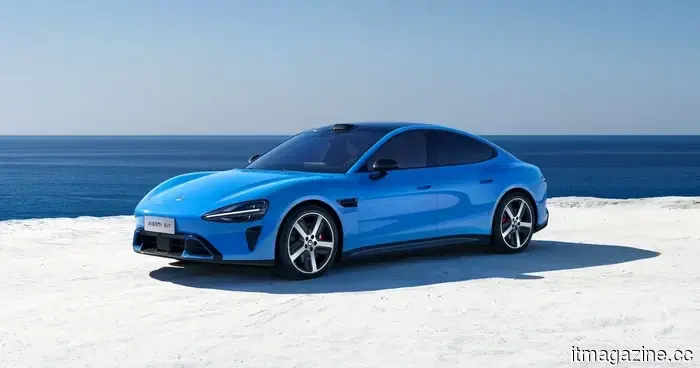 American car buyers desire what is currently out of their reach: Chinese electric vehicles.
Increasing electric vehicle prices in the US are leading buyers to consider Chinese options, despite tariffs and policy obstacles that make them difficult to access.
American car buyers desire what is currently out of their reach: Chinese electric vehicles.
Increasing electric vehicle prices in the US are leading buyers to consider Chinese options, despite tariffs and policy obstacles that make them difficult to access.
 Studies show that AI-generated summaries enhance learning, though they may also influence your views.
A study conducted by Yale revealed that individuals understood historical content more effectively when it was summarized by AI rather than by humans. However, there was a caveat: the AI-generated material subtly influenced their political views as well.
Studies show that AI-generated summaries enhance learning, though they may also influence your views.
A study conducted by Yale revealed that individuals understood historical content more effectively when it was summarized by AI rather than by humans. However, there was a caveat: the AI-generated material subtly influenced their political views as well.
 Is the Dell XPS 16 suitable for mobile work? Does the Dell XPS offer battery life that lasts all day?
The Dell XPS 16 is designed as a robust, contemporary productivity laptop aimed at professionals, creatives, and users requiring top-notch performance while on the go. Featuring an updated design, new processors, and significant enhancements in display and battery technology, it seeks to address the specific challenge faced by mobile workers: locating a laptop that...
Is the Dell XPS 16 suitable for mobile work? Does the Dell XPS offer battery life that lasts all day?
The Dell XPS 16 is designed as a robust, contemporary productivity laptop aimed at professionals, creatives, and users requiring top-notch performance while on the go. Featuring an updated design, new processors, and significant enhancements in display and battery technology, it seeks to address the specific challenge faced by mobile workers: locating a laptop that...
 Studies indicate that AI-generated summaries enhance learning, even if they have the potential to shift your views.
A study conducted by Yale revealed that individuals understood history more effectively from summaries created by AI compared to those written by humans. However, there was a notable drawback: the content generated by AI subtly altered their political views.
Studies indicate that AI-generated summaries enhance learning, even if they have the potential to shift your views.
A study conducted by Yale revealed that individuals understood history more effectively from summaries created by AI compared to those written by humans. However, there was a notable drawback: the content generated by AI subtly altered their political views.
US car purchasers desire what is currently unavailable to them: Chinese electric vehicles.
Increasing electric vehicle prices in the US are leading buyers to consider Chinese options, despite tariffs and policy obstacles that limit their accessibility.