

The VPN problems on your phone seem to be an unresolved bug in Android 16.
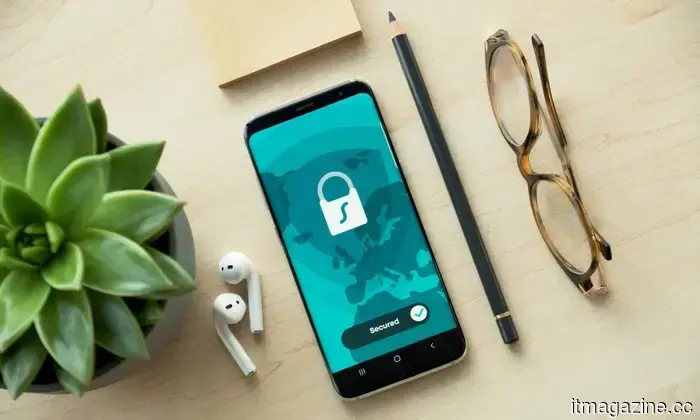
A recently reported problem in Android 16 is raising alarms among security professionals and VPN providers, with indications that a system-level bug could covertly interrupt VPN connections on impacted devices. This issue, which has reportedly persisted for several months, may leave users unaware of their vulnerability while they mistakenly believe their internet traffic remains protected.
A Hidden Failure in Android’s Network System
Various VPN providers have stated that Android 16 has a defect in its network stack, which can lead to VPN connections malfunctioning without alerting the user. This problem seems to arise in specific circumstances, particularly when a VPN app is updated through the Google Play Store while it is still in use.
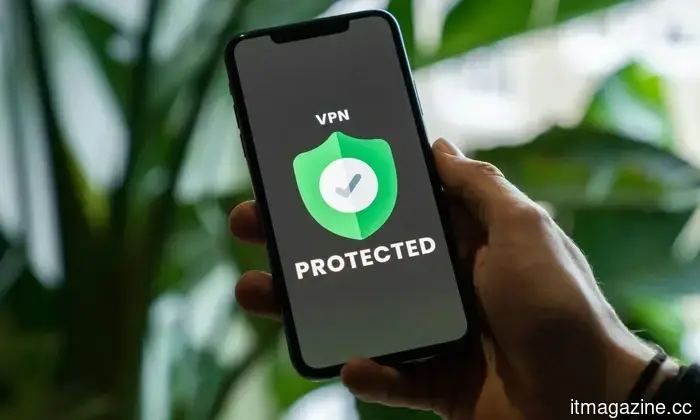
In such cases, the VPN may still appear to be connected, yet it could fail to securely route traffic in the background. This creates a risky situation where users think their data is encrypted when it may not be. The bug has been reported to affect multiple well-known VPN services, such as Proton VPN, Mullvad, WireGuard, and TunnelBear, indicating that it is not restricted to just one app or provider.
Why This Issue is Concerning
VPNs are commonly used to safeguard privacy, secure data on public Wi-Fi networks, and circumvent regional restrictions. A silent failure undermines these crucial benefits. If a VPN ceases to function unexpectedly, sensitive information such as browsing history, login details, or location data could be exposed to internet service providers or malicious entities.
The fact that this issue impacts numerous VPN providers suggests a more profound systemic problem within Android itself, rather than stemming from individual third-party apps. It has been reported that the bug has been recognized since at least late 2025, yet it remains unresolved, raising concerns about how such a significant flaw has persisted for so long.
Implications for Everyday Users
For the majority of users, the primary concern is the lack of awareness. Unlike standard connectivity issues where a VPN visibly disconnects, this bug can leave the app appearing operational even when it is not functioning correctly.
This situation means that users relying on VPNs for security—such as for banking apps, sending confidential emails, or browsing public networks—could be unwittingly exposed. The risk is particularly elevated for those who depend on always-on VPN configurations, assuming their protection is continuous.
Next Steps
Google has acknowledged the issue but has not yet provided a confirmed solution or a timeline for addressing it. This situation leaves users and VPN providers in a state of uncertainty, awaiting an official update.
In the interim, VPN companies may develop workarounds or alert users; however, a permanent resolution will likely necessitate modifications at the operating system level. Until then, users might need to manually verify their VPN connections or refrain from updating VPN apps while connected.
As Android 16 continues to be deployed, this issue underscores the need for thorough system-level security testing—particularly for features that are critical for protecting encrypted internet traffic.
Other articles
 Hydrogen fuel vehicles never gained widespread popularity, but they could potentially lead to the development of next-generation long-range drones.
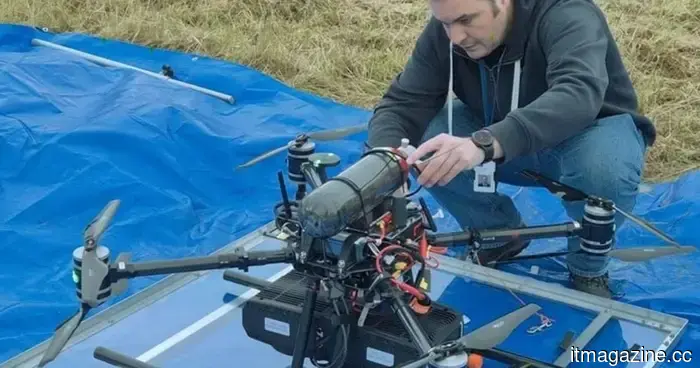
Hydrogen has not been effective for use in cars, but scientists in Norway have developed a drone powered by hydrogen, replacing batteries with a fuel cell to support long-distance tasks such as inspecting power lines.
Hydrogen fuel vehicles never gained widespread popularity, but they could potentially lead to the development of next-generation long-range drones.
Hydrogen has not been effective for use in cars, but scientists in Norway have developed a drone powered by hydrogen, replacing batteries with a fuel cell to support long-distance tasks such as inspecting power lines.
 Nothing's CEO, Carl Pei, states that AI agents will soon take the place of your applications.
Nothing's CEO, Carl Pei, believes that apps are on the verge of becoming obsolete. He predicts that AI agents will soon understand your intentions and take action on them without the need for tapping, swiping, or switching between apps.
Nothing's CEO, Carl Pei, states that AI agents will soon take the place of your applications.
Nothing's CEO, Carl Pei, believes that apps are on the verge of becoming obsolete. He predicts that AI agents will soon understand your intentions and take action on them without the need for tapping, swiping, or switching between apps.
 Apple discreetly addresses Family Sharing’s most significant issue a decade after it was introduced.
Apple has recently resolved a billing issue related to Family Sharing that has existed since the feature was introduced in 2014.
Apple discreetly addresses Family Sharing’s most significant issue a decade after it was introduced.
Apple has recently resolved a billing issue related to Family Sharing that has existed since the feature was introduced in 2014.
 Hydrogen fuel vehicles failed to gain popularity, but they could potentially power the next generation of long-range drones.
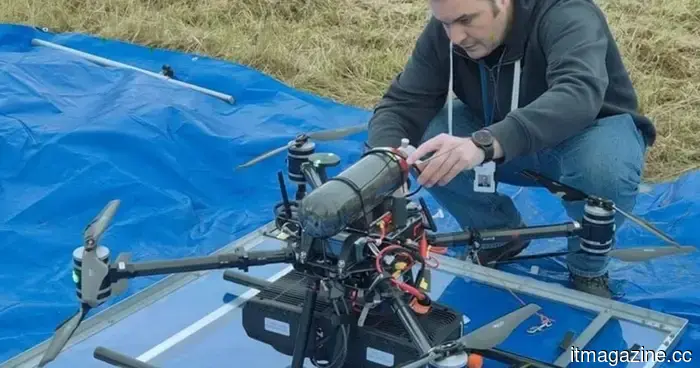
Hydrogen has not been successful in powering cars, but scientists in Norway have developed a drone that operates on hydrogen, replacing batteries with a fuel cell to manage long-distance tasks such as inspecting power lines.
Hydrogen fuel vehicles failed to gain popularity, but they could potentially power the next generation of long-range drones.
Hydrogen has not been successful in powering cars, but scientists in Norway have developed a drone that operates on hydrogen, replacing batteries with a fuel cell to manage long-distance tasks such as inspecting power lines.
 Apple discreetly addresses the major flaw in Family Sharing a decade after its introduction.
Apple has addressed a billing issue with Family Sharing that has existed since the feature was introduced in 2014.
Apple discreetly addresses the major flaw in Family Sharing a decade after its introduction.
Apple has addressed a billing issue with Family Sharing that has existed since the feature was introduced in 2014.
 According to CEO Carl Pei, AI agents are set to take the place of your applications in the near future.
Nothing's CEO Carl Pei believes that apps are on the verge of disappearing. AI agents will soon be able to understand your intentions and respond accordingly, eliminating the need for tapping, swiping, or switching between apps.
According to CEO Carl Pei, AI agents are set to take the place of your applications in the near future.
Nothing's CEO Carl Pei believes that apps are on the verge of disappearing. AI agents will soon be able to understand your intentions and respond accordingly, eliminating the need for tapping, swiping, or switching between apps.
The VPN problems on your phone seem to be an unresolved bug in Android 16.
Android 16 users might want to review their privacy settings.