
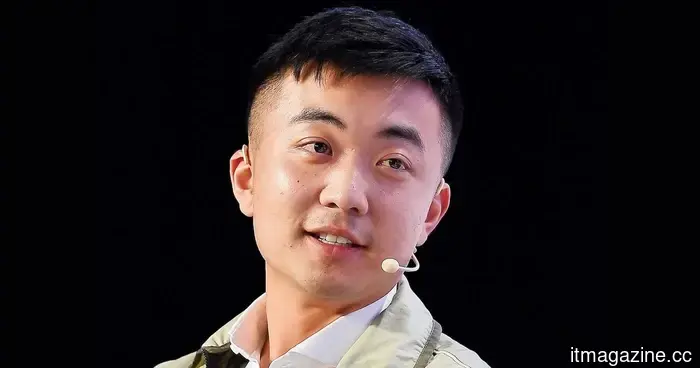
According to CEO Carl Pei, AI agents are set to take the place of your applications in the near future.
Carl Pei believes your smartphone is lagging behind, and AI can provide the solution.
Nothing CEO Carl Pei asserts that today's smartphones are hardly different from the Palm Pilots and PDAs we utilized two decades ago. The experience remains unchanged with lock screens, home screens, app stores, and full-screen applications.
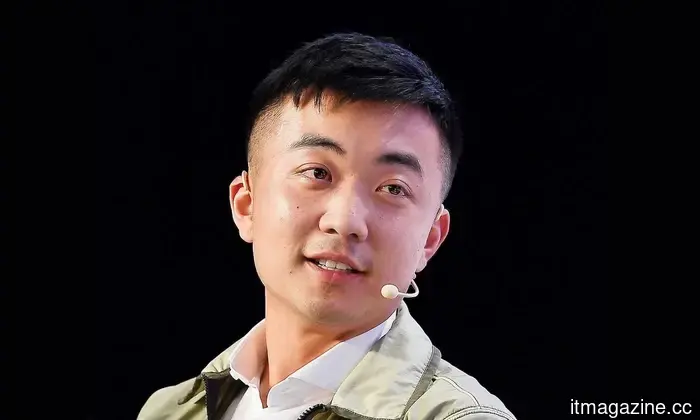
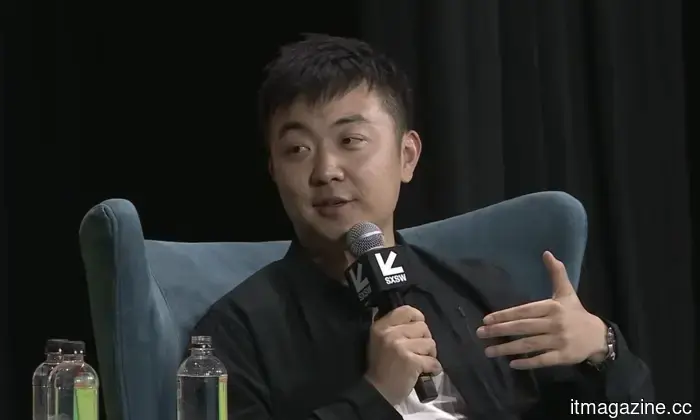
Pei points out that the industry has seen little evolution over the past 20 years, and he is convinced that AI holds the key to advancement. Speaking at SXSW, Pei made a striking prediction that apps would eventually become obsolete. While not imminent, he warns that the trend is evident and founders need to take note.
Will your apps become outdated in the future?
Pei's argument begins with a straightforward illustration. For instance, if you want to meet a friend for coffee, the task entails using a messaging app, Maps, Uber, and your calendar. That's four applications and several steps just to get one cup of coffee. “It’s very hard to get things done on a phone,” he remarked at SXSW.
His vision for the future is a device that bypasses these complexities. He describes the ideal smartphone with, “I know you very well, and if I know your intention, I just do it for you.”
So, what does Carl Pei perceive as the future?
Pei outlines the evolution of AI in stages. The first stage involves AI executing tasks on your behalf, such as booking a flight or a hotel, much like what Google and Samsung are attempting with their smartphones through Gemini integration. He dubbed this stage “super boring."
The next stage becomes more captivating. This is where AI understands your long-term aspirations and guides you toward them over time, resembling a proactive life assistant instead of simply reacting to requests. The most advanced stage is when the system proposes ideas you may not have even considered. “When the system knows us so well, it will come up with things that we didn’t even know we wanted,” Pei elaborated.
For this vision to materialize, the interface also needs to evolve. Pei is adamant that AI agents shouldn’t be navigating through menus like robots mimicking humans. “You need to create an interface for the agent to use,” he stated.
He anticipates that voice will become the primary method of input, while the screen will continue to serve as the main output. “The interface that I truly believe in is voice-in, because speaking is the easiest way to provide input. And not audio out; it’s still a screen out. I think that’s the most efficient user interface.”
I resonate with many of Carl Pei’s ideas, but I remain convinced that a genuinely helpful AI assistant is still several years away. Companies like Rabbit, Humane, and even Apple have struggled to develop an effective AI assistant. Hopefully, an innovative company like Nothing can find the solution.
Rachit is an experienced tech journalist with more than seven years of expertise covering the consumer technology sector.
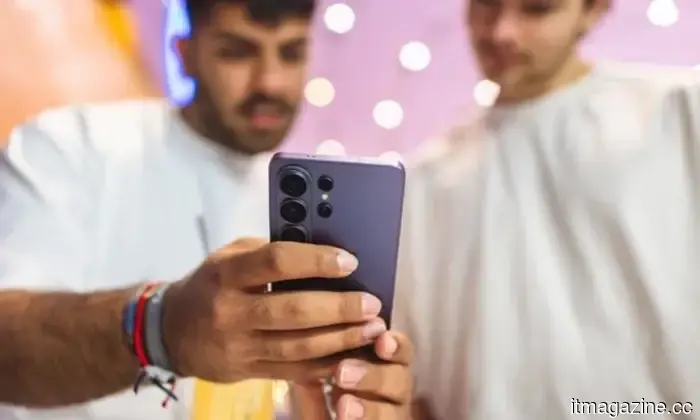
The Galaxy S26 Ultra’s 25W wireless charging may not perform as advertised.
Samsung's latest flagship has introduced a series of updates regarding the battery and charging systems. The battery size has slightly increased, along with improvements in wired and wireless charging speeds. After years of feedback from users, the Galaxy S26 Ultra finally upgrades its wireless charging capability to 25W. This marks a significant increase from the previous 15W standard across its premium lineup. However, it seems achieving those speeds may prove to be more challenging than anticipated.
New Android 16 bug disrupts VPN protection silently.
A newly identified issue in Android 16 is raising alarms among security experts and VPN providers, as evidence indicates that a system-level bug could silently compromise VPN connections on affected devices. This issue, which has reportedly lasted for months, may leave users inadvertently unprotected while they believe their internet traffic remains safeguarded.
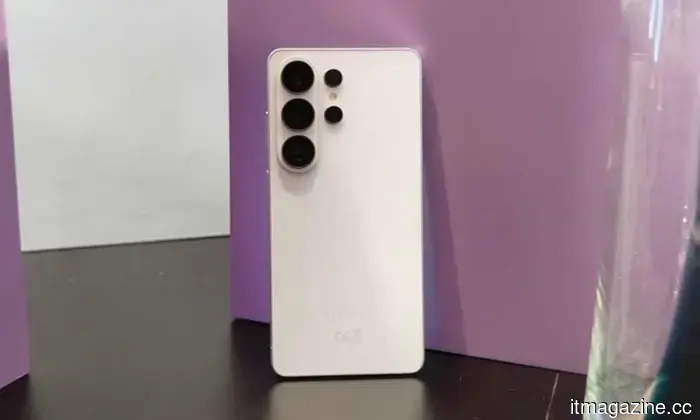
Samsung offers a rental option for the Galaxy S26 Ultra at half the retail price for a year.
Samsung has devised a new strategy to attract more customers to the Galaxy S26 series within one of its key markets. In a press release issued earlier today, the company unveiled a fresh “Galaxy Forever” program in India. While the name may be a bit misleading, it essentially serves as an ownership or periodic upgrade program, allowing buyers to acquire the Galaxy S26 Ultra (starting at $1502) or the Galaxy S26 Plus (starting at $1,288) by paying 50% of the device’s cost upfront, divided into 12 interest-free monthly payments. The standard Galaxy S26 does not qualify for this program.

Other articles
 AI is bringing Val Kilmer back to life in the new film “As Deep as the Grave.”
As Deep as the Grave employs AI to bring Val Kilmer back into a role that was originally created for him, with his family's support for the choice, even amidst ongoing discussions about technology in the film industry.
AI is bringing Val Kilmer back to life in the new film “As Deep as the Grave.”
As Deep as the Grave employs AI to bring Val Kilmer back into a role that was originally created for him, with his family's support for the choice, even amidst ongoing discussions about technology in the film industry.
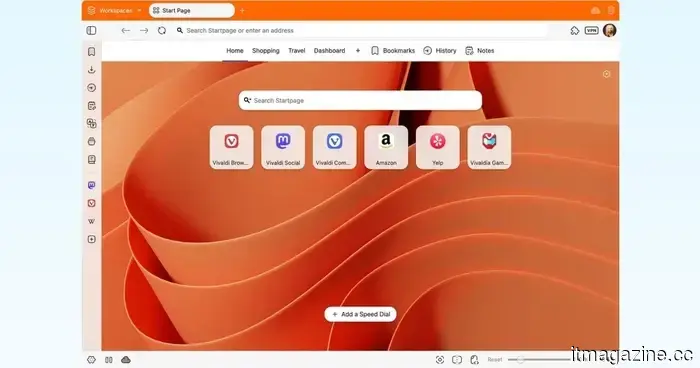 The Vivaldi browser introduces a customizable immersive mode that I wish Safari or Chrome would provide.
Vivaldi 7.9 introduces a more adaptable full-screen mode and improved tab tiling. It surpasses Chrome and Safari, particularly if you're looking for greater control over your browsing experience.
The Vivaldi browser introduces a customizable immersive mode that I wish Safari or Chrome would provide.
Vivaldi 7.9 introduces a more adaptable full-screen mode and improved tab tiling. It surpasses Chrome and Safari, particularly if you're looking for greater control over your browsing experience.
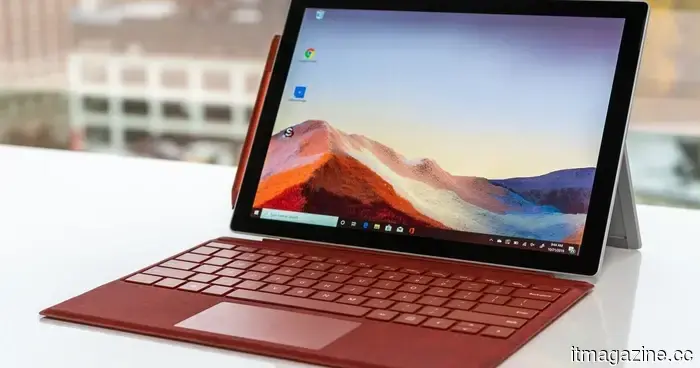 The latest Microsoft PowerToys update introduces three significant enhancements for your Windows PC.
The newest update of Microsoft's PowerToys offers Windows power users three significant enhancements for their workflows, including a revamped keyboard remapping feature and a command launcher that remains visible and can be pinned to any edge of the screen.
The latest Microsoft PowerToys update introduces three significant enhancements for your Windows PC.
The newest update of Microsoft's PowerToys offers Windows power users three significant enhancements for their workflows, including a revamped keyboard remapping feature and a command launcher that remains visible and can be pinned to any edge of the screen.
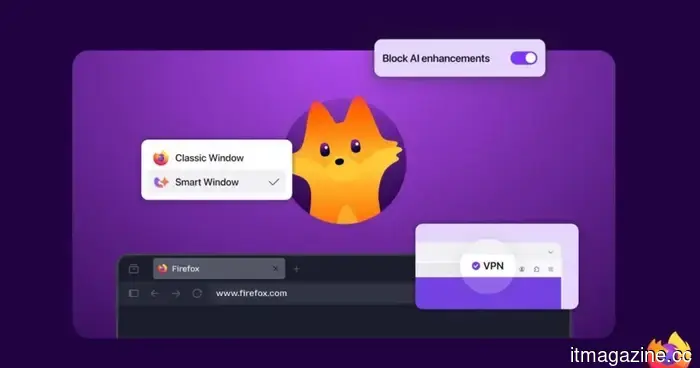 Firefox is offering a free VPN, and here's why it's important.
Firefox is introducing a built-in free VPN that offers 50GB of monthly data, with the goal of addressing trust concerns associated with free privacy tools while ensuring protection within the browser.
Firefox is offering a free VPN, and here's why it's important.
Firefox is introducing a built-in free VPN that offers 50GB of monthly data, with the goal of addressing trust concerns associated with free privacy tools while ensuring protection within the browser.
 Apple discreetly addresses Family Sharing’s most significant issue a decade after it was introduced.
Apple has recently resolved a billing issue related to Family Sharing that has existed since the feature was introduced in 2014.
Apple discreetly addresses Family Sharing’s most significant issue a decade after it was introduced.
Apple has recently resolved a billing issue related to Family Sharing that has existed since the feature was introduced in 2014.
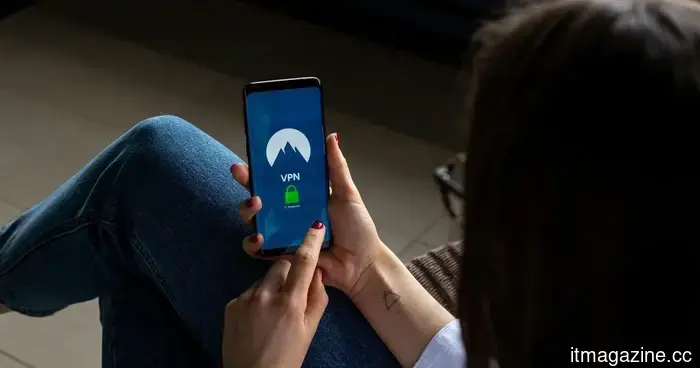 The VPN problems on your phone seem to be an unresolved bug in Android 16.
Android 16 users might want to review their privacy settings.
The VPN problems on your phone seem to be an unresolved bug in Android 16.
Android 16 users might want to review their privacy settings.
According to CEO Carl Pei, AI agents are set to take the place of your applications in the near future.
Nothing's CEO Carl Pei believes that apps are on the verge of disappearing. AI agents will soon be able to understand your intentions and respond accordingly, eliminating the need for tapping, swiping, or switching between apps.