
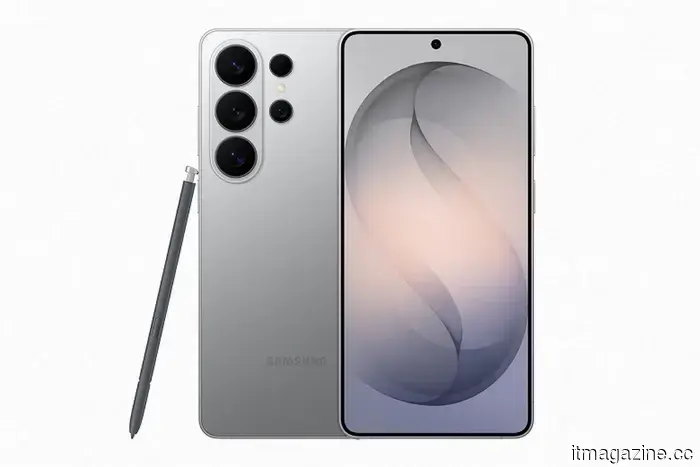
Samsung, it seems you have problems!
The official presentation of the Galaxy S26 took place on February 25. Beautiful, "polished," with a demonstration of smart features and promises of a bright future. However, the future for Samsung arrived a bit earlier, and it turned out to be far from bright and rosy.
Just a couple of days before the new product was "released to the public," the brand new S26 Ultra was already circulating among people. This is not about some underground fakes or stolen prototypes, but about full-fledged commercial units that were supposed to be kept under lock and key until the presentation.
The reason for such an unpleasant mix-up lies in an old but no less destructive internal corporate conflict. The Samsung MX division, which makes phones, and the Samsung DS division, which makes the brains and memory for these phones, apparently have completely stopped understanding each other. DS, aimed at selling its chips to everyone (Apple, for example, is also a good customer), decided to flex its muscles and refused to sign a long-term contract with its own MX for the supply of the latest LPDDR5X memory. They claimed the conditions were not right, and the prices were not market-based.
It is quite understandable that the smartphone manufacturing division decided to behave not as a compliant relative but as an offended partner.
According to some reports, a good half of the first batches of Galaxy S26 went to distributors with RAM from Samsung's direct competitor - the American company Micron.
Can you imagine the level of absurdity?
Samsung's flagship, packed with its own cutting-edge technologies, in half of the cases contains chips from a rival company simply because two departments of the same corporation could not agree on a price!
But, as they say, trouble does not come alone. Deciding to save after this unplanned purchase from Micron, the MX division went after the distributors and cut their margins, trying to shift its financial problems "from the sick head to the healthy one." Soon after implementing such well-thought-out financial innovations, the most interesting part began. The distributors unanimously decided that this could not go on and responded to the manufacturer with a "completely accidental" mistake.
Batches of goods that were waiting for their moment in warehouses suddenly began to "completely accidentally" leak into sales even before the embargo was lifted.
For example, a blogger in Dubai held his own online presentation of the new product several days before the premiere, and in online stores in Bangladesh, anyone could purchase the new smartphone. Most likely, what happened was not a simple leak; the distributors made it clear to Samsung that without their loyalty, the entire loud presentation could turn into a circus.
Interestingly, it seems that within Samsung, they were aware that the atmosphere was tense. Bloggers who received early samples found that some key features, like the much-talked-about Proactive AI, were software-locked. And this lock was magically lifted exactly at the moment when the official event at Galaxy Unpacked began. This means the company was aware of the risks, knew that the phones would be sold ahead of time, and prepared software-level protection to maintain the intrigue.
And here arises the most important question: if the top management is well aware of the war between their own divisions, that they are ready to undermine each other before competitors, and that the distributors are so offended that they are willing to leak the main product of the year, then why has this "snake pit" not been shut down yet?
Why does a multibillion-dollar corporation with an iron reputation allow itself to release a flagship in an atmosphere of total distrust? In this case, Samsung can no longer be considered an empire but rather some undefined entity consisting of fragmented feudal principalities, each of which is used to living by its own rules and defending its interests. And no emperor, apparently, can (or wants to) make them play the same game. As a result, the most sacred thing suffers - the product and its release to the public.
The Galaxy S26, it seems, turned out to be a decent phone. With improved cooling, a clever anti-spy screen, and powerful hardware. But the story of its birth resembles a crime comedy more than a triumphant march of a technological giant.
And while Samsung continues to sort out its internal relations, such "coincidences" with leaks, lockouts, and foreign chips inside will become not an exception but a sad tradition.
Other articles
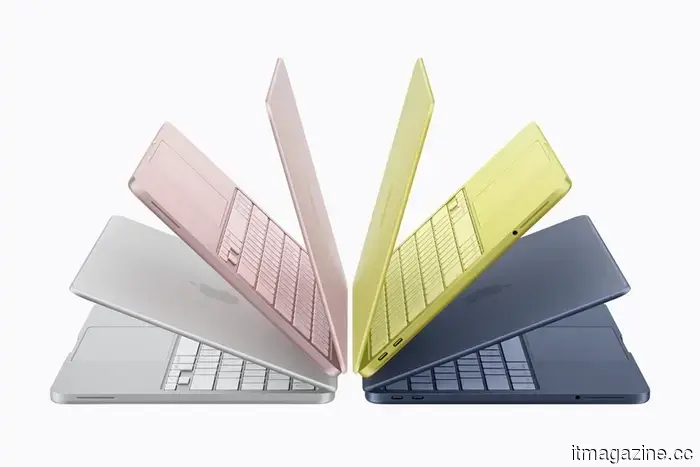 Apple's promises and the new MacBook Neo
The head of Apple promised fans a "big week" of announcements and kept his word. The company introduced updates across almost all key product lines, from iPhones to professional monitors.
iPhone Fold. What is known about the specifications, release dates, and price
Apple still does not publicly confirm work on a foldable iPhone. However, discussions about the device have noticeably intensified in specialized media.
Apple's promises and the new MacBook Neo
The head of Apple promised fans a "big week" of announcements and kept his word. The company introduced updates across almost all key product lines, from iPhones to professional monitors.
iPhone Fold. What is known about the specifications, release dates, and price
Apple still does not publicly confirm work on a foldable iPhone. However, discussions about the device have noticeably intensified in specialized media.
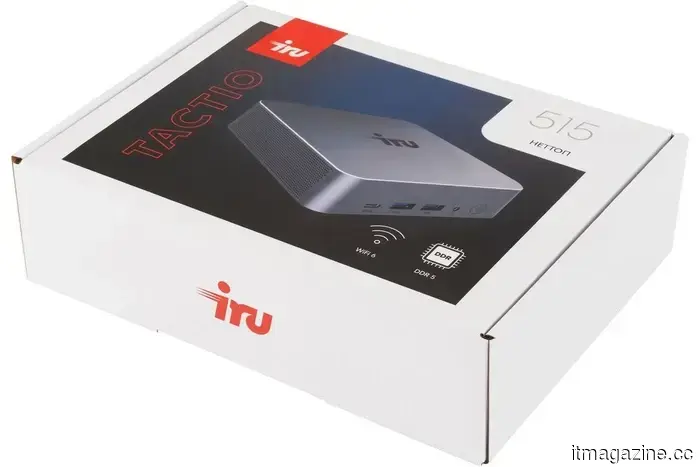 iRU hides Tactio 515 behind the screen
The Russian company iRU has solved the problem of a constantly cluttered desk by releasing a device that is practically invisible on the office table. More precisely, it attaches to the back of the monitor. The Tactio 515 is a nettop for those who value every centimeter of their workspace.
iRU hides Tactio 515 behind the screen
The Russian company iRU has solved the problem of a constantly cluttered desk by releasing a device that is practically invisible on the office table. More precisely, it attaches to the back of the monitor. The Tactio 515 is a nettop for those who value every centimeter of their workspace.
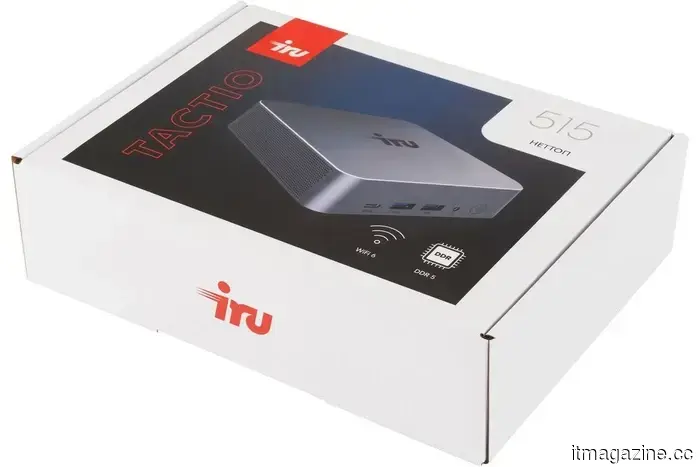 iRU hides Tactio 515 behind the screen
The Russian company iRU has solved the problem of a constantly cluttered desk by releasing a device that is practically invisible on the office table. Rather, it attaches to the back of the monitor. The Tactio 515 is a nettop for those who value every centimeter of their workspace.
iRU hides Tactio 515 behind the screen
The Russian company iRU has solved the problem of a constantly cluttered desk by releasing a device that is practically invisible on the office table. Rather, it attaches to the back of the monitor. The Tactio 515 is a nettop for those who value every centimeter of their workspace.
 "Rikor" has started producing smartphones.
Not long ago, the Nizhny Novgorod company "Rikor," known for its servers and computer equipment for corporate giants, was producing "hardware" for government institutions. And suddenly, completely unexpectedly, it announced its entry into the consumer smartphone market, presenting two models - RIKOR NEURO S3 and RIKOR NEURO S5.
"Rikor" has started producing smartphones.
Not long ago, the Nizhny Novgorod company "Rikor," known for its servers and computer equipment for corporate giants, was producing "hardware" for government institutions. And suddenly, completely unexpectedly, it announced its entry into the consumer smartphone market, presenting two models - RIKOR NEURO S3 and RIKOR NEURO S5.
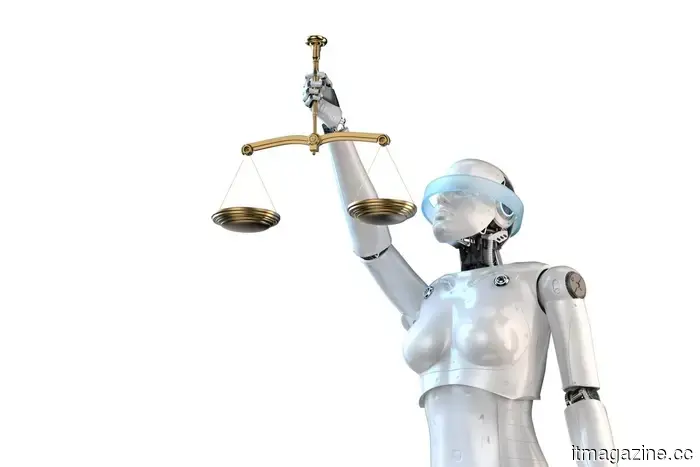 AI has mastered procedural law.
For a long time, it was believed that legal battles were the domain of stone-faced people and piles of paperwork. But technology does not stand still. Our old acquaintance, the Neuro-Lawyer, has undergone another upgrade and has finally reached the understanding that it is not enough to simply know who is right; one must also know how to properly torment the opponent in court.
AI has mastered procedural law.
For a long time, it was believed that legal battles were the domain of stone-faced people and piles of paperwork. But technology does not stand still. Our old acquaintance, the Neuro-Lawyer, has undergone another upgrade and has finally reached the understanding that it is not enough to simply know who is right; one must also know how to properly torment the opponent in court.
Samsung, it seems you have problems!
The official presentation of the Galaxy S26 took place on February 25. Beautiful, "polished," showcasing smart features and promises of a bright future. However, the future for Samsung arrived a bit earlier, and it turned out to be far from bright and rosy.