

Apple's AirPods Max with USB-C have received an unusual $120 price drop.
If you've always found AirPods Max to be a bit pricey, this discount significantly changes the situation. The newly updated AirPods Max (USB-C) are priced at $429.99, which is $120 less than the regular price of $549.99. You will receive Apple’s premier over-ear headphones featuring upgraded USB-C charging, lossless listening support, and all the advantages of the Apple ecosystem that makes them ideal for iPhone, iPad, and Mac users.
What you’ll receive
AirPods Max are designed with custom Apple drivers that produce high-fidelity audio with minimal distortion, even at elevated volumes. They include professional-grade Active Noise Cancellation that effectively eliminates sounds from planes, office noise, and traffic, along with a Transparency mode that allows you to hear your surroundings without removing them.
You'll also experience Personalized Spatial Audio with dynamic head tracking, creating an immersive experience in supported movies and music, particularly when using Apple TV or an iPhone. The battery life extends up to 20 hours of listening with noise cancellation and Spatial Audio active, and a quick 5-minute charge delivers approximately 1.5 hours of playback for those rushed moments.
The major update is the inclusion of USB-C. Charging becomes more straightforward if you're already utilizing a modern MacBook, iPad, or iPhone. Furthermore, with the right configuration, USB-C can facilitate lossless audio for superior listening quality compared to standard Bluetooth streams. The aluminum ear cups, breathable knit canopy, and memory foam cushions enhance the overall premium and comfortable experience for extended use.
Why it’s justified
The primary criticism of AirPods Max has consistently been their price. At the full retail price of $549.99, many consumers tend to opt for Sony or Bose, which are frequently available at lower prices. However, at $429.99, the value proposition shifts significantly. While you’re still spending a premium amount, you receive exceptional build quality, outstanding noise cancellation, great sound, and effortless pairing and device switching that are unique to Apple’s ecosystem.
If you are already immersed in the Apple environment with iPhone, iPad, and Mac, these headphones feel almost “set and forget.” Just put them on, press play, and they automatically connect to whichever device you’re using, whether that’s a Mac on your desk or a phone on the couch. Reviews highlight that although the MSRP seems steep, the discounted price finally aligns with the quality you receive, making this deal much easier to justify.
In conclusion
If you’ve considered getting AirPods Max but hesitated at the full price, this $429.99 deal is precisely the opportunity you’ve been looking for. You’re acquiring Apple’s finest over-ear experience, upgraded with USB-C and lossless audio support, for a substantial $120 off. For Apple enthusiasts who value sound, comfort, and seamless integration, this is the perfect time to think about adding them to your collection.
Other articles
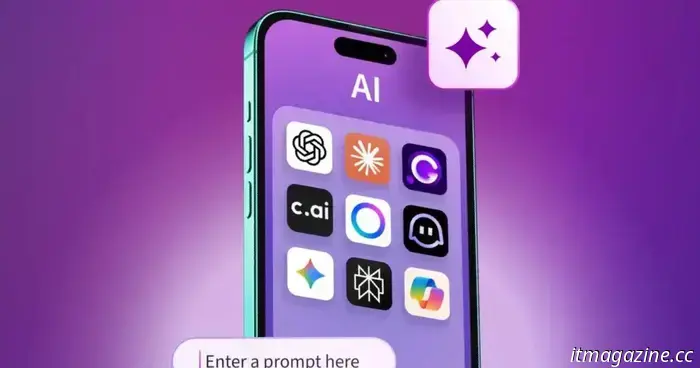 Individuals are dedicating more time to Gemini than to ChatGPT.
Recent data indicates that Gemini is retaining users for a longer duration compared to ChatGPT, with an average of 11 minutes spent daily in the app. In contrast, ChatGPT's growth in time spent has been sluggish, and user engagement has decreased by 10% since earlier this year.
Individuals are dedicating more time to Gemini than to ChatGPT.
Recent data indicates that Gemini is retaining users for a longer duration compared to ChatGPT, with an average of 11 minutes spent daily in the app. In contrast, ChatGPT's growth in time spent has been sluggish, and user engagement has decreased by 10% since earlier this year.
 The Logitech G502 X Lightspeed is currently $50 less than its regular price and remains one of the top options available.
If your existing mouse is beginning to limit your performance in shooters or extended MMO sessions, this is a great opportunity for an upgrade. The Logitech G502 X Lightspeed wireless gaming mouse is currently priced at $109.99, a discount of $50 from its usual price of $159.99. You will be getting one of Logitech's top-tier FPS mice, featuring a lighter design and enhanced […]
The Logitech G502 X Lightspeed is currently $50 less than its regular price and remains one of the top options available.
If your existing mouse is beginning to limit your performance in shooters or extended MMO sessions, this is a great opportunity for an upgrade. The Logitech G502 X Lightspeed wireless gaming mouse is currently priced at $109.99, a discount of $50 from its usual price of $159.99. You will be getting one of Logitech's top-tier FPS mice, featuring a lighter design and enhanced […]
 Witness SpaceX establish a new record with its reliable Falcon 9 rocket.
A SpaceX Falcon 9 has achieved a record of 32 launches and landings following a successful mission on Monday night. The Falcon 9 first-stage booster, designated B1067, took off at 5:26 p.m. ET from Launch Complex 39A (LC-39A) at NASA’s Kennedy Space Center in Florida. Shortly after, it deployed 29 Starlink internet […]
Witness SpaceX establish a new record with its reliable Falcon 9 rocket.
A SpaceX Falcon 9 has achieved a record of 32 launches and landings following a successful mission on Monday night. The Falcon 9 first-stage booster, designated B1067, took off at 5:26 p.m. ET from Launch Complex 39A (LC-39A) at NASA’s Kennedy Space Center in Florida. Shortly after, it deployed 29 Starlink internet […]
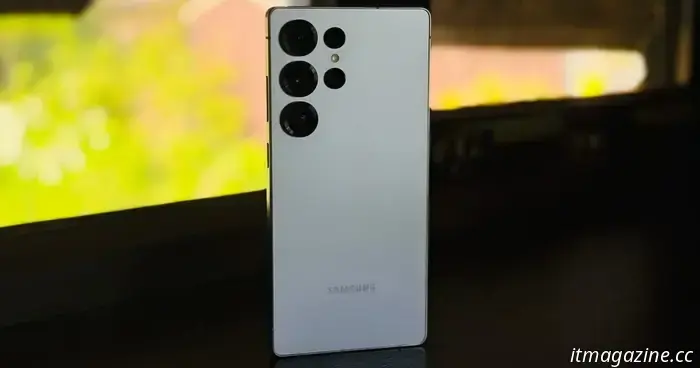 You can now experience One UI 8.5 on your Galaxy S25.
Samsung has launched the One UI 8.5 beta program for the Galaxy S25 series, allowing users to try out the update before its official release.
You can now experience One UI 8.5 on your Galaxy S25.
Samsung has launched the One UI 8.5 beta program for the Galaxy S25 series, allowing users to try out the update before its official release.
 This innovative wearable aims to enhance your concentration and may also assist individuals with ADHD.
A new wearable device from Stanford amplifies real-world sounds to enhance focus and mindfulness. Preliminary research indicates improved attention and possible advantages for managing ADHD and anxiety.
This innovative wearable aims to enhance your concentration and may also assist individuals with ADHD.
A new wearable device from Stanford amplifies real-world sounds to enhance focus and mindfulness. Preliminary research indicates improved attention and possible advantages for managing ADHD and anxiety.
 Tesla is introducing a new notification to prevent you from forgetting your phone.
Tesla has announced that its forthcoming 2025 Holiday Update will include a new feature designed to notify drivers if they forget their phone in the vehicle.
Tesla is introducing a new notification to prevent you from forgetting your phone.
Tesla has announced that its forthcoming 2025 Holiday Update will include a new feature designed to notify drivers if they forget their phone in the vehicle.
Apple's AirPods Max with USB-C have received an unusual $120 price drop.
If AirPods Max have seemed a bit pricey, this discount might alter your perspective. The refreshed AirPods Max (USB-C) are now priced at $429.99, which is $120 less than the regular $549.99 price. You'll receive Apple's premier over-ear headphones featuring enhanced USB-C charging, support for lossless audio, and all the ecosystem benefits...