
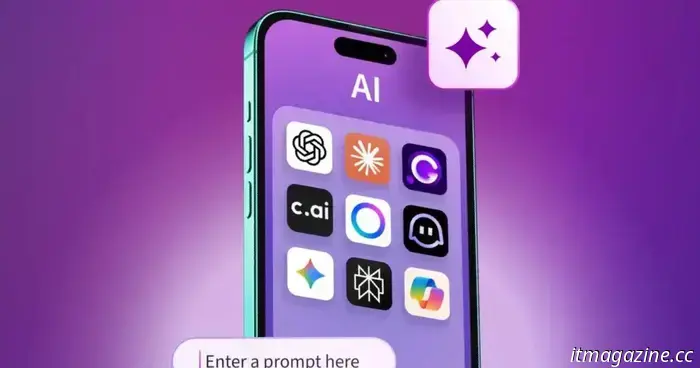
Individuals are dedicating more time to Gemini than to ChatGPT.
ChatGPT continues to lead in user numbers, but Gemini users are engaging for longer durations.
Recent data reveals a shift in the AI chatbot landscape. ChatGPT, which experienced rapid growth in the past, appears to be reaching a plateau, while Google's Gemini is gaining traction. According to Sensor Tower, Gemini's user base increased by 30% from August to November, while ChatGPT's growth during the same period was a mere 6%, indicating a slowdown.
ChatGPT still commands a significant lead with approximately 810 million monthly active users and maintains a 55% market share, although it has experienced a decrease of 3 percentage points, in contrast to Gemini, which has gained the same amount.
This shift is noteworthy because Gemini is not merely benefiting from temporary excitement. One major factor in its increase is a viral tool named Nano Banana, a visual model that has drawn attention for its rapid image generation. While some may consider it gimmicky, the numbers suggest its effectiveness. Recent comparisons of Gemini and ChatGPT also illustrate the evolving AI environment.
Both Gemini and Perplexity demonstrated remarkable year-over-year growth within the AI sector, with increases of 190% and 215%, respectively, putting them in close competition with ChatGPT after a year of experimentation by users who previously favored OpenAI’s offering.
In terms of user engagement, while ChatGPT leads in overall usage, the time spent in the app presents a contrasting narrative. Gemini users now average 11 minutes daily, reflecting a 120% increase since March. In contrast, ChatGPT users' engagement grew only by 6%, and there was a 10% decline in usage from July to November. This indicates that although more people still use ChatGPT, those trying Gemini appear to be more engaged.
Looking ahead, ChatGPT remains the most recognized AI assistant. However, Gemini possesses the vital quality of momentum that competitors desire. If this trend persists, we could see a dramatically different AI landscape by 2026, where established leaders cannot solely rely on their initial success.
In other news, Google has introduced a new feature for Android users, teaching Google Lens to identify scam messages directly on screens. This addition aims to help users easily recognize fraudulent texts amidst a barrage of sophisticated scams.
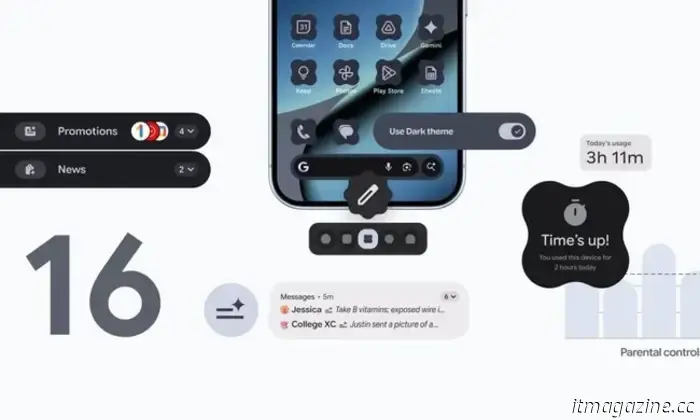
Furthermore, the latest update for Android, QPR2, signifies an evolution in how updates are delivered. With this change, users will receive two substantive updates each year instead of waiting for extensive annual releases. Currently, this update is rolling out to Pixel devices, with others like Samsung and OnePlus expected to follow soon. The update includes AI-driven notification summaries, an organizer for alerts, auto-themed icons matching wallpapers, and an improved dark mode.
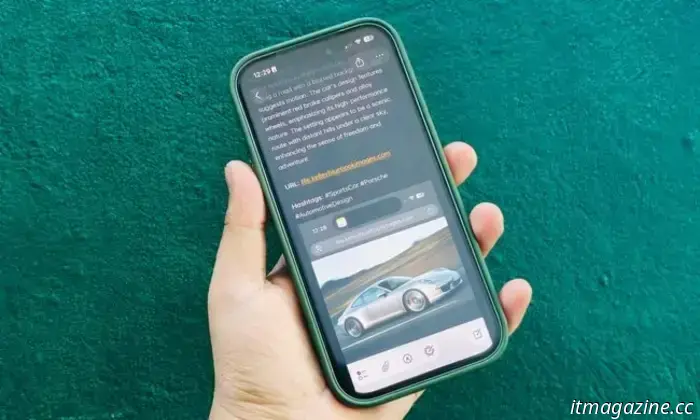
Lastly, a new method is available for iPhone users to turn their Notes app into a ChatGPT-supported memory repository. With a single button press, users can capture a screenshot, summarize the content, generate hashtags for easy searching, and automatically save this information in their preferred app, streamlining the process of saving memories.



Other articles
 Apple has released its list of the best apps and games, and we now have insight into its plans for 2026.
The 2025 App Store Awards by Apple highlight emerging trends in AI, accessibility, immersive video, and premium gaming, offering users a carefully selected collection of apps to download this year.
Apple has released its list of the best apps and games, and we now have insight into its plans for 2026.
The 2025 App Store Awards by Apple highlight emerging trends in AI, accessibility, immersive video, and premium gaming, offering users a carefully selected collection of apps to download this year.
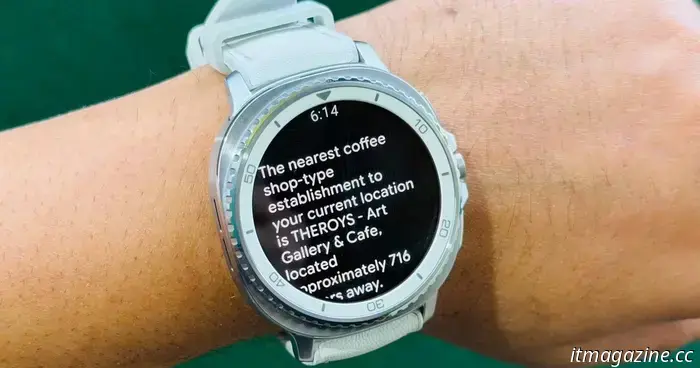 I used the Galaxy Watch 8 Classic during an extended vacation, and I find it superior to the Apple Watch.
I recently completed an extensive journey that involved trekking, sleeping near riverbanks, camping in the foothills of the Himalayas, residing in tribal areas, and keeping my distance from urban environments. It was a much-needed shift in rhythm. Moreover, it was my first prolonged period without my Apple Watch as a wrist companion. [...]
I used the Galaxy Watch 8 Classic during an extended vacation, and I find it superior to the Apple Watch.
I recently completed an extensive journey that involved trekking, sleeping near riverbanks, camping in the foothills of the Himalayas, residing in tribal areas, and keeping my distance from urban environments. It was a much-needed shift in rhythm. Moreover, it was my first prolonged period without my Apple Watch as a wrist companion. [...]
 The upcoming NameDrop alternative for Android has just received a new animation.
The forthcoming NameDrop alternative for Android has received a new animated interface. When two devices come into contact, an elegant animation now shows up, indicating NFC detection. However, the exchange feature is still not operational, implying that it is still in the early stages of development, despite the refined visuals.
The upcoming NameDrop alternative for Android has just received a new animation.
The forthcoming NameDrop alternative for Android has received a new animated interface. When two devices come into contact, an elegant animation now shows up, indicating NFC detection. However, the exchange feature is still not operational, implying that it is still in the early stages of development, despite the refined visuals.
 Tesla is introducing a new notification to prevent you from forgetting your phone.
Tesla has announced that its forthcoming 2025 Holiday Update will include a new feature designed to notify drivers if they forget their phone in the vehicle.
Tesla is introducing a new notification to prevent you from forgetting your phone.
Tesla has announced that its forthcoming 2025 Holiday Update will include a new feature designed to notify drivers if they forget their phone in the vehicle.
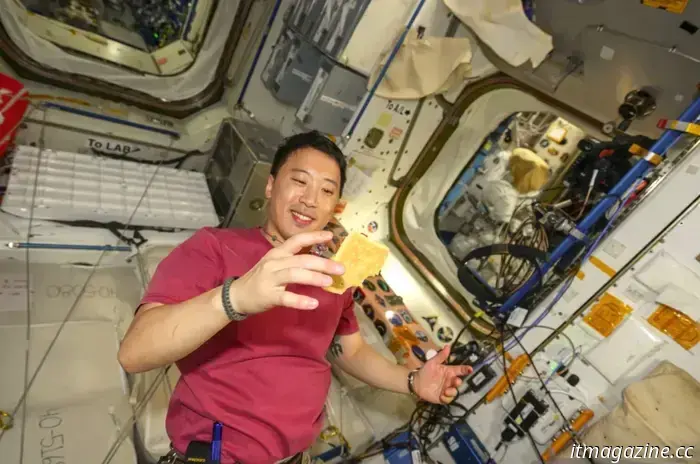 A NASA astronaut is set to experience a 17,500 mph journey back to Earth. Here's how you can watch it.
After an eight-month stay in orbit, NASA astronaut Jonny Kim is preparing to leave the International Space Station (ISS) for his return trip to Earth. He will be making the journey back alongside Roscosmos cosmonauts Sergey Ryzhikov and Alexey Zubritsky on the Soyuz MS-27 spacecraft. The undocking is scheduled for Monday evening Eastern Time, followed by the final descent happening […]
A NASA astronaut is set to experience a 17,500 mph journey back to Earth. Here's how you can watch it.
After an eight-month stay in orbit, NASA astronaut Jonny Kim is preparing to leave the International Space Station (ISS) for his return trip to Earth. He will be making the journey back alongside Roscosmos cosmonauts Sergey Ryzhikov and Alexey Zubritsky on the Soyuz MS-27 spacecraft. The undocking is scheduled for Monday evening Eastern Time, followed by the final descent happening […]
 Blink cameras provide AI-driven notifications that accurately inform you about ongoing events.
Blink is introducing a new feature in beta that utilizes AI to review security camera footage and create natural-language summaries of security incidents.
Blink cameras provide AI-driven notifications that accurately inform you about ongoing events.
Blink is introducing a new feature in beta that utilizes AI to review security camera footage and create natural-language summaries of security incidents.
Individuals are dedicating more time to Gemini than to ChatGPT.
Recent data indicates that Gemini is retaining users for a longer duration compared to ChatGPT, with an average of 11 minutes spent daily in the app. In contrast, ChatGPT's growth in time spent has been sluggish, and user engagement has decreased by 10% since earlier this year.