
Xpeng surpasses Li Auto to emerge as China’s leading EV startup in January.
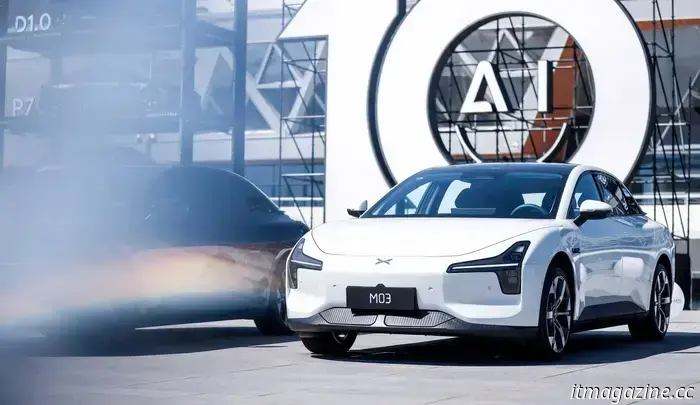
Xpeng Motors introduced the MONA M03 in Beijing on Tuesday, August 27, 2024, with prices ranging from RMB 119,800 to RMB 155,800 ($16,808-$21,859). Credit: Xpeng Motors.
In January, Xpeng Motors became the top-selling electric vehicle startup in China, surpassing long-time leader Li Auto during the typical low season, as demand for its affordable yet smart vehicles continued to rise. This positive monthly performance has significantly increased the confidence of its CEO, He Xiaopeng, who attended a government meeting in Guangzhou on Wednesday and stated that he anticipated Xpeng’s annual deliveries to double this year, as reported by local media outlet 21st Century Business Herald.
Why it matters: These sales figures highlight the latest developments in the fiercely competitive Chinese automotive market, where established companies like BYD and Tesla have been lowering prices and offering discounts to maintain their market share, creating additional pressure on smaller brands amid a decline in overall demand. After being the best-selling EV startup in China for two consecutive years through 2024, Li Auto experienced a substantial sales drop at the beginning of 2025, attributed to demand being front-loaded during year-end promotional activities in December. The company is also considered a follower in the autonomous driving sector, a field led by Tesla and local competitors like Huawei and Xpeng.
Details: Based in Guangzhou, Xpeng reported that its January deliveries soared to 30,350 vehicles, more than tripling from the previous year, with over half being its budget sedan MONA M03. Their figures were also boosted by strong demand for the P7+ sedan, which competes with the Tesla Model 3 in China. Conversely, Li Auto's monthly sales nearly halved from December to 29,927 units in January, while Xpeng saw a month-on-month decline of 17.3%, without providing an explanation. China’s largest EV startup offered customers three-year financing at 0% interest throughout December.
At the same time, BYD's passenger car sales decreased by 42% from December to 296,446 units in January. Other major Chinese EV manufacturers, including NIO, Leapmotor, and Xiaomi, also reported significant month-on-month declines in January of 55.5%, 40.8%, and 20%, respectively.
Context: Typically, January and February are low seasons for automakers in China, coinciding with the Chinese New Year, during which there is a seven-day official holiday. Sales of New Energy Vehicles (NEVs) in China, which encompass all-electric and plug-in hybrids, grew by 26% year-on-year but fell by 39% month-on-month during the period of January 1-19, according to data from the China Passenger Car Association (CPCA).
Li Auto achieved a full-year profit for the first time in 2023, delivering 376,030 vehicles and ranking seventh among the top-selling NEV manufacturers according to the CPCA, trailing established competitors such as BYD, Tesla, and Geely. The company surpassed 500,000 units in annual deliveries last year.
READ MORE: China's EV startups reportedly set ambitious sales targets for 2025.
Jill Shen is a technology reporter based in Shanghai, focusing on Chinese mobility, autonomous vehicles, and electric cars. You can connect with her via email: [email protected] or on Twitter: @jill_shen_sh.
More from Jill Shen.
Other articles
 The Galaxy S25 has already set records, even before its release.
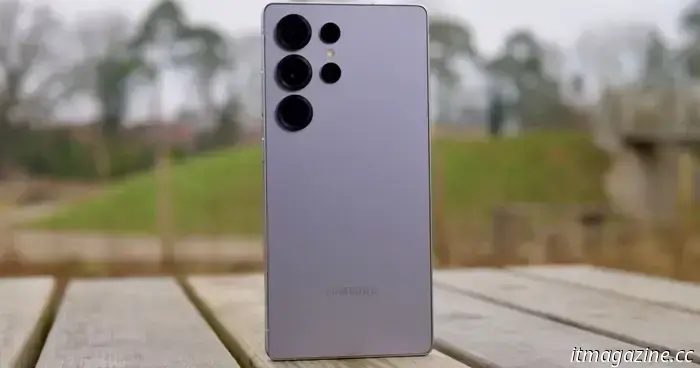
The Samsung Galaxy S25 series has set new pre-order records in South Korea, and the top-selling model is no surprise.
The Galaxy S25 has already set records, even before its release.
The Samsung Galaxy S25 series has set new pre-order records in South Korea, and the top-selling model is no surprise.
 The top 12 screen protectors for the Samsung Galaxy S25
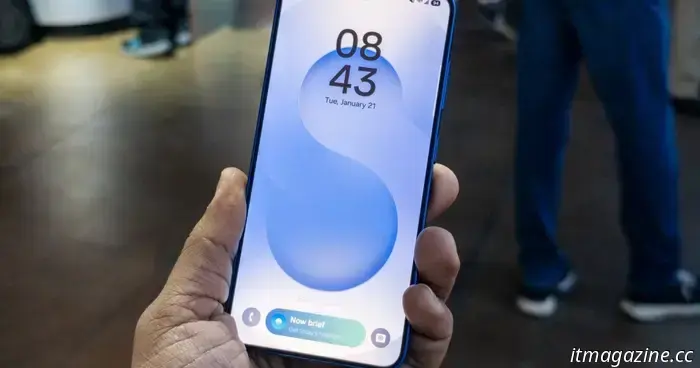
Samsung is set to kick off an undoubtedly thrilling year for smartphones with the introduction of its new Galaxy S25 lineup. Each of the three models is equipped with a customized version of Qualcomm's most advanced chip to date, along with a variety of new Galaxy AI features, and the signature stunning AMOLED displays, making them more appealing than ever.
The top 12 screen protectors for the Samsung Galaxy S25
Samsung is set to kick off an undoubtedly thrilling year for smartphones with the introduction of its new Galaxy S25 lineup. Each of the three models is equipped with a customized version of Qualcomm's most advanced chip to date, along with a variety of new Galaxy AI features, and the signature stunning AMOLED displays, making them more appealing than ever.
 The newly appointed government minister for AI has not yet utilized ChatGPT.
Ireland's minister responsible for AI oversight asserts that she will 'learn quickly' about the groundbreaking technology.
The newly appointed government minister for AI has not yet utilized ChatGPT.
Ireland's minister responsible for AI oversight asserts that she will 'learn quickly' about the groundbreaking technology.
 The NBA is experimenting with a new smart basketball produced in Europe.
The NBA is testing a smart basketball created by SportIQ, a Finnish startup that specializes in developing sensor technologies for sports.
The NBA is experimenting with a new smart basketball produced in Europe.
The NBA is testing a smart basketball created by SportIQ, a Finnish startup that specializes in developing sensor technologies for sports.
 Detection of deepfakes enhances with the use of algorithms that take demographic diversity into account.
Deepfake detection software might disproportionately affect individuals from certain groups. Researchers have made efforts to address this issue.
Detection of deepfakes enhances with the use of algorithms that take demographic diversity into account.
Deepfake detection software might disproportionately affect individuals from certain groups. Researchers have made efforts to address this issue.
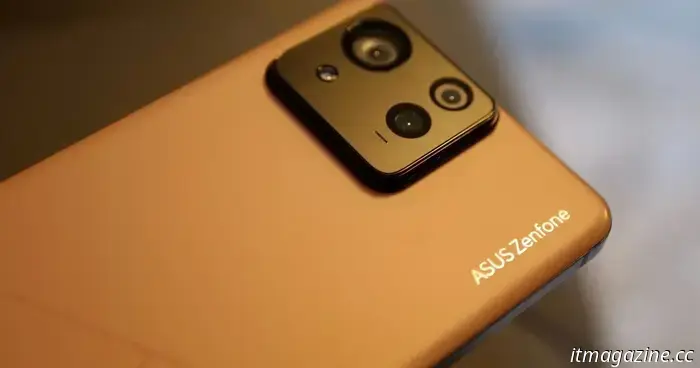 ASUS Zenfone 12 Ultra: All the details we have so far
The Asus Zenfone 12 Ultra is expected to be released soon. Here’s all the information we have about the device at this point.
ASUS Zenfone 12 Ultra: All the details we have so far
The Asus Zenfone 12 Ultra is expected to be released soon. Here’s all the information we have about the device at this point.
Xpeng surpasses Li Auto to emerge as China’s leading EV startup in January.
Xpeng's CEO He Xiaopeng stated on Wednesday that he anticipated the company's yearly deliveries to double this year.