
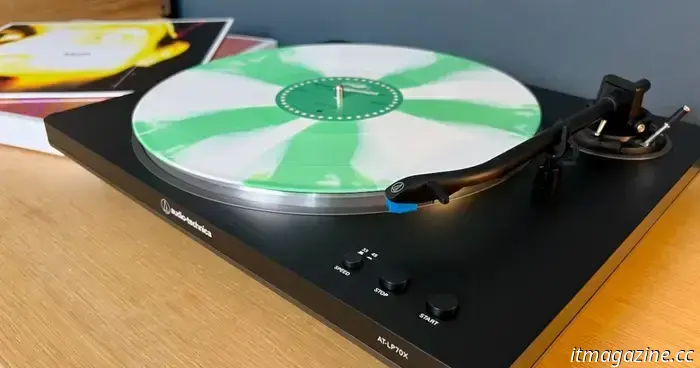
How we evaluate turntables and record players
Testing the latest and greatest turntables can be quite variable compared to many other devices that Digital Trends frequently reviews. Although contemporary turntables are significantly more user-friendly and convenient to use than your father's vintage model, many still feature sensitive moving components that often need assembly and fine-tuning. This aspect can complicate the review process but also adds to the enjoyment. The variety of turntables available has expanded more than ever—some are worth the investment, others aren't, and we aim to ensure you don't spend your hard-earned money on the latter.
From tonearms and headshells to cartridges, plinths, platters, and styluses, here's how we evaluate a turntable.
Inside the Box
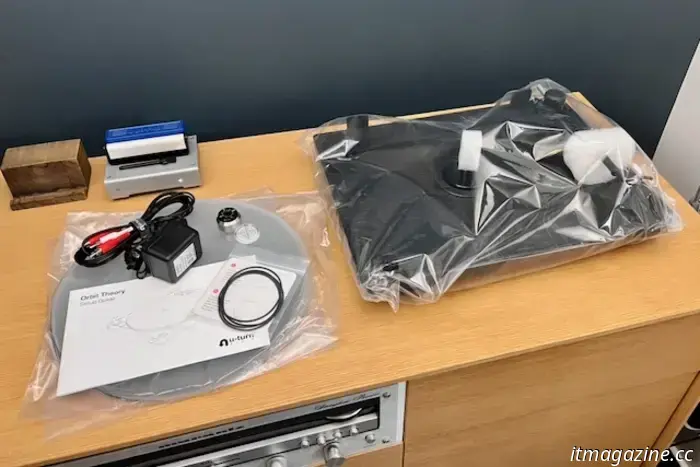
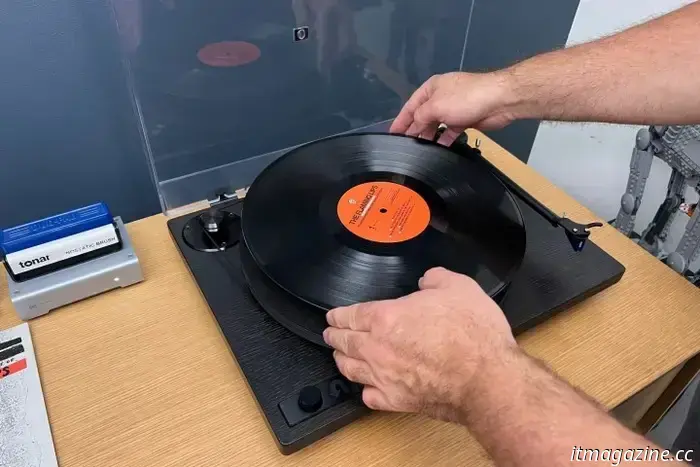
Turntables on the lower end of the market, especially suitcase models, typically come fully assembled and ready to use (with the sound quality to match). Conversely, modern turntables composed of key components such as the plinth (base), platter (spinning surface), dust cover, tonearm, counterweight, headshell, and cartridge often arrive with several parts separately packaged to safeguard them during shipping. During the unboxing process, we check for all components, assess the quality of packaging, and evaluate how easily the parts can be extracted. We also note the inclusion of cables or additional accessories, as well as whether the packing materials are eco-friendly.
Setup
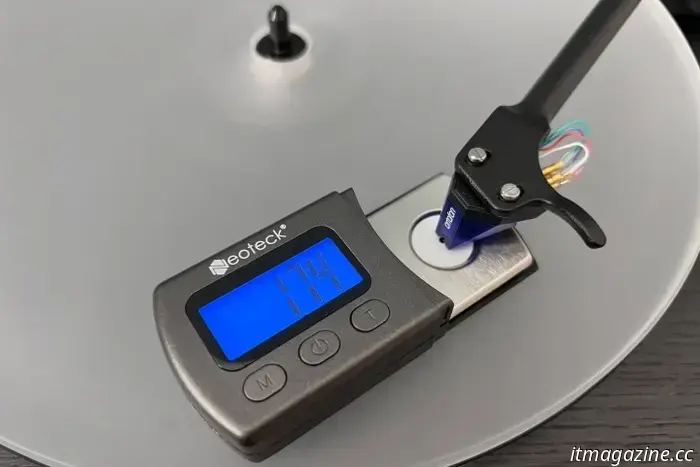
Prior to reviewing a turntable, we approach the setup from two perspectives: for individuals who have never set up a turntable and those who have experience. Our primary focus is whether the turntable comes with a well-designed setup guide, manual, or app that provides easy-to-follow, step-by-step instructions. This is crucial, as setting up a turntable often necessitates the assembly of delicate components, precise belts, and small motor spindles, as well as measuring the correct weight force, which, if mismanaged, could harm the turntable or your records.
We also verify whether the manufacturer has supplied the necessary tools for these tasks, such as a force gauge or alignment tool. Many turntables include parts that are preassembled and set up at the factory, which can simplify matters for newcomers, but we inspect these for quality and accuracy to advise on their reliability.
Design, Build, and Components
In turntables, external appearance is as vital as internal construction, and we assess both aspects. The fundamental aesthetic of turntables has remained relatively unchanged for decades, though the available colors and finishes have evolved significantly, as have the materials used.
One significant challenge for any turntable producer is creating a product that effectively isolates and manages vibrations—both external and internal—that could be transmitted to the amplifier, speakers, and ultimately your ears. The various parts must work cohesively to provide clear and accurate sound, which depends heavily on their design and materials.
Is the base constructed from wood (which type?), MDF, or plastic? Does it have an appealing look? How sturdy and heavy is it, and how well does it absorb resonance? Is the platter made of aluminum or acrylic? Do the feet dampen sound and vibrations? Is the turntable belt-driven or direct drive? What are the distinctions? Is the tonearm manufactured from aluminum, carbon, graphite, magnesium, or another advanced material, and is it comprised of multiple parts or a single molded sound-isolating unit? These are just a few considerations.
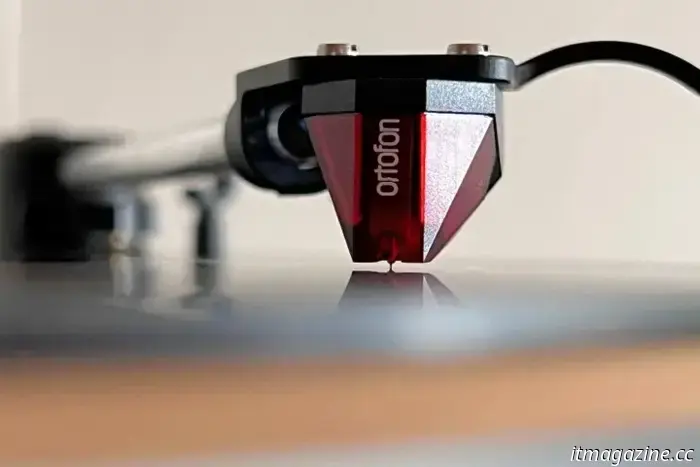
Finally, does the turntable come equipped with a quality cartridge? This component houses the diamond-tipped needle that follows the grooves of the record, converting the music into a signal suitable for amplification through a receiver/amplifier or a set of powered speakers. Cartridges can vary significantly in their capacity to reproduce nuances and details, soundstage, and versatility depending on the music genre or recording quality. Entry-level turntables might feature basic cartridges, but there are many that deliver exceptional sound. Higher-end models usually come with superior cartridges. Importantly, the ability to change or upgrade the cartridge can significantly enhance a turntable's performance, regardless of its price point.
Features
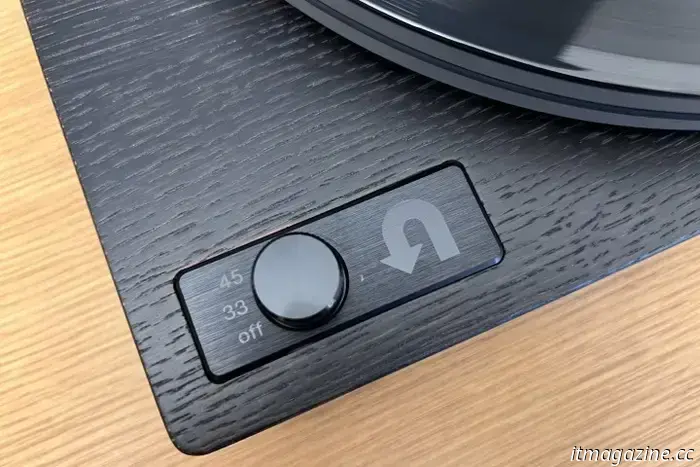
Regarding common turntable features, significant changes over the years have been minimal. We assess every feature for its value and utility—ranging from fully manual operation (which means manual tonearm lifting?) to automated cueing, starting, and stopping, alongside options like speed selection (does it require moving a belt or flipping a switch?), pitch adjustment, and reverse playback (primarily for DJ decks).
In terms of connectivity, advancements have been notable. Many modern turntables include built-in phono preamps (which prepare the signal for amplification), facilitating connections to various devices like powered speakers and receivers/amplifiers with line-in AUX inputs. However, the quality of these phono preamps can vary, so we assess their performance compared to reliable external phono preamps.
The resurgence of vinyl has also incorporated previously vintage technology into a realm of wireless connectivity, giving rise to a new market for turntables and record players compatible with Bluetooth speakers
Other articles
 The European Union has released guidelines on how to avoid breaching the 'prohibited use' section of the AI Act.
The European Commission has provided guidance to businesses on how to ensure their generative models comply with the AI Act's section regarding prohibited uses.
The European Union has released guidelines on how to avoid breaching the 'prohibited use' section of the AI Act.
The European Commission has provided guidance to businesses on how to ensure their generative models comply with the AI Act's section regarding prohibited uses.
 Another Simple Favor: The sequel featuring Anna Kendrick and Blake Lively will kick off SXSW 2025.
Anna Kendrick and Blake Lively are back for additional intrigue in Another Simple Favor, set to debut at SXSW 2025 before becoming available for streaming on Prime Video.
Another Simple Favor: The sequel featuring Anna Kendrick and Blake Lively will kick off SXSW 2025.
Anna Kendrick and Blake Lively are back for additional intrigue in Another Simple Favor, set to debut at SXSW 2025 before becoming available for streaming on Prime Video.
 As the Vision Pro celebrates its first anniversary, there's one crucial step Apple needs to take to improve it.
One year ago, Apple launched its Vision Pro headset in stores. Evaluating its current status, there is one crucial action the company needs to take to get it back on track.
As the Vision Pro celebrates its first anniversary, there's one crucial step Apple needs to take to improve it.
One year ago, Apple launched its Vision Pro headset in stores. Evaluating its current status, there is one crucial action the company needs to take to get it back on track.
 The Mixx Revival 55 suitcase record player is adorable, vibrant, and ideal for beginners.
Mixx Audio from the UK has unveiled the Revival 55 Vinyl Record Player priced at $100, a stylish and budget-friendly suitcase turntable ideal for beginners.
The Mixx Revival 55 suitcase record player is adorable, vibrant, and ideal for beginners.
Mixx Audio from the UK has unveiled the Revival 55 Vinyl Record Player priced at $100, a stylish and budget-friendly suitcase turntable ideal for beginners.
 If you can only watch one Netflix show in February 2025, make sure it's this one.
Our recommendation for the must-watch Netflix show in February is a spinoff from a different sitcom that has also become a significant comedy in its own right.
If you can only watch one Netflix show in February 2025, make sure it's this one.
Our recommendation for the must-watch Netflix show in February is a spinoff from a different sitcom that has also become a significant comedy in its own right.
 Microsoft is tightening control over unsupported installations of Windows 11.
Microsoft has taken down a support document from 2021 that guided users on how to circumvent the hardware requirements for Windows 11.
Microsoft is tightening control over unsupported installations of Windows 11.
Microsoft has taken down a support document from 2021 that guided users on how to circumvent the hardware requirements for Windows 11.
How we evaluate turntables and record players
From unboxing to installation and testing all their functionalities through numerous records, this is how we evaluate and review turntables at Digital Trends.