
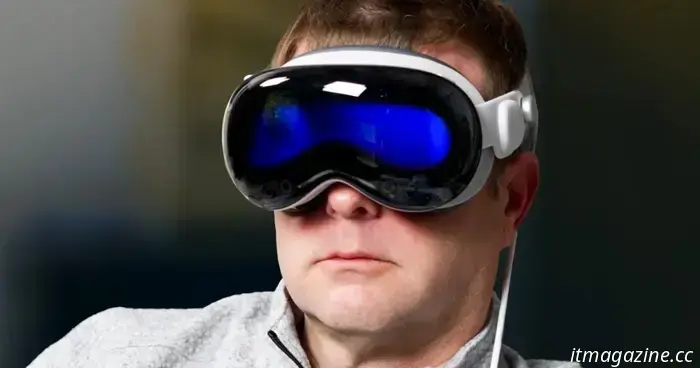
As the Vision Pro celebrates its first anniversary, there's one crucial step Apple needs to take to improve it.
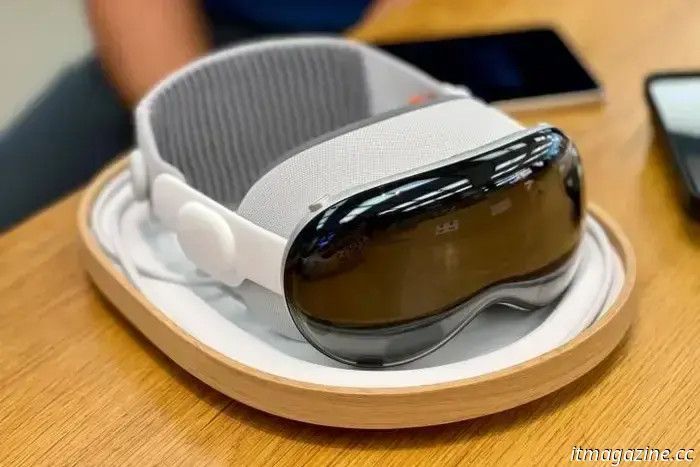
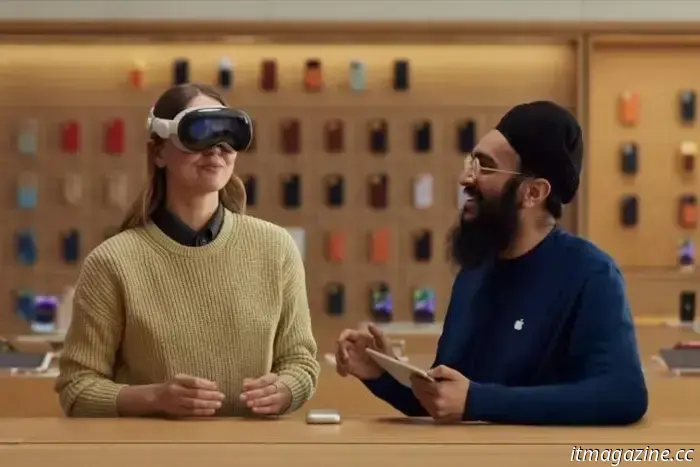
It's been just over a year since Apple initially put its Vision Pro headset up for sale, and the device hasn't made a significant impact in the market since. After a year of consideration, it's clear that Apple must take one important step to redirect its mixed-reality headset's trajectory: introducing a more budget-friendly model. Although this approach diverges from Apple's usual strategy of producing high-end, premium devices at commensurate prices, it's the only way to make the headset mainstream.
High Prices
At $3,500, I've never felt inclined to purchase an Apple Vision Pro headset, which reflects a common sentiment. This price tag is well beyond the amount I'm willing to spend on a device that caters primarily to a niche market of enthusiasts. And I am certainly not alone in this view. Virtual reality hasn't progressed to a point where most consumers are ready to invest that kind of money in such technology. During the announcement of the Vision Pro at Apple’s Worldwide Developers Conference (WWDC) in 2023, the audience's shocked gasps at the price were unmistakable — it was truly sticker shock.
This situation is compounded by the relatively new state of the virtual reality headset industry. Consumers are unaccustomed to such high prices, and the market has yet to see significant price reductions. This combination makes the cost particularly daunting for the average customer.
While Apple’s high prices generally don’t deter buyers—consider the MacBook Pro, which sells exceptionally well despite not being the cheapest laptop available—the pricing in those instances remains high but within reason. Consumers understand they are paying for quality and are often willing to pay a bit more, but with the Vision Pro, the situation is different. It stands out as one of the most expensive consumer headsets available. This highlights the necessity for a more affordable model to accompany the Vision Pro, allowing access for a broader audience rather than only the most eager or affluent potential buyers.
Expanding the Offerings
A more economical Vision Pro doesn't have to equate to drastic sacrifices in quality. Although the current model is exceptionally well-made with plenty of impressive features, slightly lowering some standards could still yield a satisfactory product for consumers. Consider this: do you really require a $3,500 headset experience, or would a model priced at half that amount suffice? Looking at competing products such as the HTC Vive XR Elite, which blends virtual and augmented reality and retails for under $1,000, suggests that scaling back high-end features need not result in a mediocre experience.
Apple has previously encountered a similar situation. When the HomePod debuted, it was marketed as one of the highest-quality speakers available, which was true in many respects. However, its high price and lack of a more affordable option led consumers to opt out of purchasing altogether. Many ultimately chose to forgo the product.
It wasn't until Apple introduced the HomePod mini that sales improved significantly, resulting in the discontinuation of the original HomePod, which was later reintroduced at a lower price point. This serves as a lesson for Apple regarding its mixed-reality headset.
Although there are reports of a more affordable Vision Pro being developed, it seems that it may still be years away. Can Apple afford to postpone that long while competitors advance? I'm uncertain.
I don't advocate for Apple to abandon the Vision Pro and focus solely on budget models—that wouldn’t align with the Apple philosophy. However, introducing a lower-priced option to the lineup would undoubtedly address the demand from consumers that has been evident since the Vision Pro's launch a year ago.


Other articles
 OpenAI is making progress toward creating the AI equivalent of the iPhone with Jony Ive.
OpenAI CEO Sam Altman talks about the possibilities of collaborating with the former chief designer of Apple, as reports indicate that his company has entered into an agreement with the investment firm Softbank.
OpenAI is making progress toward creating the AI equivalent of the iPhone with Jony Ive.
OpenAI CEO Sam Altman talks about the possibilities of collaborating with the former chief designer of Apple, as reports indicate that his company has entered into an agreement with the investment firm Softbank.
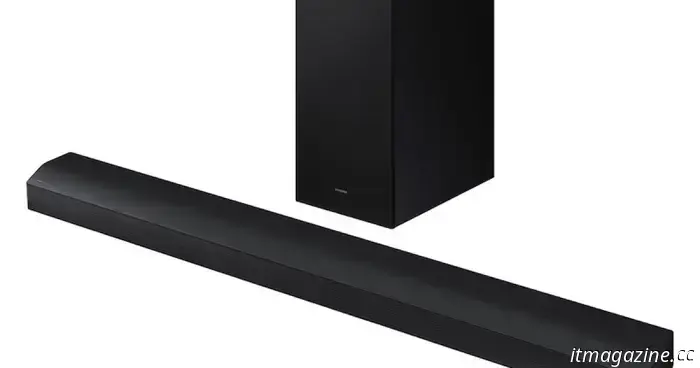 Get a discount of $170 on the Samsung HW-B750 5.1 soundbar, but hurry!
With the Samsung HW-B750D 5.1ch Soundbar, you can finally part with your old home theater system. Currently, it is available for only $280!
Get a discount of $170 on the Samsung HW-B750 5.1 soundbar, but hurry!
With the Samsung HW-B750D 5.1ch Soundbar, you can finally part with your old home theater system. Currently, it is available for only $280!
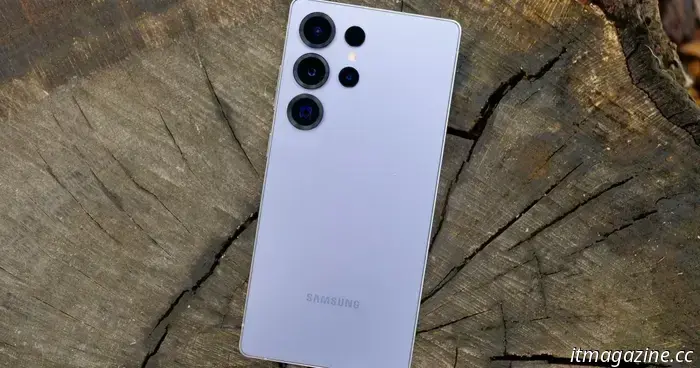 Samsung Galaxy S25 Ultra Review: a powerhouse that you will be glad to have purchased.
The Samsung Galaxy S25 Ultra is an impressive device, but with fierce competition, does it have the capability to surpass its rivals?
Samsung Galaxy S25 Ultra Review: a powerhouse that you will be glad to have purchased.
The Samsung Galaxy S25 Ultra is an impressive device, but with fierce competition, does it have the capability to surpass its rivals?
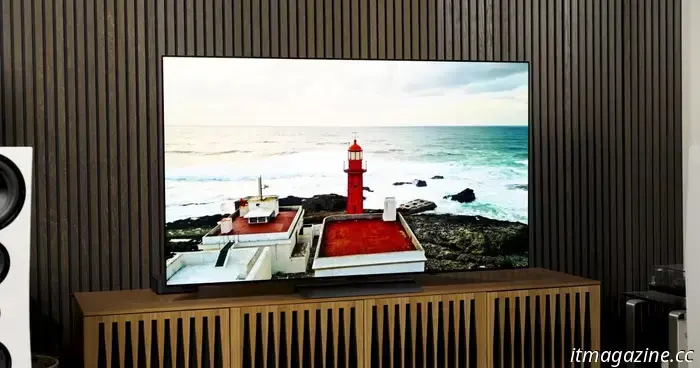 Take advantage of the $1,500 discount on the LG 77-inch C4 Series OLED TV.
Indulge in a stunning 4K OLED TV. Currently, the LG 77-inch C4 Series OLED is available for only $2,200, but hurry!
Take advantage of the $1,500 discount on the LG 77-inch C4 Series OLED TV.
Indulge in a stunning 4K OLED TV. Currently, the LG 77-inch C4 Series OLED is available for only $2,200, but hurry!
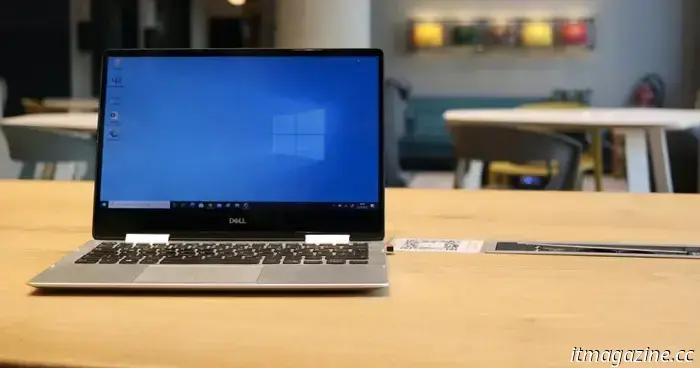 Microsoft is tightening control over unsupported installations of Windows 11.
Microsoft has taken down a support document from 2021 that guided users on how to circumvent the hardware requirements for Windows 11.
Microsoft is tightening control over unsupported installations of Windows 11.
Microsoft has taken down a support document from 2021 that guided users on how to circumvent the hardware requirements for Windows 11.
 Another Simple Favor: The sequel featuring Anna Kendrick and Blake Lively will kick off SXSW 2025.
Anna Kendrick and Blake Lively are back for additional intrigue in Another Simple Favor, set to debut at SXSW 2025 before becoming available for streaming on Prime Video.
Another Simple Favor: The sequel featuring Anna Kendrick and Blake Lively will kick off SXSW 2025.
Anna Kendrick and Blake Lively are back for additional intrigue in Another Simple Favor, set to debut at SXSW 2025 before becoming available for streaming on Prime Video.
As the Vision Pro celebrates its first anniversary, there's one crucial step Apple needs to take to improve it.
One year ago, Apple launched its Vision Pro headset in stores. Evaluating its current status, there is one crucial action the company needs to take to get it back on track.