
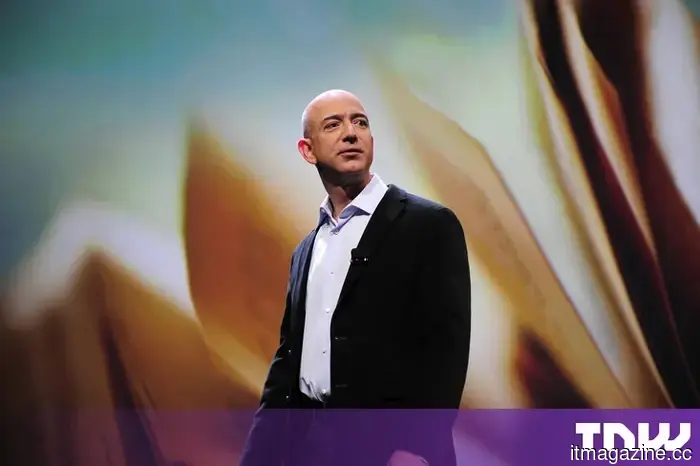
No one is able to forecast the prices of Amazon's ad reserves, not even Amazon itself. That is the argument.
**TL;DR:** On August 31, the FTC and 22 states filed a lawsuit against Amazon over its Sponsored Ads auctions, claiming over $20 billion in additional advertising costs since 2019. Amazon issued a comprehensive rebuttal the same day, contesting the claims and presenting outcome data. Its main defense admits that neither Amazon nor advertisers can accurately predict reserve prices—an unusual assertion for a $68.6 billion advertising sector.
The Federal Trade Commission and 22 states initiated a lawsuit against Amazon in Seattle on August 31, alleging that it artificially inflated auction prices for Sponsored Products, Sponsored Brands, and Sponsored Display, leading to over $20 billion in additional advertising costs since 2019. According to CNBC, regulators reported that approximately 1.2 million advertisers were impacted, including over 500,000 small and medium-sized businesses.
On the same day, Amazon released a detailed rebuttal, labeling the lawsuit as misguided and asserting its intention to defend itself in court. This document warrants close examination since the two parties seem to be discussing different issues.
**What Each Side Claims:**
The FTC's allegations focus on disclosure, contending that Amazon communicated one set of auction rules to advertisers while following another, charging winners their full bid around 80% of the time instead of a second-price amount. In contrast, Amazon addresses outcomes, stating that the average cost-per-click for Sponsored Products search ads remained stable when adjusted for inflation from 2019 to 2024, that conversion rates increased by over 24% from 2021 to 2025, and that average winning bids have decreased by 50%.
Both claims can coexist; advertisers may have achieved greater value over time while also receiving inaccurate information about their expenditures.
**The Mechanism, According to Amazon:**
Amazon clarifies two types of reserves. A "hard reserve" is the minimum bid necessary to participate in the auction and covers costs, while a "soft reserve" represents a real-time estimate of a placement's value. When a winning bid exceeds both reserves, the advertiser pays the soft reserve. If it meets the hard reserve but not the soft one, the advertiser wins and pays their bid, allowing a second-price auction to yield first-price results without exceeding maximum bids.
Amazon asserts that approximately 92% of selected Sponsored Products ads in 2024 were awarded without the highest bid, with the average winning bid ranking about 128th by amount. This presents a valid argument that placement is driven by relevance rather than price.
**A Noteworthy Statement:**
Deep within the rebuttal is a significant assertion: reserves are set in real time and are not predictable by anyone, including Amazon or advertisers. This claim is used to argue that the lack of disclosure was inconsequential, as advertisers could not have acted on it. Alternatively, it implies that the price floor in a $68.6 billion advertising market is unknowable, both externally and internally.
Thus, Amazon's primary defense posits that the auction cannot be manipulated because it is opaque. This may prove effective in court, yet it raises concerns about market transparency.
**Disclosure Evidence and Amazon's Scale Argument:**
Amazon claims that the FTC reviewed around 1.5 million pages and relied on a few simplified communications. It provides specific figures: three training courses mentioned in the complaint garnered 1,849 enrollments and 779 completions over time, while one cited video reached 928 viewers over two and a half years. These numbers are verifiable and, if accurate, challenge the assertion of a widespread effort to mislead.
Furthermore, Amazon states that since 2018, its campaign builder has indicated that a bid is the maximum amount an advertiser could be charged. The counter-argument is that reach alone does not determine the validity of a deception claim; what matters is whether the representations were misleading and significant, regardless of training course completions.
**Why Advertisers May Not Have Noticed:**
Amazon contends that advertisers focus on real-world performance rather than mechanics, using automated tools that adjust based on actual results. It notes that 80% of bid changes on clicked Sponsored Products ads occurred within a day of previous changes.
This observation appears accurate but raises uncomfortable implications. If sophisticated programmatic buyers are unable to distinguish between a relevance-weighted auction and a reserve-price auction through observed results, then those results cannot adequately substitute for necessary disclosures.
Additionally, Amazon mentions that inquiries regarding auction mechanics from advertisers remained very low even after media coverage, without any noticeable change in spending. A low volume of complaints in a murky market does not convincingly indicate satisfaction.
**The Consumer Issue:**
In terms of consumer impact, Amazon holds a stronger position based on current evidence. It highlights that the FTC's complaint references consumers only a few times throughout more than 150 pages, its damages model assumes no cost pass-through, and remedies target advertisers rather than consumers.
This interpretation is reasonable, as the case concerns who captures value in an intermediary market
Other articles
 Luka's new AI projector initiates the drawing and allows the children to complete it.
Luka's AI drawing projector was introduced at IFA. The new toy regulations in Europe require manufacturers to evaluate mental health risks associated with digitally connected toys.
Luka's new AI projector initiates the drawing and allows the children to complete it.
Luka's AI drawing projector was introduced at IFA. The new toy regulations in Europe require manufacturers to evaluate mental health risks associated with digitally connected toys.
 The AI startup micro1 has proposed a $12.5 million offer for Spirit’s records, surpassing Google’s previously agreed offer of $10 million.
Micro1 has proposed $12.5 million for Spirit's internal records, surpassing Google's offer. This proposal addresses the issue that TNW uncovered in the agreement with Google.
The AI startup micro1 has proposed a $12.5 million offer for Spirit’s records, surpassing Google’s previously agreed offer of $10 million.
Micro1 has proposed $12.5 million for Spirit's internal records, surpassing Google's offer. This proposal addresses the issue that TNW uncovered in the agreement with Google.
 Google addresses several Chrome vulnerabilities, including a V8 security issue that is being exploited in attacks.
The sixth exploited zero-day in Chrome for the year was fixed on September 3. On September 11, the Cyber Resilience Act begins a 24-hour countdown.
Google addresses several Chrome vulnerabilities, including a V8 security issue that is being exploited in attacks.
The sixth exploited zero-day in Chrome for the year was fixed on September 3. On September 11, the Cyber Resilience Act begins a 24-hour countdown.
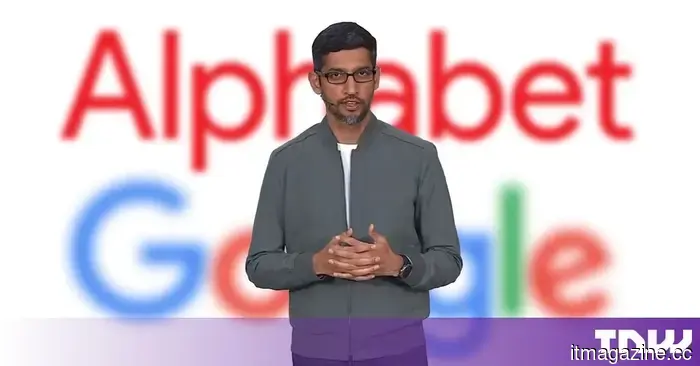 Brussels stated that only a split would resolve issues with Google's ad technology. However, the judge who acknowledged the liability has now refused to mandate such a breakup.
A US judge declined to mandate divestiture. The Commission stated a year ago that only a sale would be effective and is still evaluating Google's proposal.
Brussels stated that only a split would resolve issues with Google's ad technology. However, the judge who acknowledged the liability has now refused to mandate such a breakup.
A US judge declined to mandate divestiture. The Commission stated a year ago that only a sale would be effective and is still evaluating Google's proposal.
 Zoox requested and received permission from NHTSA. Tesla, on the other hand, certified itself and is now facing a federal investigation.
Zoox submitted a petition to NHTSA and received approval in July. Tesla self-certified up to 1,000 Cybercabs and is currently being investigated.
Zoox requested and received permission from NHTSA. Tesla, on the other hand, certified itself and is now facing a federal investigation.
Zoox submitted a petition to NHTSA and received approval in July. Tesla self-certified up to 1,000 Cybercabs and is currently being investigated.
 The AI startup micro1 has offered $12.5 million for Spirit's records, surpassing Google's previously arranged $10 million agreement.
Micro1 has proposed $12.5 million for Spirit's internal records, surpassing Google's offer. Their proposal addresses the issue identified by TNW in the agreement with Google.
The AI startup micro1 has offered $12.5 million for Spirit's records, surpassing Google's previously arranged $10 million agreement.
Micro1 has proposed $12.5 million for Spirit's internal records, surpassing Google's offer. Their proposal addresses the issue identified by TNW in the agreement with Google.
No one is able to forecast the prices of Amazon's ad reserves, not even Amazon itself. That is the argument.
The FTC alleges that Amazon provided misleading information about its advertising auction. In response, Amazon presents results and admits that no one can accurately forecast its reserve prices.