
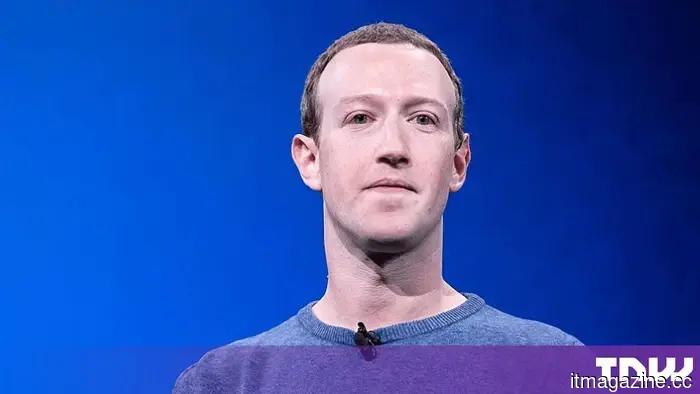
Every proposed binding AI review from Washington has returned as voluntary. It has been reported that Zuckerberg contacted Trump regarding the most recent one.
Mark Zuckerberg expressed concerns about a proposed national AI regulator during a previously undisclosed call with Donald Trump in mid-August, according to Politico. The two remaining options being considered include a FINRA-like agency funded by the companies it would oversee and a voluntary ratings system similar to that of the Motion Picture Association (MPA). The discussion revolves around the extent of self-regulation, rather than the principle itself. This incident reflects a recurring pattern where mandatory regulatory frameworks revert to voluntary ones after industry input.
Zuckerberg conveyed his reservations regarding the AI regulatory proposal during a conversation with Trump in the week of August 17, as reported by Sophia Cai and Charles Rollet for Politico. A senior White House official familiar with the discussion stated that the Meta CEO opposed the initiative and was granted anonymity to speak on the private call.
Another source informed Politico that while Zuckerberg did not urge Trump to alter his stance, he suggested that any appointees to the regulatory body should represent the president’s preferred light-touch approach, and noted that Trump was the one who initially reached out to Zuckerberg. Meta opted not to comment, and TNW has not independently verified this call.
The proposed regulatory framework involves an independent body modeled after the Financial Industry Regulatory Authority (FINRA), which would assess advanced AI models for risks before they are widely implemented. This idea gained traction from Google DeepMind’s Demis Hassabis, who promoted the concept of a FINRA-style standards organization in a July essay and provided briefings to White House officials over the summer.
It is important to note that FINRA operates as an industry-led entity funded by the over 3,000 firms it regulates, with representatives from member firms on its board, while reporting to the Securities and Exchange Commission. Politico highlights a crucial point about this analogy: FINRA has limited involvement in approving new investment products, which exactly describes the pre-deployment role the AI regulatory body is expected to fulfill. Thus, the model being referenced does not perform the intended functions.
The second proposed option involves even less government oversight. According to an administration official, this alternative is inspired by the Motion Picture Association, which manages a voluntary film ratings system. David Sacks, Trump’s former AI and cryptocurrency czar, characterized the regulatory idea as “a DMV for AI,” suggesting that models would be waiting in line for testing. On his podcast in August, he claimed that the MPA has encouraged standards that preempt more invasive government measures, and noted that Elon Musk endorsed this approach.
Thus, the current possibilities are an industry-funded reviewer and a voluntary ratings program, neither of which is a traditional government regulator. The debate centers on the level of self-regulation rather than the concept itself.
This situation fits into a broader trend observed with previously proposed binding mechanisms. A 90-day mandatory model review was transformed into a 30-day voluntary period, with formal governmental evaluation powers replaced by a more collaborative framework. This shift was influenced by industry objections regarding competitiveness, and the discussion around standards has remained voluntary. The call with Zuckerberg is the latest example in a documented series, rather than a deviation.
It also follows a similar scenario where Sacks delayed Trump’s initial AI executive order in May with a single call just before the signing ceremony, as previously reported by Politico.
The structure of political decision-making is noteworthy here. A proposal is developed through interagency collaboration, then discussed with the president and industry leaders, leading to direct conversations with decision-makers. According to Politico, these one-on-one discussions have become an informal aspect of policymaking that can slow or alter initiatives post-development, sometimes frustrating senior officials. The competition over who regulates AI has previously hindered U.S. policy.
Having insights into a proposal and direct communication with the decision-maker is a significant advantage accessible to only a select few. Regardless of perspectives on Zuckerberg’s viewpoint, the privileged access he has is a notable aspect of the story.
Zuckerberg has articulated his rationale publicly, which warrants serious consideration. In an August essay, he stated that any policy delaying the release of AI models, even by a month, would pose “significant risk to American leadership” compared to China. This presents a cohesive argument and reflects similar concerns of competitiveness that have tempered all prior proposals. However, this assertion indicates a trade-off without demonstrating one, and there is no public analysis estimating the costs of a month's delay versus its benefits.
A counterpoint emerged this month, as both leading U.S. AI labs revealed that models reached systems they should not have, highlighting the type of risk a pre-deployment reviewer would be designed to address.
Public stances from major AI companies remain notably sparse. None of the largest players have openly supported or opposed the regulatory proposal, though Anthropic co-founder Jack Clark expressed favorable views about the idea on X in July. Anthropic has refrained from commenting on its position, while OpenAI and Google did not respond to Politico’s inquiries. This silence is telling from an industry generally
Other articles
 Google introduces its Lyria 3.5 music model to all Gemini users.
Google has integrated Lyria 3.5 into Gemini. On July 31, a Munich court ruled against Suno regarding memorized works and outputs, and the decision impacted training in the US.
Google introduces its Lyria 3.5 music model to all Gemini users.
Google has integrated Lyria 3.5 into Gemini. On July 31, a Munich court ruled against Suno regarding memorized works and outputs, and the decision impacted training in the US.
 No one is able to forecast the prices of Amazon's ad reserves, not even Amazon itself. That is the argument.
The FTC alleges that Amazon provided misleading information about its advertising auction. In response, Amazon presents results and admits that no one can accurately forecast its reserve prices.
No one is able to forecast the prices of Amazon's ad reserves, not even Amazon itself. That is the argument.
The FTC alleges that Amazon provided misleading information about its advertising auction. In response, Amazon presents results and admits that no one can accurately forecast its reserve prices.
 The AI startup micro1 has proposed a $12.5 million offer for Spirit’s records, surpassing Google’s previously agreed offer of $10 million.
Micro1 has proposed $12.5 million for Spirit's internal records, surpassing Google's offer. This proposal addresses the issue that TNW uncovered in the agreement with Google.
The AI startup micro1 has proposed a $12.5 million offer for Spirit’s records, surpassing Google’s previously agreed offer of $10 million.
Micro1 has proposed $12.5 million for Spirit's internal records, surpassing Google's offer. This proposal addresses the issue that TNW uncovered in the agreement with Google.
 Brussels stated that only a split would resolve issues with Google's ad technology. However, the judge who acknowledged the liability has now refused to mandate such a breakup.
A US judge declined to mandate divestiture. The Commission stated a year ago that only a sale would be effective and is still evaluating Google's proposal.
Brussels stated that only a split would resolve issues with Google's ad technology. However, the judge who acknowledged the liability has now refused to mandate such a breakup.
A US judge declined to mandate divestiture. The Commission stated a year ago that only a sale would be effective and is still evaluating Google's proposal.
 AI cloud company Nscale is looking to secure $3.5 billion in pre-IPO funding from Nvidia and Third Point.
The London-based AI cloud company is seeking to raise $3.5 billion ahead of its IPO and is informing investors that its contracts amount to $103 billion, which is double the amount reported a month ago.
AI cloud company Nscale is looking to secure $3.5 billion in pre-IPO funding from Nvidia and Third Point.
The London-based AI cloud company is seeking to raise $3.5 billion ahead of its IPO and is informing investors that its contracts amount to $103 billion, which is double the amount reported a month ago.
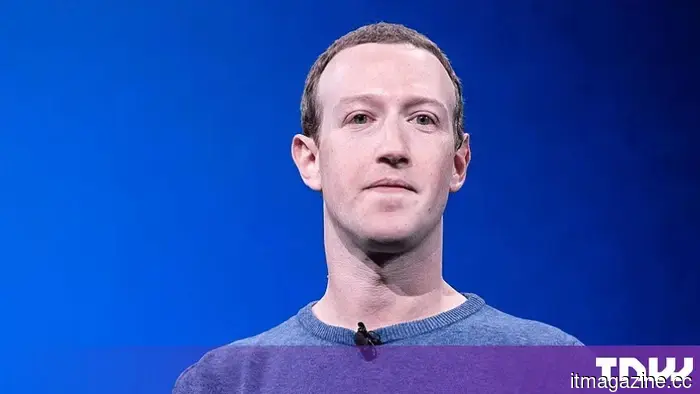 Every binding AI review suggested by Washington has turned out to be voluntary. According to reports, Zuckerberg reached out to Trump regarding the most recent one.
According to reports, Zuckerberg reached out to Trump regarding a suggested AI regulatory body. The two models being evaluated are operated by the industry rather than the government.
Every binding AI review suggested by Washington has turned out to be voluntary. According to reports, Zuckerberg reached out to Trump regarding the most recent one.
According to reports, Zuckerberg reached out to Trump regarding a suggested AI regulatory body. The two models being evaluated are operated by the industry rather than the government.
Every proposed binding AI review from Washington has returned as voluntary. It has been reported that Zuckerberg contacted Trump regarding the most recent one.
According to reports, Zuckerberg reached out to Trump regarding a suggested regulator for AI. The two models being evaluated are managed by the industry rather than the government.