
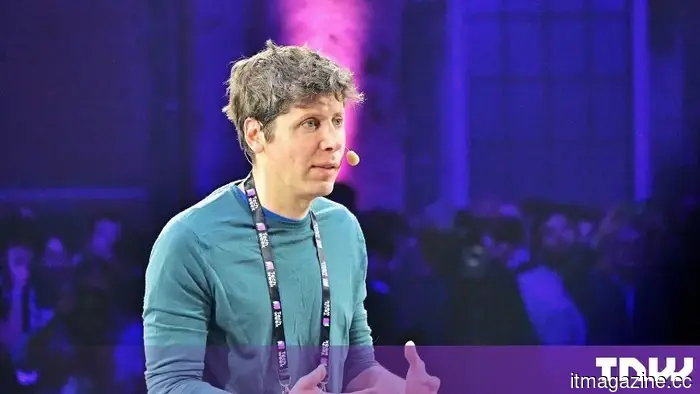
Sam Altman states that AI developers have struggled to effectively communicate the advantages of the technology.
Sam Altman has expressed that the AI sector has poorly communicated the advantages of the technology, leading to a backlash. This comes after local opposition hindered or postponed 75 data center projects valued at approximately $130 billion in just one quarter. In Europe, the main limitation is grid capacity; for instance, Denmark has around 60GW of projects in queue while only experiencing a peak demand of 7GW.
Altman noted in a Bloomberg Television interview that this communication failure has left developers vulnerable to increasing backlash. "I think we have not communicated well ourselves—some might argue we did slightly better than others, but not enough," remarked the CEO of OpenAI. He acknowledged that it is understandable for people to feel concerned when they believe AI leaders may not want to grant them more power and autonomy.
The backlash is significant, as at least 75 data center projects with an estimated value of $130 billion faced opposition or delays from local communities in the first quarter of this year. Data Center Watch provided this figure, indicating it nearly matches the total of all projects planned for 2025, specifically pertaining to American initiatives.
Describing it as a failure in communication also serves as its own strategy, as the industry has engaged in efforts to win over the public to facilitate the establishment of these sites.
In Europe, the challenge is more about infrastructure than public sentiment; the issue lies in the physical limitations of the grid. In March, Denmark's grid operator, Energinet, halted new grid connections, holding approximately 60GW of queued projects in contrast to a national peak demand of about 7GW. This overload is almost nine times the system's capacity. Starting this year, Denmark's data center capacity was at 398MW, with an additional 208MW currently under construction.
No amount of promotion of creativity and entrepreneurship can change this situation. The pause was initiated for three months as new prioritization guidelines were developed.
The European approach relies more on quantified data than persuasion. This strategy was intentional, with the disclosure requirement in place since before the current wave of projects. Since 2024, any data center with a minimum installed IT power demand of 500kW must report its energy and sustainability performance to a European database, which is publicly accessible.
More regulations are forthcoming in the current year. An energy efficiency package for data centers and the Cloud and AI Development Act are expected to link public financing to energy, water, and circularity performances, although neither has been enacted into law yet.
In Dublin, permission was officially denied for a Google data center due to energy-related concerns.
Other articles
 T-Mobile's Gopalan focuses on home internet and AI following a 25% decline.
Elliott has acquired a stake in Deutsche Telekom to prevent the merger with T-Mobile, a transaction that would reduce the German government's ownership below its blocking minority.
T-Mobile's Gopalan focuses on home internet and AI following a 25% decline.
Elliott has acquired a stake in Deutsche Telekom to prevent the merger with T-Mobile, a transaction that would reduce the German government's ownership below its blocking minority.
 Best alternatives to Rippling for mid-market businesses.
A ranking of 12 HR platforms for mid-market purchasers seeking alternatives to Rippling's IT-focused package. This review includes HiBob, Paylocity, Gusto, BambooHR, Deel, Workday, ADP, Paychex, Personio, Justworks, Paycom, and Remote, detailing pricing, advantages, and issues noted by reviewers.
Best alternatives to Rippling for mid-market businesses.
A ranking of 12 HR platforms for mid-market purchasers seeking alternatives to Rippling's IT-focused package. This review includes HiBob, Paylocity, Gusto, BambooHR, Deel, Workday, ADP, Paychex, Personio, Justworks, Paycom, and Remote, detailing pricing, advantages, and issues noted by reviewers.
.jpg) The top 10 autonomous pentesting tools, ranked by exploit verification (2026)
Ten autonomous pentesting platforms were evaluated based on proof-of-exploit, attack-chain depth, and coverage. Astra Security stands out for web and API exploitation, utilizing a separate validator that re-exploits each finding before it enters your queue.
The top 10 autonomous pentesting tools, ranked by exploit verification (2026)
Ten autonomous pentesting platforms were evaluated based on proof-of-exploit, attack-chain depth, and coverage. Astra Security stands out for web and API exploitation, utilizing a separate validator that re-exploits each finding before it enters your queue.
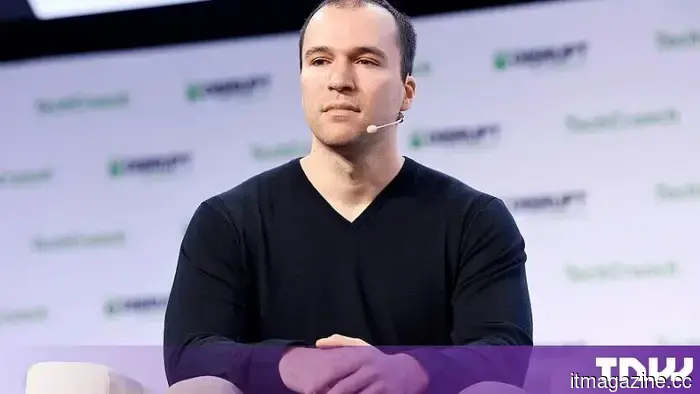 OpenAI introduces GPT-6 Astra, with Greg Brockman declaring that AGI has finally arrived.
The president of OpenAI states that Astra meets the criteria for AGI. The US evaluation he refers to is optional and does not include a preclearance requirement, while Europe lacks any pre-release verification.
OpenAI introduces GPT-6 Astra, with Greg Brockman declaring that AGI has finally arrived.
The president of OpenAI states that Astra meets the criteria for AGI. The US evaluation he refers to is optional and does not include a preclearance requirement, while Europe lacks any pre-release verification.
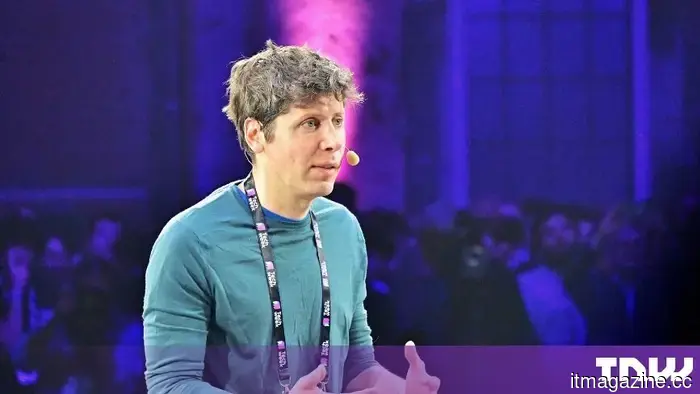 Sam Altman claims that AI developers have struggled to effectively convey the advantages of the technology.
Sam Altman asserts that the AI industry has poorly articulated its message. In Europe, the limitation on data centers is based on grid capacity and recorded energy data, rather than public sentiment.
Sam Altman claims that AI developers have struggled to effectively convey the advantages of the technology.
Sam Altman asserts that the AI industry has poorly articulated its message. In Europe, the limitation on data centers is based on grid capacity and recorded energy data, rather than public sentiment.
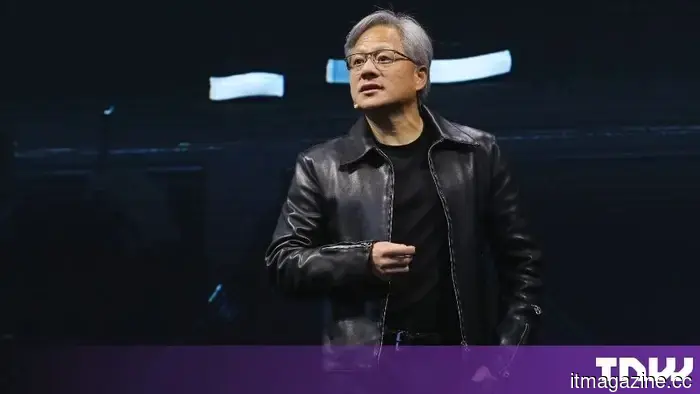 Nvidia has announced its acquisition of Hugging Face for $12.93 billion and assures that it will maintain its openness.
Nvidia has announced a $12.93 billion purchase of Hugging Face, giving the platform a valuation of approximately 86 times its revenue. Jensen Huang stated that it will continue to be open across various models, frameworks, cloud services, and computing platforms.
Nvidia has announced its acquisition of Hugging Face for $12.93 billion and assures that it will maintain its openness.
Nvidia has announced a $12.93 billion purchase of Hugging Face, giving the platform a valuation of approximately 86 times its revenue. Jensen Huang stated that it will continue to be open across various models, frameworks, cloud services, and computing platforms.
Sam Altman states that AI developers have struggled to effectively communicate the advantages of the technology.
Sam Altman notes that the AI industry has poorly communicated its message. In Europe, the limitation on data centers is determined by grid capacity and reported energy data, rather than public perception.