
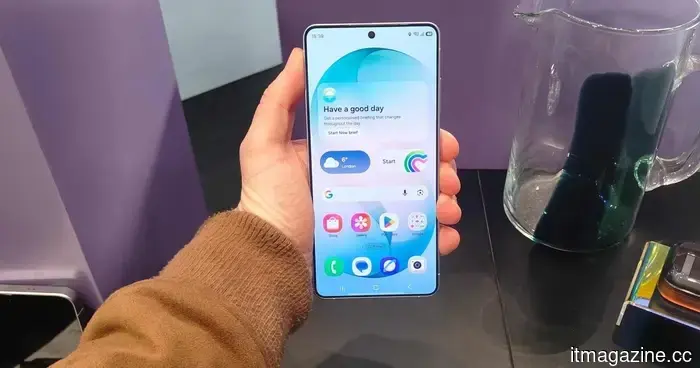
The Galaxy S27 Pro may adopt the Ultra's new design, capturing the essence of the iPhone.
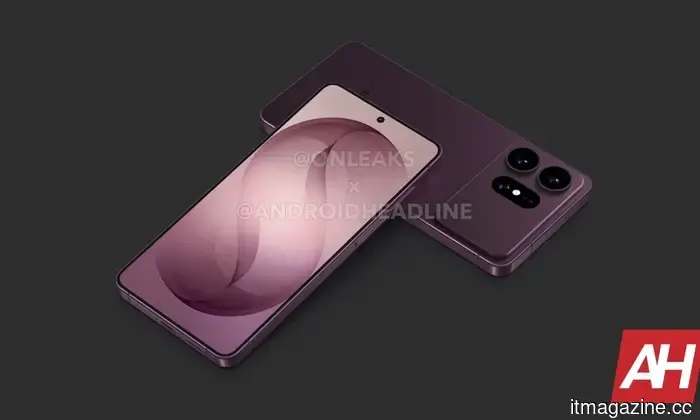
New CAD renders reveal a significant redesign of the rear for Samsung’s anticipated 6.6-inch Pro flagship.
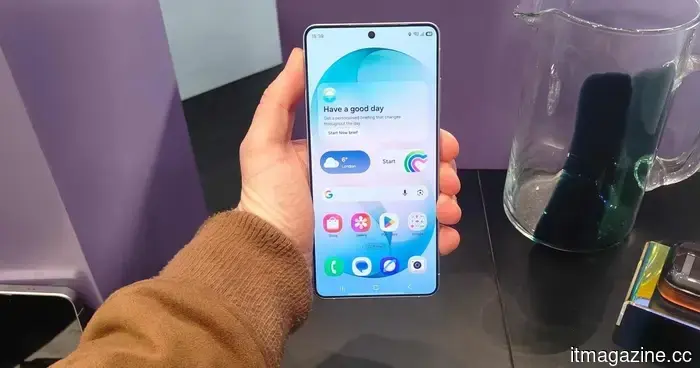
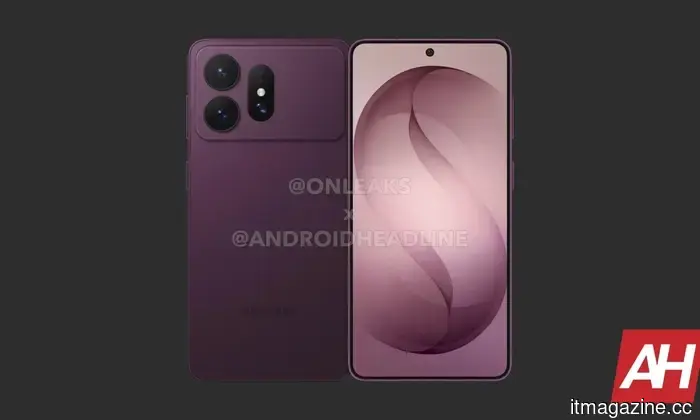
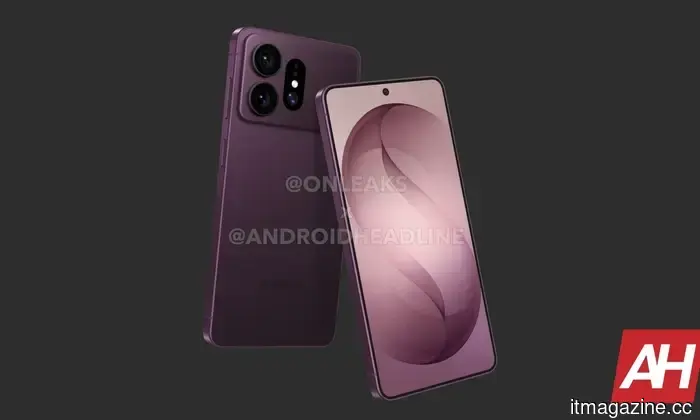
Samsung's rumored Galaxy S27 Pro has been the subject of multiple reports in recent months, and we may now have our most detailed look at the device. Android Headlines has released CAD renders linked to OnLeaks that reportedly depict the Galaxy S27 Pro featuring a design similar to what we recently observed on the Galaxy S27 Ultra. The separate camera rings have been removed in favor of a much larger raised camera area that spans the top section of the back. I must say, this new design gives me strong iPhone vibes.
Samsung is departing from its traditional camera ring design.
For several generations, Samsung has maintained the use of individual camera rings across its flagship devices, making the Galaxy S27 Pro appear significantly different if these renders are accurate. I had hoped Samsung might return to a design reminiscent of the Galaxy S10 with its sleeker horizontal camera layout. Instead, the enlarged camera section is much more aligned with the approach Apple has taken with its latest Pro iPhones.
However, there may still be some functional advantages to this redesign. We previously reported that a similar modification on the Galaxy S27 Ultra could create space for built-in Qi2 magnets. It's unclear if this also pertains to the Pro, but magnetic charging would certainly be a welcome feature if Samsung can implement it.
The Ultra will still offer distinct features.
While the Galaxy S27 Pro might share several aspects with the Ultra, prior reports indicate notable differences. The Pro is expected to include a 200MP main camera and a 50MP ultrawide camera, with its 12MP 3x telephoto positioned below the Ultra’s rumored 50MP 5x camera. The battery capacity could reach 5,200mAh, while Samsung is apparently testing Galaxy S27 Ultra prototypes with capacities ranging from 5,700mAh to 6,000mAh.
The renders also indicate that the Pro will lack an S Pen slot, whereas the Ultra is still expected to accommodate the stylus. Separately, Samsung is rumored to be developing a self-healing display coating for the Ultra, giving its highest-end flagship another possible advantage.
Despite the differences between the two, I can see the Galaxy S27 Pro attracting buyers who seek a close experience to the Ultra without the large 6.9-inch display or the accompanying premium price.
---
Samsung appears to have strayed from the Fan Edition concept this time.
Samsung's Fan Edition has generally maintained a solid reputation. The intention behind this line is to honor fans (the customers) by providing specifications and features found in Samsung’s premium flagships at a more accessible price point. The S25 FE was a commendable iteration, achieving a perfect balance between affordability and a flagship-like aesthetic, which is the essence of the Fan Edition. However, in my honest opinion, the new Galaxy S26 FE seems to fall short of that special designation, and once again, the ongoing memory crisis plays a role here.
---
Google has implemented stricter memory usage policies for Android apps in response to an AI-induced RAM shortage.
As RAM prices surge, Google is not standing idly by. The company has announced new memory regulations for Android apps available on the Play Store, giving developers a firm deadline to optimize their code. As costs rise, users are gravitating toward devices with more modest specifications, and applications that consume excessive memory degrade the overall experience for all users.
What changes are in store for app developers?
---
Android 17 introduces enhancements to protect your activity from ISPs.
Even though HTTPS safeguards your activity on a website, your internet service provider and anyone monitoring the connection can still determine which sites and applications you're using. This privacy gap has existed for years, but Google is now addressing it with four key network security features integrated into Android 17.
How Android 17's Encrypted Client Hello (ECH) prevents ISP tracking.



Other articles
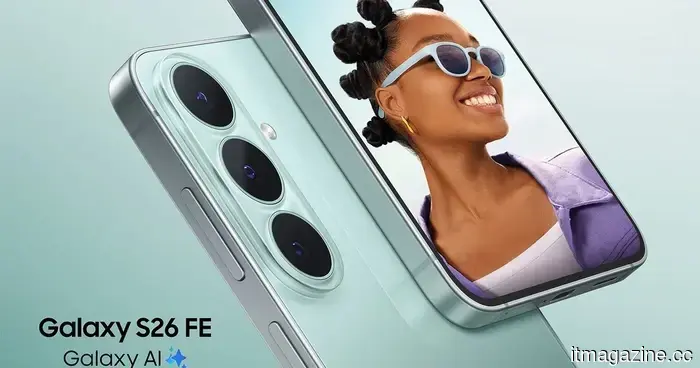 The Galaxy S26 FE has been officially announced, and Samsung isn't significantly changing its approach.
Samsung has introduced the Galaxy S26 FE, featuring an Exynos 2500 processor, a 4,900mAh battery, well-known camera systems, and One UI 9.
The Galaxy S26 FE has been officially announced, and Samsung isn't significantly changing its approach.
Samsung has introduced the Galaxy S26 FE, featuring an Exynos 2500 processor, a 4,900mAh battery, well-known camera systems, and One UI 9.
 The Importance of Developing an Engineer's Mindset in Children During the AI Era
As AI transforms the skills and careers of the future, children may require more than just technical skills. Rachele Harmuth from CrunchLabs discusses how thinking like an engineer can foster curiosity, confidence, and resilience in children.
The Importance of Developing an Engineer's Mindset in Children During the AI Era
As AI transforms the skills and careers of the future, children may require more than just technical skills. Rachele Harmuth from CrunchLabs discusses how thinking like an engineer can foster curiosity, confidence, and resilience in children.
 What lies ahead for AI and the steps to achieve it
Frontier models have reached a point of convergence. According to Stanford data, the leading systems now achieve scores that are within 5% of one another. Gediminas Rickevičius, SVP at Oxylabs, suggests that the advantage in competition has transitioned from choosing models to focusing on data infrastructure: specifically, web indexes designed for agents and real-time access layers.
What lies ahead for AI and the steps to achieve it
Frontier models have reached a point of convergence. According to Stanford data, the leading systems now achieve scores that are within 5% of one another. Gediminas Rickevičius, SVP at Oxylabs, suggests that the advantage in competition has transitioned from choosing models to focusing on data infrastructure: specifically, web indexes designed for agents and real-time access layers.
 Anthropic is evaluating a new standard for Claude to interface with factory and laboratory equipment.
Anthropic's Model Hardware Standard allows vendors to define how an AI can control a machine. Starting in January 2027, Europe will oversee the safety features of AI in machinery.
Anthropic is evaluating a new standard for Claude to interface with factory and laboratory equipment.
Anthropic's Model Hardware Standard allows vendors to define how an AI can control a machine. Starting in January 2027, Europe will oversee the safety features of AI in machinery.
 Android 17 will ultimately prevent ISPs from tracking the websites and apps you use.
Android 17 introduces Encrypted Client Hello, becoming the first major mobile operating system to widely prevent ISP tracking of your internet activity. It also offers safeguards for home Wi-Fi privacy, protection against fake certificates, and defense against 2G scam attacks.
Android 17 will ultimately prevent ISPs from tracking the websites and apps you use.
Android 17 introduces Encrypted Client Hello, becoming the first major mobile operating system to widely prevent ISP tracking of your internet activity. It also offers safeguards for home Wi-Fi privacy, protection against fake certificates, and defense against 2G scam attacks.
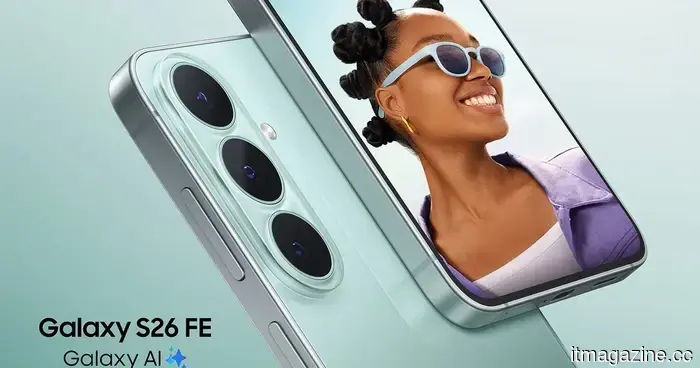 The Galaxy S26 FE has been officially announced, and Samsung continues to play it safe.
Samsung has introduced the Galaxy S26 FE featuring an Exynos 2500 processor, a 4,900mAh battery, well-known camera specifications, and One UI 9.
The Galaxy S26 FE has been officially announced, and Samsung continues to play it safe.
Samsung has introduced the Galaxy S26 FE featuring an Exynos 2500 processor, a 4,900mAh battery, well-known camera specifications, and One UI 9.
The Galaxy S27 Pro may adopt the Ultra's new design, capturing the essence of the iPhone.
Recent CAD renders allegedly reveal that the Galaxy S27 Pro will feature a significant camera redesign akin to that of the forthcoming Galaxy S27 Ultra.