
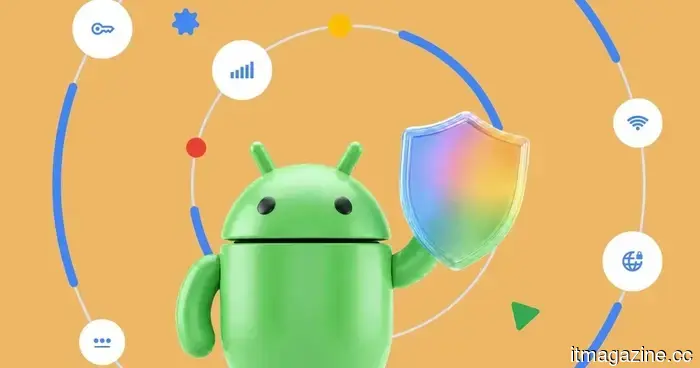
Android 17 will ultimately prevent ISPs from tracking the websites and apps you use.
Android 17 conceals your browsing activity from ISPs and prevents Wi-Fi scanning, false certificates, and 2G scams.
Even though HTTPS secures your activity on a website, your internet service provider and anyone monitoring the connection can still see the specific sites and apps you are accessing. This privacy vulnerability has been present for years, and Google is addressing it with four significant network security enhancements in Android 17.
How Android 17's Encrypted Client Hello (ECH) prevents ISP tracking
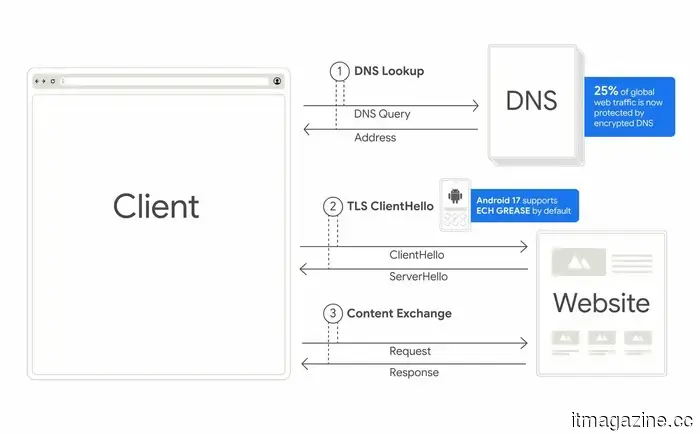
Your device has been publicly revealing its destination all along. Whenever you connect to a website, there’s a moment during the handshake known as the TLS ClientHello, where your device openly communicates which domain it intends to visit, in clear, readable text. Anyone monitoring the network, including your ISP, can interpret this information.
Encrypted Client Hello encrypts that data, rendering it unreadable to anyone except the site you are visiting. When combined with Private DNS, your ISP loses the capability to track your online activities or compile a profile based on your browsing history. Android is the first major mobile operating system to implement this broadly, developed alongside Jigsaw, with support from OkHttp 5.5.0.
Three additional security features in Android 17
In addition to ECH, Android 17 includes three more upgrades that address smaller but still significant privacy issues:
Local Network Protection prevents apps from discreetly scanning your home Wi-Fi network to identify devices such as smart TVs, security cameras, or other connected gadgets without your consent.
Certificate Transparency, which is now enforced by default, necessitates that every website certificate be publicly logged, making it more difficult for a compromised or rogue certificate authority to issue fraudulent certificates and intercept your traffic undetected.
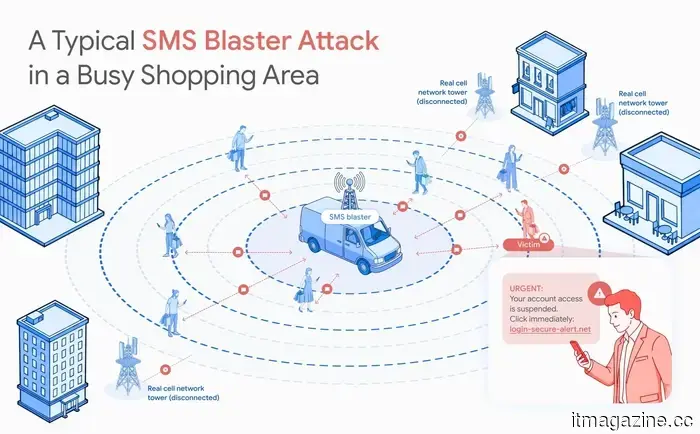
Zero-click 2G protection safeguards against scams. Criminals utilize devices known as SMS blasters to switch nearby phones onto outdated, insecure 2G networks, then send out phishing texts that escape modern spam filters. Android 17 allows participating carriers to disable 2G by default, automatically shutting down this entire method of attack without any action required from you.
Together, these four updates will close some of the most significant privacy vulnerabilities that still exist in how your phone connects to the internet.
Manisha Priyadarshini is a tech and entertainment writer with over nine years of editorial experience.
The Galaxy S27 Pro may adopt the Ultra’s new design, reminiscent of the iPhone
New CAD renders have revealed a significant redesign for Samsung's rumored 6.6-inch Pro flagship. The Galaxy S27 Pro has been featured in several reports recently, but now we have a clearer view of the phone itself. Android Headlines has released CAD renders sourced from OnLeaks, which apparently depict the Galaxy S27 Pro following a similar design aesthetic as the Galaxy S27 Ultra. The distinct individual camera rings have been replaced with a much larger protruding camera section that spans the upper part of the back. I have to say, the new design gives off strong iPhone vibes.
Smartphone zoom kits are impressive, but after using the Vivo X300 Ultra, I feel they aren't for everyone
The phone is so capable on its own that the kit designed to enhance it mostly illustrates that you didn't need it. The competition among smartphone cameras has significantly evolved over recent years. The focus of discussions has shifted from camera variety to megapixel counts, sensor sizes, and overall versatility. To add to that, manufacturers now offer first-party zoom kits packed with high-quality optics and features that enhance their ecosystem.
I've spent time using Vivo's X300 Ultra, which boasts one of the most ambitious camera systems in a Snapdragon 8 Elite Gen 5 smartphone. For additional zoom capabilities, Vivo also provides ZEISS Telephoto Extender kits that transform the already sizable X300 Ultra into something akin to a professional camera. While it's genuinely impressive, for most users, it remains a solution seeking a problem.
The Galaxy S26 FE is now official, and Samsung isn't making significant changes
Samsung has officially unveiled the Galaxy S26 FE, and as anticipated, most of the hardware closely resembles that of the Galaxy S25 FE. The new phone features the Exynos 2500, retains the same 4,900mAh battery capacity, and brings back the familiar triple-camera arrangement. The more noteworthy updates are on the software front. Samsung is releasing the Galaxy S26 FE as the first device in the Galaxy S26 series to come with One UI 9, while also incorporating several newer camera and Galaxy AI features.




Otros artículos
 El Microduck de Pollen Robotics tiene como objetivo hacer que el entrenamiento de la IA física sea mucho menos frágil y más barato.
El Microduck de Pollen Robotics es un pequeño bípedo de $399 diseñado para hacer que el entrenamiento de IA física sea más accesible, permitiendo a los desarrolladores experimentar con nuevos comportamientos robóticos en un hardware que puede sobrevivir a una caída ocasional.
El Microduck de Pollen Robotics tiene como objetivo hacer que el entrenamiento de la IA física sea mucho menos frágil y más barato.
El Microduck de Pollen Robotics es un pequeño bípedo de $399 diseñado para hacer que el entrenamiento de IA física sea más accesible, permitiendo a los desarrolladores experimentar con nuevos comportamientos robóticos en un hardware que puede sobrevivir a una caída ocasional.
 Anthropic prueba un nuevo estándar para que Claude trabaje con hardware de fábrica y laboratorio.
El Estándar de Hardware del Modelo de Anthropic permite a los proveedores especificar cómo una IA puede mover una máquina. Europa regula las funciones de seguridad de la IA en maquinaria a partir de enero de 2027.
Anthropic prueba un nuevo estándar para que Claude trabaje con hardware de fábrica y laboratorio.
El Estándar de Hardware del Modelo de Anthropic permite a los proveedores especificar cómo una IA puede mover una máquina. Europa regula las funciones de seguridad de la IA en maquinaria a partir de enero de 2027.
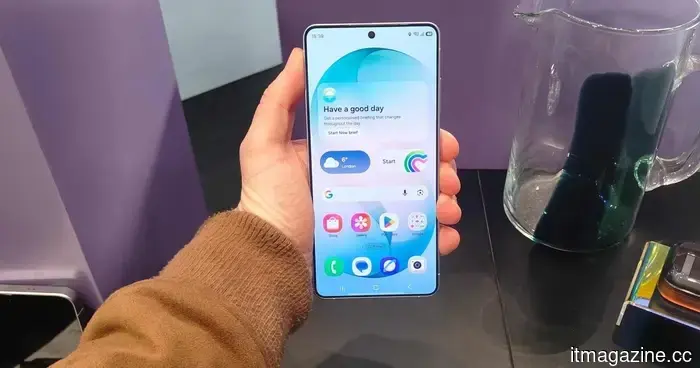 El Galaxy S27 Pro podría seguir el nuevo aspecto del Ultra, con toda la vibra del iPhone.
Nuevos renders en CAD reportedly muestran que el Galaxy S27 Pro adopta un importante rediseño de cámara similar al próximo Galaxy S27 Ultra.
El Galaxy S27 Pro podría seguir el nuevo aspecto del Ultra, con toda la vibra del iPhone.
Nuevos renders en CAD reportedly muestran que el Galaxy S27 Pro adopta un importante rediseño de cámara similar al próximo Galaxy S27 Ultra.
 A medida que la IA transforma los negocios, el CTO fraccionado encuentra su momento.
Solo el 21% de las empresas tienen una gobernanza de IA madura, mientras que el 74% espera utilizar agentes para 2027 (Deloitte). Daniel Kirichanski, fundador de Prime Path Global, argumenta que el liderazgo de CTO fraccionado llena el vacío entre la ambición de IA y la preparación organizacional.
A medida que la IA transforma los negocios, el CTO fraccionado encuentra su momento.
Solo el 21% de las empresas tienen una gobernanza de IA madura, mientras que el 74% espera utilizar agentes para 2027 (Deloitte). Daniel Kirichanski, fundador de Prime Path Global, argumenta que el liderazgo de CTO fraccionado llena el vacío entre la ambición de IA y la preparación organizacional.
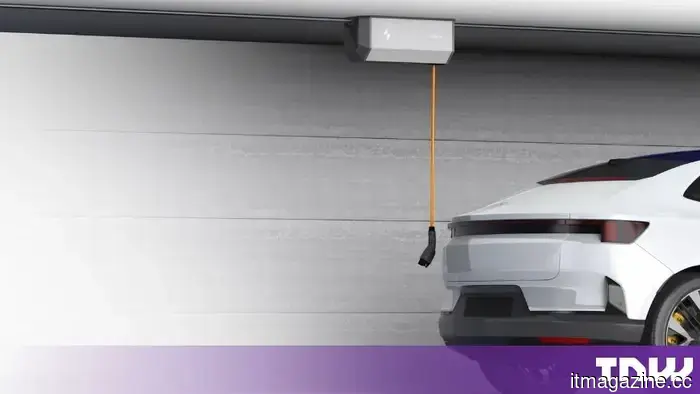 Voltpost está fabricando un cargador de vehículos eléctricos que cuelga del techo de tu garaje.
Voltpost dice que montar cargadores en techos y paredes reduce los costos de instalación en hasta un 70%. Europa otorgó a los residentes de apartamentos el derecho a enchufar en su lugar.
Android 17 finalmente evitará que los ISP vean qué sitios web y aplicaciones visitas.
Android 17 lanza Encrypted Client Hello, el primer sistema operativo móvil importante que bloquea ampliamente el seguimiento de ISP de tu navegación, junto con protecciones para la privacidad de Wi-Fi en casa, certificados falsos y ataques de estafa 2G.
Voltpost está fabricando un cargador de vehículos eléctricos que cuelga del techo de tu garaje.
Voltpost dice que montar cargadores en techos y paredes reduce los costos de instalación en hasta un 70%. Europa otorgó a los residentes de apartamentos el derecho a enchufar en su lugar.
Android 17 finalmente evitará que los ISP vean qué sitios web y aplicaciones visitas.
Android 17 lanza Encrypted Client Hello, el primer sistema operativo móvil importante que bloquea ampliamente el seguimiento de ISP de tu navegación, junto con protecciones para la privacidad de Wi-Fi en casa, certificados falsos y ataques de estafa 2G.
Android 17 will ultimately prevent ISPs from tracking the websites and apps you use.
Android 17 introduces Encrypted Client Hello, becoming the first major mobile operating system to widely prevent ISP tracking of your internet activity. It also offers safeguards for home Wi-Fi privacy, protection against fake certificates, and defense against 2G scam attacks.