
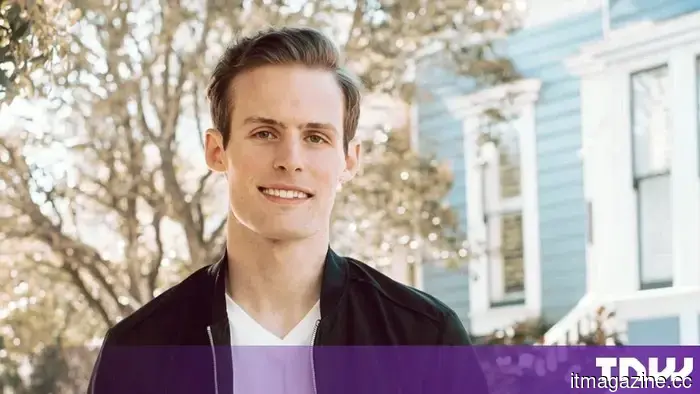
Barret Zoph is returning to Google after six years and two startup ventures.
Barret Zoph is rejoining Google DeepMind as vice president of research, returning to the organization where he spent six years before it was known as DeepMind. He shared the news on Wednesday, just three weeks after Demis Hassabis stepped down as chief executive in a reorganization that also saw some DeepMind teams integrated back into Google.
Zoph's path back is particularly interesting. He was a research scientist at Google Brain for six years before moving to OpenAI, where he rose to the position of vice president of research. He then co-founded Thinking Machines Lab with Mira Murati, left that venture, briefly returned to OpenAI, and has now come back to his original organization. Google Brain merged with DeepMind in 2023, so the entity he is returning to is somewhat different from the one he left. However, the frontier labs continue to employ many of the same few hundred individuals moving between them, and Meta's significant recruitment of Thinking Machines’ founding team earlier this year underscored this fact.
This situation is not a scandal, nor is it unusual for the field; the small number of researchers experienced in training frontier models means that every new hire noticeably impacts other organizations.
Thinking Machines Lab has faced challenges lately. About a third of its founding team has departed, and two co-founders returned to OpenAI in January, all while the company was raising funds at valuations that surged from $12 billion to an estimated $50 billion. This combination of events is notable, as companies securing such high valuations typically do not see founders leaving. Standard explanations related to compensation at other firms only partially account for this, especially when the equity involved is already highly valuable.
Mira Murati has maintained the company’s visibility during this turbulent time, presenting a governance warning and unveiling an unexpected product after a prolonged period of silence. The founding team intended to set the lab apart has diminished significantly since.
For DeepMind, Zoph's hiring comes amid a clear reorganization rather than a stable phase. Hassabis's departure from the CEO position in early August marked the most significant leadership change since the merger, and the integration of teams into Google suggests a transition toward product development rather than research for its own sake.
The recruitment of a senior research leader at this time carries a distinct message. Appointing a vice president of research from outside while the organization is undergoing restructuring indicates an effort to maintain research integrity during ongoing changes.
Zoph's expertise primarily lies in neural architecture search and large-scale model training—essential foundational work rather than the more glamorous application areas that are currently highly competitive. This foundational work may be precisely what DeepMind requires as it shifts toward Gemini product cycles.
The overarching trend indicates a circulation of talent rather than accumulation. OpenAI has also experienced significant staff departures, including its product chief, Sora lead, and enterprise CTO all in one day, with individuals leaving one lab often turning up at another.
Neither Zoph nor Google has provided details about his specific projects. There is no public remit, team designation, or further commentary from either party beyond the initial announcement.
The issue of compensation looms over the situation, with no confirmed figures available. Reports suggest packages at this level are in the tens of millions and are rarely disclosed, creating a public narrative focused on personnel movements without clear reasons provided.
What this transition signifies is that Google can still attract talent back, which was not the case two years ago when the trend was primarily in the opposite direction. Whether Zoph will remain longer than the approximate eighteen months he spent at Thinking Machines is a question raised by his recent career moves.
Other articles
 According to their own spreadsheet, Microsoft employees are spending an average of $300 per month on AI.
An internal spreadsheet reveals that Microsoft employees are indicating their AI expenditures alongside their salary increases. Increased usage did not result in larger bonuses or promotions.
 Ridley Scott has confirmed that the upcoming Alien film will focus on Michael Fassbender's character, David.
Ridley Scott has confirmed that a new Alien film will focus exclusively on Michael Fassbender's character, David, picking up from the cliffhanger conclusion of Covenant after a lengthy period of ambiguity.
 Waystar unleashes agentic AI on claims, denials, and documentation.
Waystar's new agents independently resubmit insurance claims that were previously denied. In Germany, there are restrictions on the number of hospital bills that can be contested, and each bill is assigned a price.
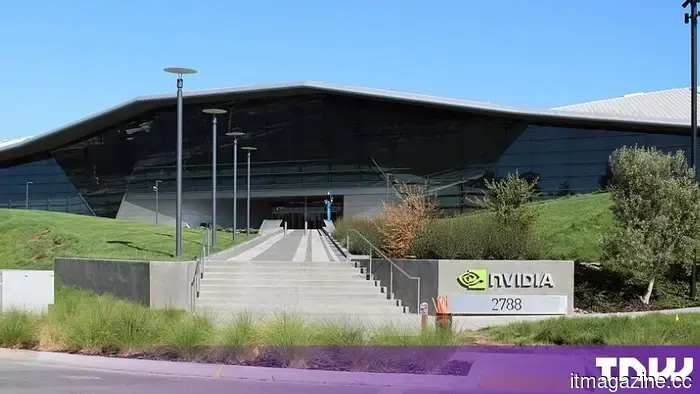 Nvidia announced a revenue of $96.2 billion for the second quarter.
Nvidia reported a revenue of $96.2 billion and provided its first forecast for the upcoming year, with the CFO specifically discussing circular financing during the call.
 Nvidia’s RTX Spark is preparing for significant PC games, including anti-cheat features.
RTX Spark is receiving support for significant PC titles like Apex Legends, F1 25, ARC Raiders, and THE FINALS, while Nvidia is also addressing anti-cheat functionality.
 I tuned in to Gamescom 2026 so you don't have to — here are 6 games that are worth the wait.
Gamescom 2026 offered a plethora of trailers and announcements, but these six titles — ranging from Metro 2039 to Nodus Fall — are the ones that have stayed with me.
Barret Zoph is returning to Google after six years and two startup ventures.
Barret Zoph, co-founder of Thinking Machines Lab, is set to join Google DeepMind as Vice President of Research, just weeks after Demis Hassabis stepped down from his role as CEO.