
The sideloading solution that Google pledged months ago is now being released.
Google is intentionally making sideloading more challenging, but there remains a way to do it.
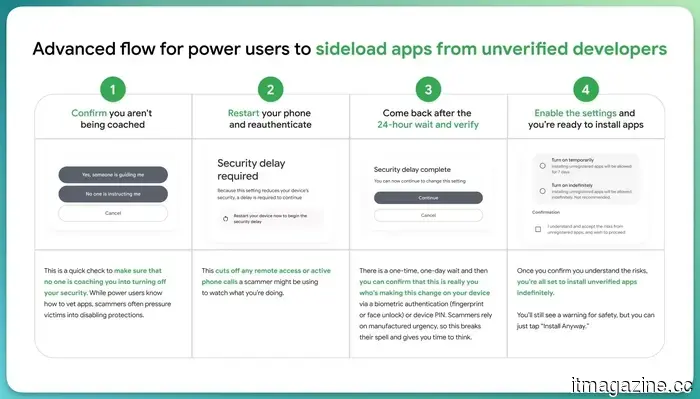
Google is now implementing the advanced sideloading process that it initially announced in March. This feature allows power users to install apps from unverified developers on certified devices, all without using ADB.
Initially, Google began asking developers to authenticate their identities before their apps could be installed on certified Android devices, regardless of whether the apps were downloaded from the Play Store, a third-party site, or sideloaded directly. The aim is to associate every app with a legitimate developer ID to prevent scammers from easily injecting malware onto devices.
What steps must you take to utilize the advanced process?
Not all developers will opt to verify themselves, so Google created this advanced process for users who still wish to retain that option. To enable it, you'll need to access the hidden Developer options menu, authenticate your identity, reboot your device, and wait a full 24 hours before sideloading apps from unverified sources.
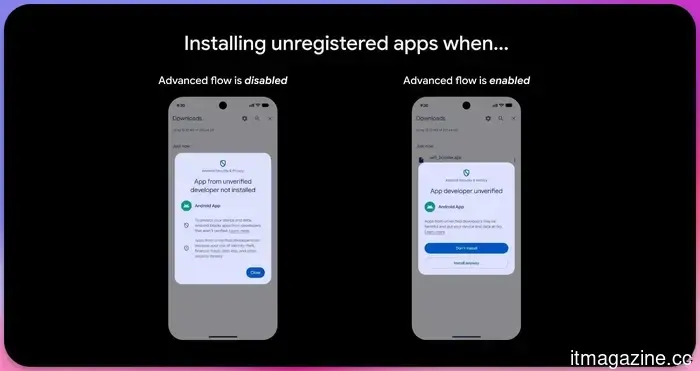
Even after completing these steps, Android will issue a warning each time you install or update an app from an unverified developer. You can bypass this warning by choosing "Install anyway," but the additional steps are deliberately designed. Google wants to protect regular users from being misled into installing questionable software.
The positive aspect is that you only need to enable this feature once. Google will remember your selection across all devices, so there's no need to repeat the process every time. If you choose to skip the advanced process altogether, ADB sideloading continues to function as it previously did.
When will this actually be available?
Don’t expect to see this feature on your phone immediately. Google needs to establish a new Android Developer Verifier system service running in the background first. You can manually download it from the Play Store to increase your chances of gaining early access.
According to a Reddit post by Mishaal Rahman, Google will start verifying installations from Google Play, Honor App Market, Oppo App Market, Galaxy Store, Palm Store, V-Appstore, and GetApps from September 30, 2026. This year, the enforcement will be limited to Brazil, Indonesia, Singapore, and Thailand, with a full global launch anticipated for 2027.
Rachit is an experienced technology journalist with over a decade of experience covering the consumer technology landscape.
I underestimated the Pixel 11, and now I’m eating my words.
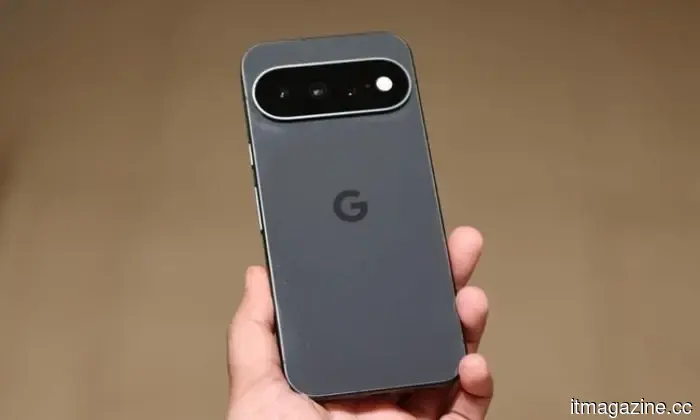
It's only been a week since Google launched the Pixel 11 series globally, and I have already been testing the Pixel 11 extensively. This is the standard version of the lineup, and at first glance, Google hasn’t altered the design or attempted to reinvent the successful elements from last year. You know what? I’m perfectly fine with that. I've always believed in the saying, "if it ain’t broke, don’t fix it," and it appears Google took that to heart with the Pixel 11. Many features that made the Pixel 10 successful are still present, albeit with a few modifications. While that might not sound particularly thrilling, after using the phone for the past few days, I've found myself enjoying it more than anticipated. Instead of dismissing it for its somewhat familiar appearance, I decided to give it a fair chance. And even though I am still putting it through various tests, several aspects of the Pixel 11 have already started to impress me.
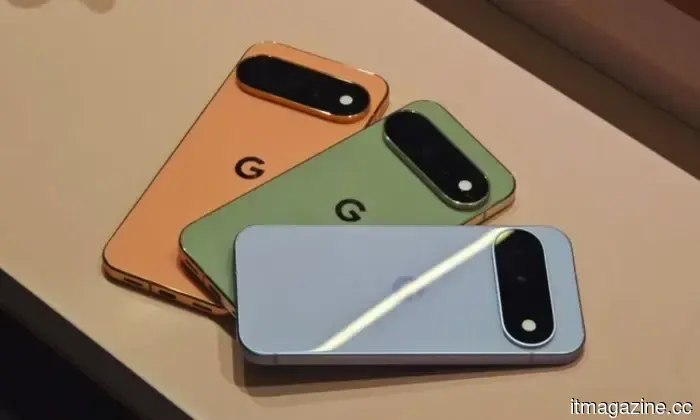
Google has now increased the prices for the entire Pixel 11 lineup, which was expected given the rising component costs and the current RAMmageddon situation. However, a new report suggests that there might be a solution on the horizon.
According to Nikkei Asia, Google plans to cease all Pixel device production in China by 2027, shifting manufacturing to India and Vietnam. This reported transition includes Pixel phones, smartwatches, and wireless earbuds as Google continues to lessen its dependence on Chinese manufacturing. As usual, there’s no assurance that any savings will be passed on to consumers. Nevertheless, reducing exposure to China amid fluctuating trade policies and rising component costs could grant the company increased flexibility regarding pricing future Pixels.
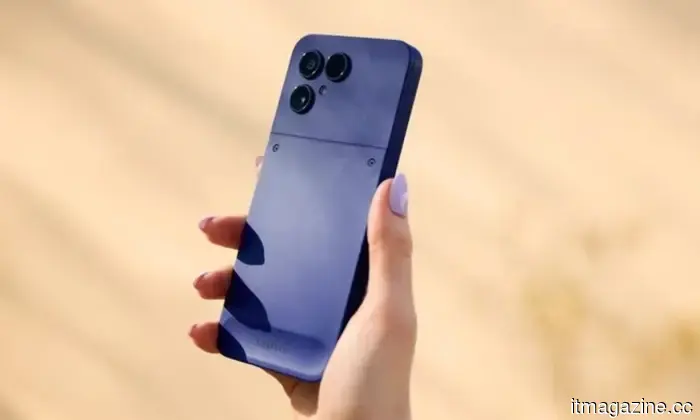
A phone that you can repair yourself is finally making its way to the US.
A smartphone designed for repair, rather than replacement, has officially arrived in the United States. Most U.S. smartphone purchasers tend to lean towards well-known brands such as Apple, Samsung, and Google. While these companies do create exceptional smartphones, they all tend to lack in the area of repairability. If you break the display, you're looking at repair costs exceeding $300. If you want to replace the battery, it will cost you at least $100, and even if you’re willing to pay, you cannot perform the repair yourself.

Other articles
 A watchdog organization claims that Meta is compensating influencers to oppose global restrictions on teenagers.
A report from the Tech Transparency Project indicates that Meta compensates influencers globally to support the argument that its Teen Accounts render social media bans for adolescents unnecessary.
A watchdog organization claims that Meta is compensating influencers to oppose global restrictions on teenagers.
A report from the Tech Transparency Project indicates that Meta compensates influencers globally to support the argument that its Teen Accounts render social media bans for adolescents unnecessary.
 Smart glasses priced at $100 can now observe, hear, and translate the surroundings.
A pair of AI smart glasses priced at $99.99 features a 12MP Sony camera, visual recognition, live translation, open-ear audio, and voice assistance, all within unremarkable-looking frames.
Smart glasses priced at $100 can now observe, hear, and translate the surroundings.
A pair of AI smart glasses priced at $99.99 features a 12MP Sony camera, visual recognition, live translation, open-ear audio, and voice assistance, all within unremarkable-looking frames.
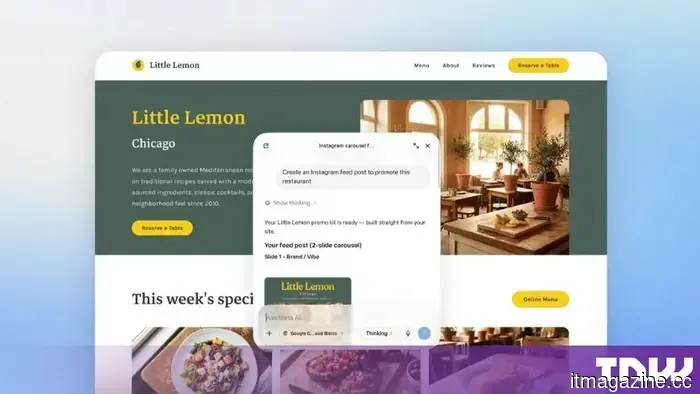 Meta introduced a Mac application designed to implement its AI technology for businesses.
Meta has launched a Mac application for Meta AI, aimed at creators and small businesses. The app integrates with Instagram, Facebook, and advertising accounts to provide suggestions on what to post.
Meta introduced a Mac application designed to implement its AI technology for businesses.
Meta has launched a Mac application for Meta AI, aimed at creators and small businesses. The app integrates with Instagram, Facebook, and advertising accounts to provide suggestions on what to post.
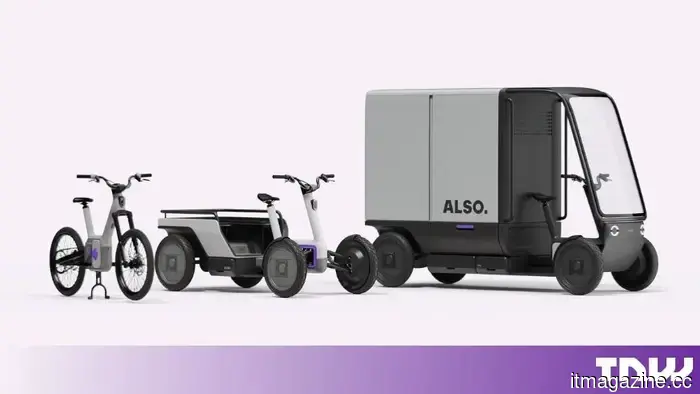 Rivian's spinout has also secured $150 million, and the electric bike is merely the starting point.
The Rivian spinout has secured $150 million at a valuation exceeding $1 billion. While it produces an e-bike, it states that the funds will be allocated for small autonomous delivery vehicles.
Rivian's spinout has also secured $150 million, and the electric bike is merely the starting point.
The Rivian spinout has secured $150 million at a valuation exceeding $1 billion. While it produces an e-bike, it states that the funds will be allocated for small autonomous delivery vehicles.
 A watchdog organization reports that Meta is compensating influencers to oppose teen bans globally.
A report from the Tech Transparency Project indicates that Meta compensates influencers globally to promote the idea that its Teen Accounts render social media restrictions for teenagers unnecessary.
A watchdog organization reports that Meta is compensating influencers to oppose teen bans globally.
A report from the Tech Transparency Project indicates that Meta compensates influencers globally to promote the idea that its Teen Accounts render social media restrictions for teenagers unnecessary.
 Marvell provides Google with a $12.2 billion share option as part of a custom-chip agreement.
Marvell granted Google a warrant to purchase as much as $12.2 billion of its stock, which will be activated as Google acquires its specialized AI chips. Marvell's stock surged, while Broadcom's declined.
Marvell provides Google with a $12.2 billion share option as part of a custom-chip agreement.
Marvell granted Google a warrant to purchase as much as $12.2 billion of its stock, which will be activated as Google acquires its specialized AI chips. Marvell's stock surged, while Broadcom's declined.
The sideloading solution that Google pledged months ago is now being released.
Google's enhanced sideloading process is now being implemented, allowing advanced users to bypass ADB. However, you'll have to toggle a setting, confirm your identity, and wait for a period of 24 hours before using it.