
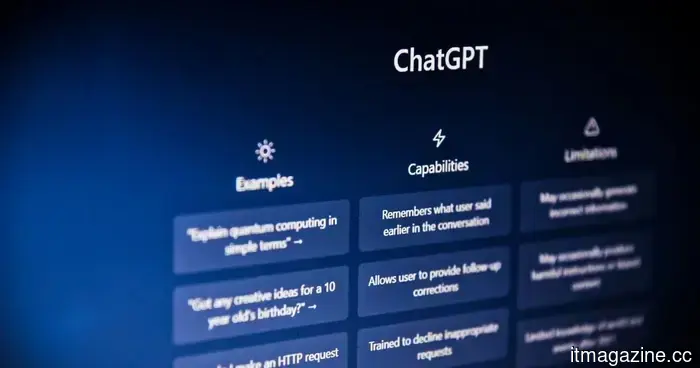
ChatGPT is introducing a version for teenagers, and I have many inquiries.
Whether you like it or not, ChatGPT is already pervasive. People utilize it to explore complex subjects, improve their writing, acquire new skills, organize their lives, and, in my case, ask a concerning number of questions I could have resolved myself. Teenagers are no exception. In fact, OpenAI states that nearly 90% of teens using ChatGPT turn to it for learning, gathering information, skill development, or completing tasks on a typical week. Instead of acting as if students won't engage with AI, OpenAI is taking a different route: providing them a version tailored specifically for them. The company has introduced ChatGPT for Teens, a new experience for users aged 13 to 17 designed with a focus on learning, better usage habits, and significantly enhanced safety measures.
ChatGPT aims to educate, not just provide answers.
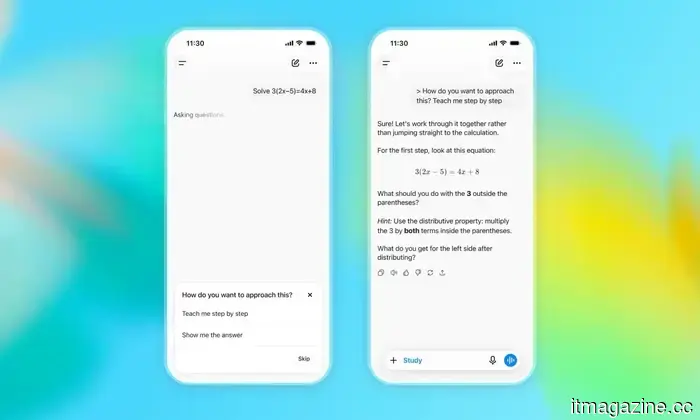
What piques my interest the most is OpenAI's stance on homework. Picture yourself studying for an exam while calculus suddenly complicates your evening. Rather than simply asking ChatGPT for the answer and copying it into your notes, the teen experience is structured to guide you through the problem, clarify concepts you struggle with, and check if you’ve genuinely grasped the material. This represents a far healthier role for AI in education. ChatGPT for Teens incorporates features like Study Mode, quizzes, learning visualizations, homework reminders, and designated study hours, striving to make ChatGPT a constantly accessible study partner.
OpenAI
OpenAI is extending this concept beyond ChatGPT as well. The organization has announced a collaboration with CodeAI to provide students and teachers with tools for enhancing AI literacy. Rather than solely instructing students on how to prompt a chatbot, the initiative aims to help them comprehend how AI functions, critically evaluate its outputs, navigate it effectively, and ultimately enable them to create their own projects. This distinction is crucial. Today’s teenagers are not entering a world where AI will simply vanish post-graduation. Learning when to trust AI, when to question it, and when to avoid using it could be just as vital as learning how to utilize it initially.
Helpful? Certainly. Human? Let’s not exaggerate.
Naturally, when placing a powerful AI chatbot in front of teenagers, safety becomes a significantly greater concern. OpenAI is implementing stricter safeguards for accounts belonging to users under 18, especially regarding sensitive subjects like graphic violence, dangerous behaviors, unhealthy eating habits, extreme beauty ideals, and sexual or romantic role-playing. Equally crucial is establishing boundaries around how ChatGPT interacts with teenagers on a personal level. The chatbot should not foster emotional dependence, assert that it has genuine feelings, or lead users to believe there is human-like consciousness behind its responses. This may seem like a minor detail, but considering how natural these conversations have become, it's easy to forget that one is communicating with software when an AI can respond instantly, retain the context of the discussion, and engage at 2 AM when no one else is available.
OpenAI
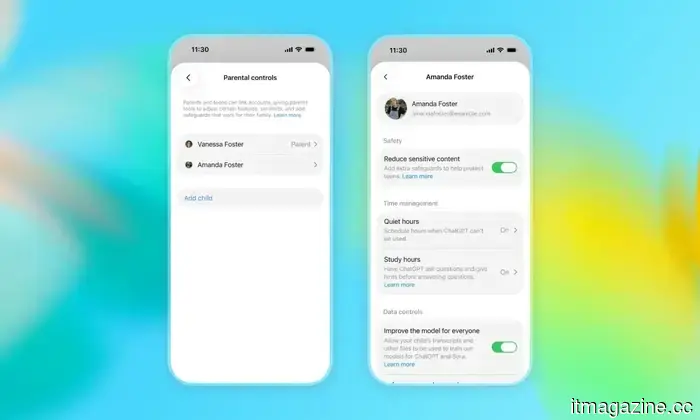
The company plans to introduce smaller reminders to emphasize this distinction. Teens will receive alerts before uploading potentially private or sensitive images, while a dedicated onboarding process will outline the learning and safety tools at their disposal. Additionally, there will be break reminders encouraging teens to take periodic breaks from ChatGPT. They can still personalize the experience by adjusting elements like the accent color or voice, but ChatGPT is intended to make it evident that it remains an AI. Parents are also given some control features. Through linked accounts, they can manage specific settings and establish Quiet Hours. In certain high-risk scenarios, they may also receive safety alerts to help them intervene when offline support might be beneficial.
I’m cautiously optimistic, though with significant reservations.
While this appears to be a positive move, OpenAI still has considerable work ahead, especially concerning teenagers using ChatGPT. We've already encountered serious issues with AI-generated deepfakes, individuals relying on chatbots during emotional crises, and discussions that likely require a trusted person, not an AI model, on the other end.
OpenAI
This leaves me questioning how comfortable parents will really feel about all of this. Will these protections be sufficient for them to trust ChatGPT with their teenagers? I'm not entirely convinced yet. Nevertheless, AI is rapidly becoming integral to how younger individuals learn, communicate, and create. Keeping them entirely distanced from it is probably no longer feasible. Assisting teens in understanding how to use AI responsibly while recognizing when to disengage and consult a real person may ultimately prove to be the more critical lesson.

Other articles
 Nvidia's H200 has eventually made its way to Chinese customers, although it may not be available in mainland China.
According to the FT, ByteDance and Tencent have both acquired approximately 10,000 Nvidia H200 chips, but Beijing is requesting that the hardware be stored in Hong Kong.
Nvidia's H200 has eventually made its way to Chinese customers, although it may not be available in mainland China.
According to the FT, ByteDance and Tencent have both acquired approximately 10,000 Nvidia H200 chips, but Beijing is requesting that the hardware be stored in Hong Kong.
 Pennsylvania has recently become one of the most challenging states in the US for constructing a data center.
Governor Josh Shapiro's executive order removes AI data centers from Pennsylvania's expedited permitting process and requires developers to cover their own energy expenses.
Pennsylvania has recently become one of the most challenging states in the US for constructing a data center.
Governor Josh Shapiro's executive order removes AI data centers from Pennsylvania's expedited permitting process and requires developers to cover their own energy expenses.
 Nvidia's H200 has finally arrived for Chinese consumers, although it may not be available in mainland China.
According to the Financial Times, ByteDance and Tencent have each acquired approximately 10,000 Nvidia H200 chips, but Beijing prefers that the equipment be stored in Hong Kong.
Nvidia's H200 has finally arrived for Chinese consumers, although it may not be available in mainland China.
According to the Financial Times, ByteDance and Tencent have each acquired approximately 10,000 Nvidia H200 chips, but Beijing prefers that the equipment be stored in Hong Kong.
 From intelligent cockpits to AI-driven vehicles, Banma Intelligence is focused on the upcoming evolution of automotive software.
As extensive AI models increasingly become part of vehicles, the competitive landscape of smart cars is evolving. Previously, intelligent cockpits
From intelligent cockpits to AI-driven vehicles, Banma Intelligence is focused on the upcoming evolution of automotive software.
As extensive AI models increasingly become part of vehicles, the competitive landscape of smart cars is evolving. Previously, intelligent cockpits
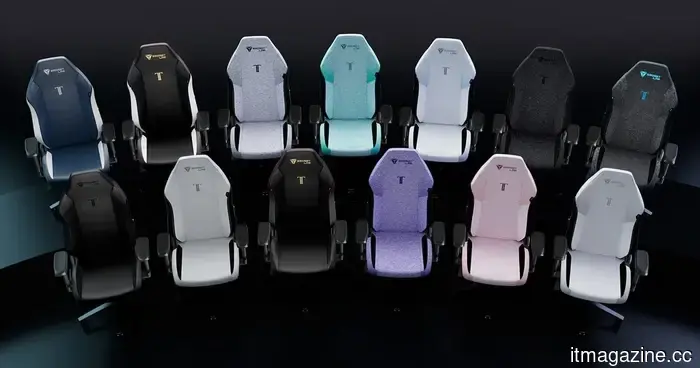 The Top Gaming Chairs to Look Out for in 2026
A gaming chair may appear stylish but can still have you adjusting your position after just an hour. The true distinction becomes evident when brief matches extend into lengthy gaming sessions. Here’s what differentiates appealing design from a chair designed for extended comfort.
The Top Gaming Chairs to Look Out for in 2026
A gaming chair may appear stylish but can still have you adjusting your position after just an hour. The true distinction becomes evident when brief matches extend into lengthy gaming sessions. Here’s what differentiates appealing design from a chair designed for extended comfort.
 China's AI coalition continues to expand, while Washington urges nations to make a choice.
China's World AI Cooperation Organisation has expanded from 29 to 38 members, based on a "digital sovereignty" principle it submitted to the UN in July.
China's AI coalition continues to expand, while Washington urges nations to make a choice.
China's World AI Cooperation Organisation has expanded from 29 to 38 members, based on a "digital sovereignty" principle it submitted to the UN in July.
ChatGPT is introducing a version for teenagers, and I have many inquiries.
Teenagers are increasingly utilizing AI for their homework and beyond. OpenAI’s latest ChatGPT experience aims to ensure that they are genuinely learning from it, incorporating some significant safeguards in the process.