

Alphabet has raised A$5.5 billion in Australia, surpassing the record set by Apple in 2015 by more than double.
On Wednesday, Alphabet issued its first Australian dollar bond at A$5.5 billion, approximately US$3.9 billion, which is around 10% more than the market anticipated when the deal was initially announced earlier in the week. This marks the largest corporate bond issuance ever in the Australian market.
The company engaged banks on Monday for a four-part transaction estimated at about A$5 billion. Demand exceeded expectations, prompting Alphabet to raise the amount by an additional half a billion.
Previously, the record was held by Apple, which issued A$2.25 billion in 2015—this was also the last time a major American tech firm issued bonds in Australian dollars. Alphabet has more than doubled that amount after a decade-long gap without such issuances.
The deal consisted of four tranches with maturities of three, five, ten, and twenty years, and the two shorter durations were offered in both fixed and floating rates. The 20-year tranche features a 6.9% coupon, according to the term sheet, with ANZ, Deutsche Bank, RBC Capital Markets, and TD Securities managing the offering.
Details regarding tranche sizes, spreads over swaps, and the order book were not disclosed. Alphabet holds an Aa2 rating from Moody’s and AA+ from S&P, both with stable outlooks.
The motives behind the issuance are clear. In July, Alphabet raised its capital expenditure guidance for 2026 to between $195 billion and $205 billion and simultaneously reported its first negative free cash flow of $5.9 billion as a public company. This financial situation turns a treasury operation into a necessity. In just the second quarter, capital expenditures reached $44.9 billion against revenues of $119.8 billion and a Google Cloud backlog of $514 billion. Helen Mason of Schroders remarked that "the capital expenditure commitments ... have clearly exceeded the free cash flow their underlying businesses can generate" for the hyperscalers in general.
Australia marks the seventh currency in which Alphabet has borrowed over the past eighteen months. It has issued in US dollars—$25 billion earlier this month—along with euros, sterling (including a rare 100-year tranche), Swiss francs, Canadian dollars, and a debut samurai bond in yen.
The cumulative effect of these transactions is more apparent on the balance sheet than in any single issuance. Total debt has increased from around $12 billion at the end of 2024 to about $102 billion, with more than $114 billion issued since 2025. In June, Alphabet also raised equity of about $85 billion, which includes a $10 billion private placement with Berkshire Hathaway.
It is important to note that Alphabet is not acting independently; Amazon set the Canadian dollar record at C$14 billion in June, shortly after Alphabet’s own C$8.5 billion issuance claimed the title. The five largest hyperscalers have together issued a record $159 billion in bonds to finance AI initiatives.
The data driving this wave continues to trend upwards. Hyperscaler bond issuances reached around $194 billion in the first seven months of 2026, approximately 80% higher than the same period last year. Additionally, consensus estimates for industry-wide AI capital expenditures this year have risen to over $730 billion from $485 billion in January.
Smaller currency markets are particularly conducive to this kind of borrowing due to their underutilization. Foreign issuances in Australian dollars have amounted to about A$60 billion this year, which is around 40% higher than 2025, positioning it as the third-largest bond market globally by some metrics.
Chamath De Silva, head of fixed income at Betashares, stated before the deal was priced, "An Alphabet transaction would begin to change that, broadening the opportunity set for Australian investors while increasing technology representation in the Australian corporate bond market."
However, there is an awkward local caveat. Google suspended a planned $20 billion Australian data center investment in March due to concerns over tax treatment regarding a permanent establishment, clarifying that it was “not asking for incentives, public funds, or changes to the treatment of its existing businesses.”
There is currently no connection made between the bond proceeds and that project, which remains on hold. Alphabet has now raised more capital in Australia than any company has before, even as its largest planned local investment is still stalled.
Other articles
 Anthropic is arranging supervoting shares for its founders prior to the IPO.
According to The Information, Anthropic is getting ready to issue supervoting shares for Dario Amodei and its founders ahead of its IPO. Amodei currently holds approximately 2% of the company.
Anthropic is arranging supervoting shares for its founders prior to the IPO.
According to The Information, Anthropic is getting ready to issue supervoting shares for Dario Amodei and its founders ahead of its IPO. Amodei currently holds approximately 2% of the company.
 Recently leaked footage of GTA 6 reveals Jason shooting basketball and creating havoc on the streets.
New footage of GTA 6 has surfaced before Rockstar's scheduled announcement, displaying Jason engaging in activities like playing basketball, driving, and interacting with systems that may enhance gameplay depth.
Recently leaked footage of GTA 6 reveals Jason shooting basketball and creating havoc on the streets.
New footage of GTA 6 has surfaced before Rockstar's scheduled announcement, displaying Jason engaging in activities like playing basketball, driving, and interacting with systems that may enhance gameplay depth.
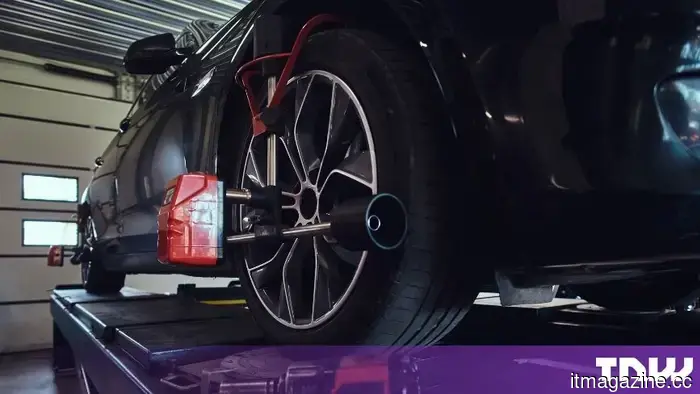 California's new tire regulation is more stringent than Europe's, which has had a standard in place since 2012.
California has enacted the first efficiency standard for replacement tires in the United States. Since 2012, Europe has implemented a standard for rolling resistance, although it is a less stringent one.
California's new tire regulation is more stringent than Europe's, which has had a standard in place since 2012.
California has enacted the first efficiency standard for replacement tires in the United States. Since 2012, Europe has implemented a standard for rolling resistance, although it is a less stringent one.
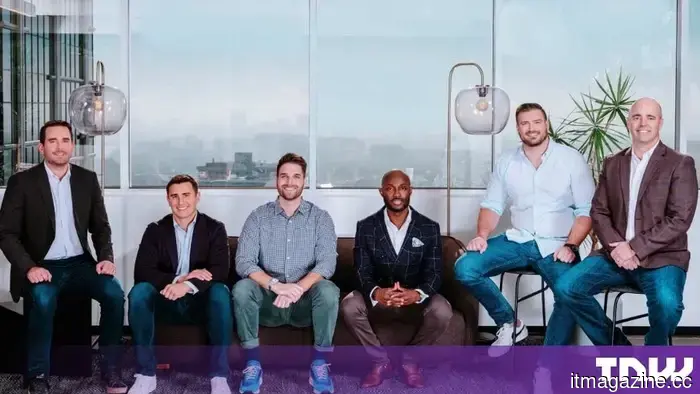 Prevalent AI secures $22 million to address the data issues contributing to unsuccessful AI initiatives.
London's Prevalent AI has secured $22 million from Integrity Growth Partners, marking its first major funding in nine years, to facilitate its expansion into the US market.
Prevalent AI secures $22 million to address the data issues contributing to unsuccessful AI initiatives.
London's Prevalent AI has secured $22 million from Integrity Growth Partners, marking its first major funding in nine years, to facilitate its expansion into the US market.
 The Top Ergonomic Office Chairs of 2026
Extended hours at your workstation require more than just a standard office chair. If you're enhancing your home office or substituting an old chair, these ergonomic options are crafted to ensure your comfort and support during the entire workday.
The Top Ergonomic Office Chairs of 2026
Extended hours at your workstation require more than just a standard office chair. If you're enhancing your home office or substituting an old chair, these ergonomic options are crafted to ensure your comfort and support during the entire workday.
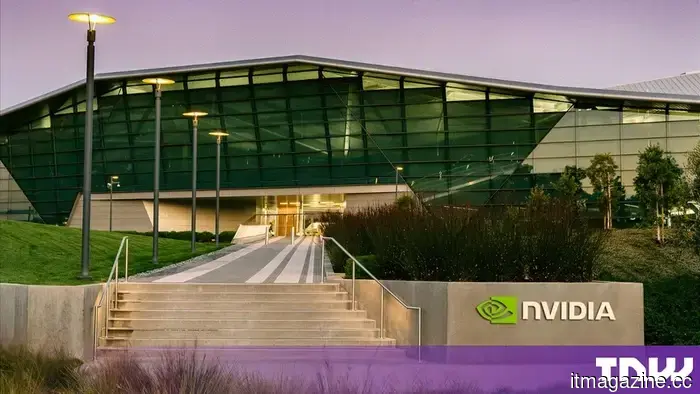 Nvidia's H200 has finally arrived for Chinese consumers, although it may not be available in mainland China.
According to the Financial Times, ByteDance and Tencent have each acquired approximately 10,000 Nvidia H200 chips, but Beijing prefers that the equipment be stored in Hong Kong.
Nvidia's H200 has finally arrived for Chinese consumers, although it may not be available in mainland China.
According to the Financial Times, ByteDance and Tencent have each acquired approximately 10,000 Nvidia H200 chips, but Beijing prefers that the equipment be stored in Hong Kong.
Alphabet has raised A$5.5 billion in Australia, surpassing the record set by Apple in 2015 by more than double.
Alphabet has issued its inaugural Australian dollar bond at A$5.5 billion (US$3.9 billion), marking the largest corporate bond issuance in the history of Australia and exceeding the anticipated A$5 billion.