
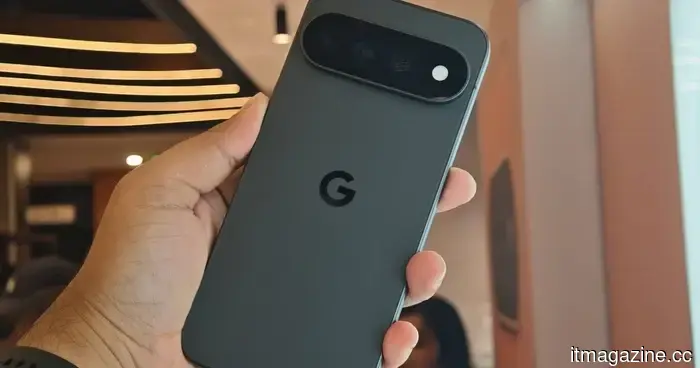
The Pixel 11 Pro is an impressive device, and its camera has finally inspired me to try new things.
Google has already produced some beautiful smartphones, and the new Pixel 11 Pro series looks even more impressive. Recent Pixel Pro models have been among the most high-end Android devices I've interacted with, and just a few moments with the Pixel 11 Pro and Pixel 11 Pro XL made it clear that Google is further refining its approach.
The Pixel 11 serves as a surprisingly attractive base flagship, while the Pixel 11 Pro and Pixel 11 Pro XL maintain the same strong initial impressions. The devices are lighter, the camera visor is sleeker, the displays are brighter, and the smaller Pro now benefits from quicker Pixelsnap charging. Google has also introduced HiLight, offering a fresh way to engage with its camera software.
Unfortunately, I couldn't thoroughly explore the new Gemini features since Google’s demo units weren't logged into personal accounts, and aspects like performance, battery life, and thermals will require more in-depth testing. Nevertheless, my initial experience left a very positive impression.
Vikhyaat Vivek / Digital Trends
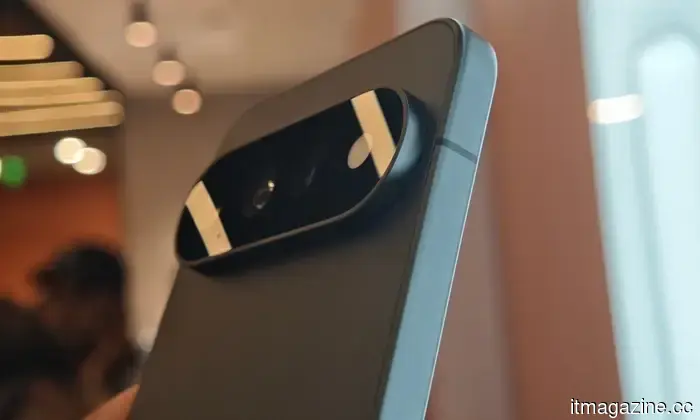
The matte Obsidian Pixel 11 Pro is stunning
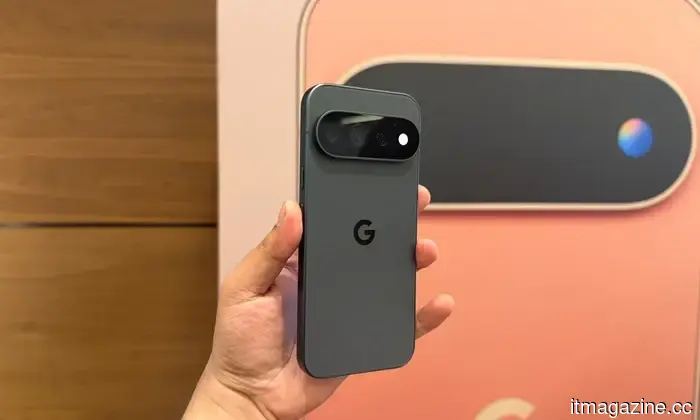
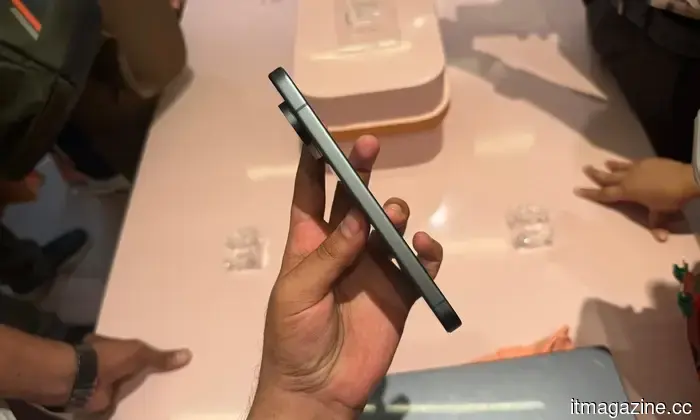
The revamped camera visor was the first enhancement I noticed. Google retains its well-known pill shape, but the housing is now positioned much closer to the rear panel. When viewed from the side, this difference is particularly pronounced. The cameras still protrude, but they're significantly less prominent.
Google has managed to reduce the weight slightly. Although the change may not be noticeable in practical terms. The Pixel 11 Pro's weight decreases from 207 grams to 204 grams, while the Pro XL sees a drop from 232 grams to 226 grams compared to their Pixel 10 counterparts. The most significant improvement in design is the new matte Obsidian colorway.
Vikhyaat Vivek / Digital Trends
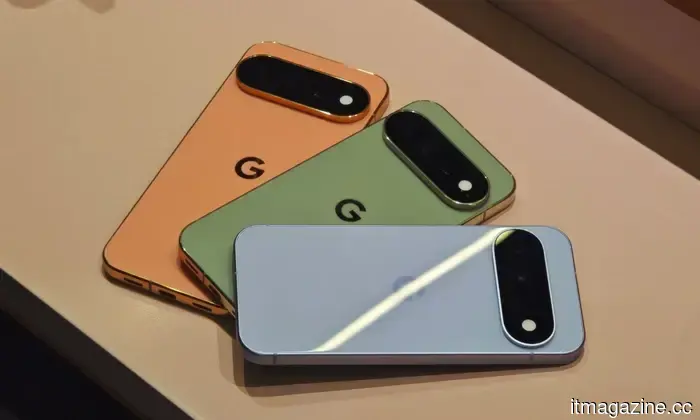
I have appreciated the shinier frames and finishes from previous Pixels, but this matte texture quickly became my favorite among the new color options. The dark camera visor, understated rear, and coordinating Google logo create a nearly stealthy look. While the other colors have more personality, this is the Pixel 11 Pro I would consider purchasing.
HiLight is smart. I want to see more of it.
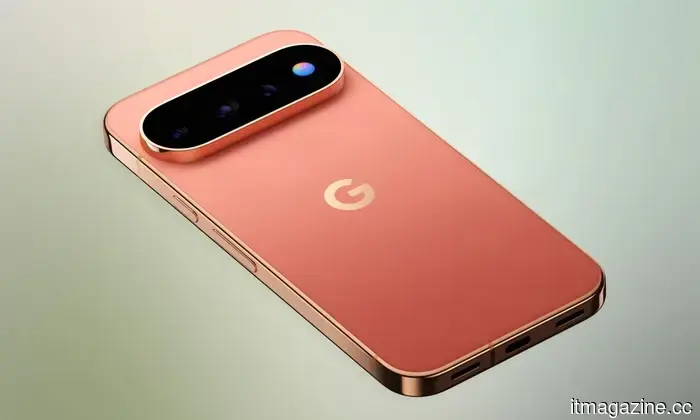
HiLight is likely the smallest addition to the Pixel 11 Pro, yet it left a significant impression. Google utilizes subtle colored lighting around the rear flash when the phone is positioned face down. Currently, it primarily signals calls from favorite contacts and provides visual feedback during hands-free Gemini interactions.
Google
At this point, the potential is clear. A discreet rear light is an excellent way to convey information without lighting up the entire screen. I’d love to assign colors to messaging apps or use it for timers, charging status, or select notifications like reminders.
Google already has the necessary hardware in place. Now, I want Google to enhance its functionality to provide more information.
The Pixel camera finally encourages experimentation.
Vikhyaat Vivek / Digital Trends
Pixels have spent years perfecting a reliable point-and-shoot camera experience. You take the phone out, press the shutter, and Google’s processing usually delivers satisfactory results. Camera Coach on the Pixel 10 series added guidance to this approach by using Gemini to suggest framing, lighting, zoom, composition, and suitable modes.
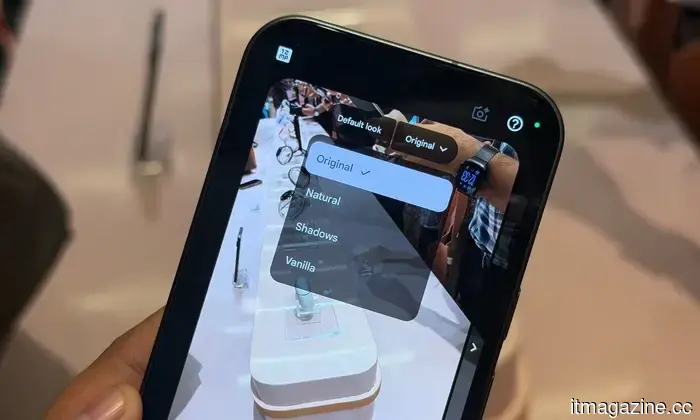
However, the Pixel 11 series appears to take a more serious approach. I didn't expect many changes in the camera app of the new Pixels, but Camera Looks surprised me. Now, you don’t have to accept Google’s processing every single time. You can opt for Natural for a softer detail approach, Shadows for richer contrast, or Vanilla for a warmer vibe.
Vikhyaat Vivek / Digital Trends
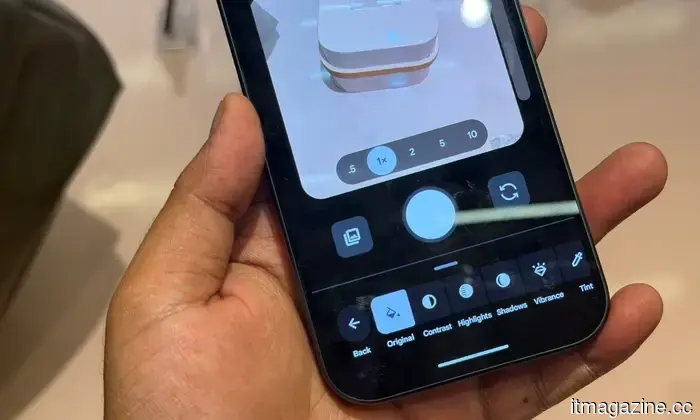
There are also various preset filters—Digi, Black Tie, Minimal, Editorial, Classic, and Velvet—that take things a step further. Additionally, Google allows for further customization. In the demo units’ camera interface, I could modify contrast, highlights, shadows, vibrance, and tint directly.
I appreciate this development. I've enjoyed Leica’s various photographic styles on Xiaomi devices because selecting a style for your photos makes the experience much more engaging. Google has been known for providing reliability, but the Pixel 11 is starting to give me greater creative control over the outcomes.
Vikhyaat Vivek / Digital Trends
I couldn’t accurately evaluate image quality in the crowded demo space, but this feature holds significant potential, especially with the new camera hardware upgrade. The Pixel 11 Pro and Pixel 11 Pro XL feature a new 48MP 5x telephoto with a larger sensor, while Google’s computational photography allows Pro Zoom to reach 120x. Instant Night Sight can also capture low-light images up to 4.5 times faster, as noted by Google.
The practical upgrades are sensible.
Several other enhancements focus on everyday usability. Both Super Actua displays now achieve 3,600 nits, an upgrade from 3,300 nits on the Pixel 10 Pro series. They appeared remarkably bright under
Other articles
 Apple developed its own AI model for China and then provided the technology to Alibaba.
Apple, with assistance from Alibaba, has developed a large language model exclusively for China, making it the first foreign company authorized to provide a proprietary AI model in mainland China.
Apple developed its own AI model for China and then provided the technology to Alibaba.
Apple, with assistance from Alibaba, has developed a large language model exclusively for China, making it the first foreign company authorized to provide a proprietary AI model in mainland China.
 Apple developed its own AI model specifically for China and handed it over to Alibaba.
Apple has developed a large language model specifically for China with assistance from Alibaba, making it the first foreign company authorized to provide a proprietary AI model in mainland China.
Apple developed its own AI model specifically for China and handed it over to Alibaba.
Apple has developed a large language model specifically for China with assistance from Alibaba, making it the first foreign company authorized to provide a proprietary AI model in mainland China.
 Goldman Sachs is seeking investors for Nvidia's $500 billion financing agreement related to AI computing.
Goldman Sachs is seeking investors for Nvidia's $500 billion AI-compute financing arrangement after securing a leadership position, with the aim of transforming chips into a tradable asset class similar to bonds.
Goldman Sachs is seeking investors for Nvidia's $500 billion financing agreement related to AI computing.
Goldman Sachs is seeking investors for Nvidia's $500 billion AI-compute financing arrangement after securing a leadership position, with the aim of transforming chips into a tradable asset class similar to bonds.
 Silver Lake is said to be in discussions to acquire Workday and take it private for $43 billion.
Silver Lake is said to be negotiating to acquire Workday and take it private for approximately $43 billion, which would make it one of the biggest software buyouts in history and the first significant take-private deal involving a prominent SaaS company.
Silver Lake is said to be in discussions to acquire Workday and take it private for $43 billion.
Silver Lake is said to be negotiating to acquire Workday and take it private for approximately $43 billion, which would make it one of the biggest software buyouts in history and the first significant take-private deal involving a prominent SaaS company.
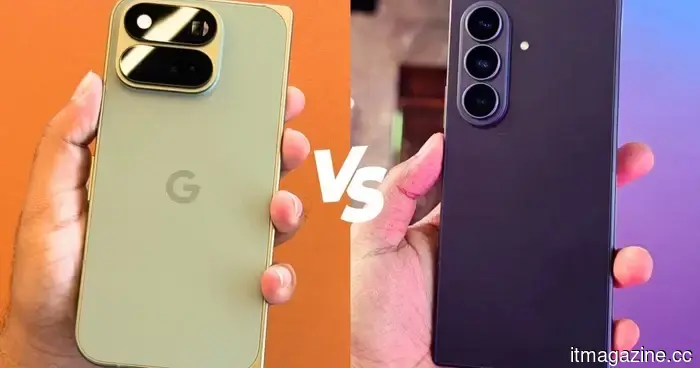 Pixel 11 Pro Fold vs. Galaxy Z Fold 8 Ultra: Google takes a cautious approach while Samsung fully commits.
The Pixel 11 Pro Fold and Galaxy Z Fold 8 Ultra pursue different approaches to achieve a similar objective. Here’s a comparison to help you decide which foldable suits you better.
Pixel 11 Pro Fold vs. Galaxy Z Fold 8 Ultra: Google takes a cautious approach while Samsung fully commits.
The Pixel 11 Pro Fold and Galaxy Z Fold 8 Ultra pursue different approaches to achieve a similar objective. Here’s a comparison to help you decide which foldable suits you better.
 OpenAI’s new Ultrafast mode operates GPT-5.6 Sol at a speed 14 times quicker, utilizing Cerebras chips.
OpenAI has unveiled Ultrafast, an API tier that operates GPT-5.6 Sol at speeds of up to 14 times faster on Cerebras hardware, claiming that latency, in addition to intelligence, is crucial for the usability of AI agents.
OpenAI’s new Ultrafast mode operates GPT-5.6 Sol at a speed 14 times quicker, utilizing Cerebras chips.
OpenAI has unveiled Ultrafast, an API tier that operates GPT-5.6 Sol at speeds of up to 14 times faster on Cerebras hardware, claiming that latency, in addition to intelligence, is crucial for the usability of AI agents.
The Pixel 11 Pro is an impressive device, and its camera has finally inspired me to try new things.
Hands-on with the Google Pixel 11 Pro and Pixel 11 Pro XL: Initial thoughts on Google’s latest flagship devices.