
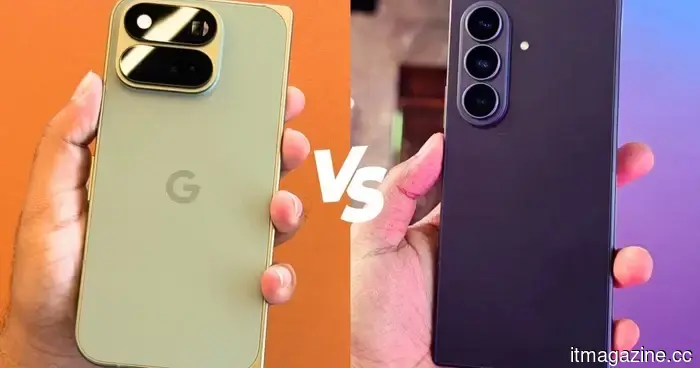
Pixel 11 Pro Fold vs. Galaxy Z Fold 8 Ultra: Google takes a cautious approach while Samsung fully commits.
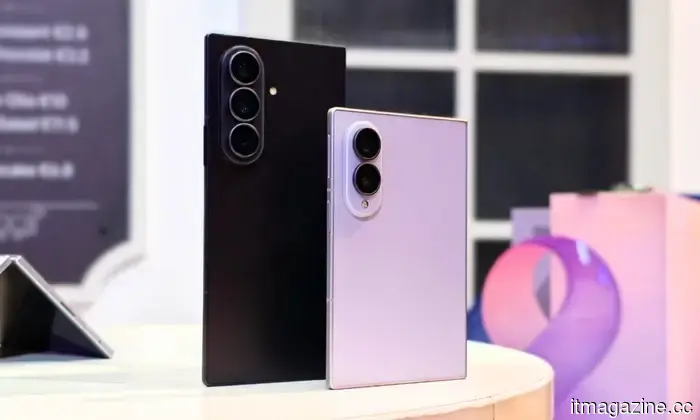
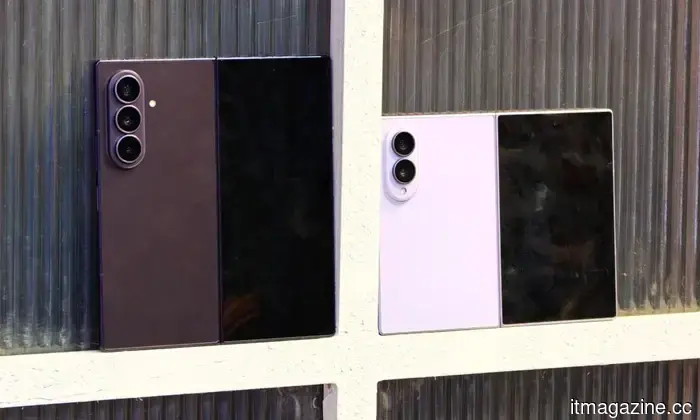
Although both Google and Samsung contend that a book-style foldable can serve as a tablet replacement while preserving the key features of a traditional flagship smartphone, they have developed two distinctly different devices to support this claim.
The Pixel 11 Pro Fold relies on Google's software capabilities and stands out with a genuinely impressive durability rating, while the Galaxy Z Fold 8 Ultra emphasizes powerful hardware, a 200MP camera, and Samsung's most advanced multitasking software to date. So, which one is more suitable for you? Let’s explore this in detail through a comprehensive comparison of the two devices.
**Google Pixel 11 Pro Fold vs. Galaxy Z Fold 8 Ultra: Quick Specs Overview**
| Feature | Pixel 11 Pro Fold | Galaxy Z Fold 8 Ultra |
|--------------------------------|---------------------------------------------------------|-----------------------------------------------------------|
| Price | ₹1,899 (16GB/256GB) | $2,100 (12GB/256GB) |
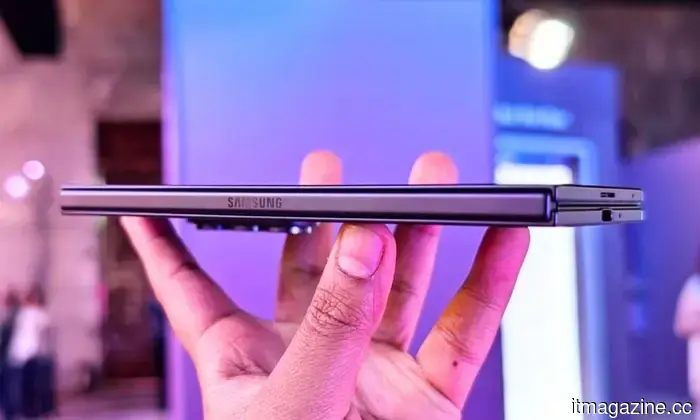
| Weight / Thickness (folded) | 239g / 10.1mm | 215g / 8.9mm |
| Build | IP68 dust and water resistance (up to 1.5m for 30 mins) | IP48 dust and water resistance (dust > 1mm; up to 1.5m for 30 mins) |
| Cover display | 6.5″, Super Actua OLED, 1080 x 2342 (399 ppi), 120Hz, up to 3,600 nits peak | 6.5″, Dynamic AMOLED 2X, 1080 x 2520 (422 ppi), 120Hz, up to 3,000 nits peak |
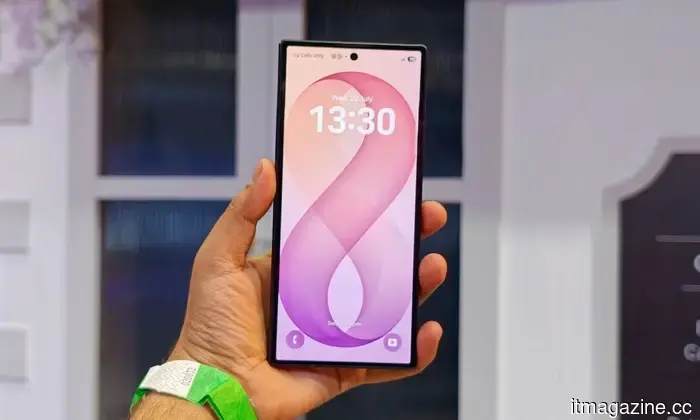
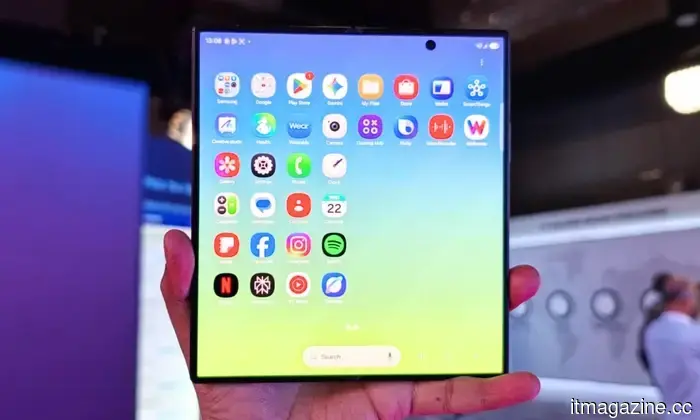
| Inner display | 8″, Super Actua Flex OLED, 2076 x 2152 (372 ppi), 120Hz, up to 3,600 nits peak | 8″, Dynamic AMOLED 2X, 2256 x 2504 (422 ppi), 120Hz, up to 3,000 nits peak |
| Chipset | Google Tensor G6 + Titan M3 | Snapdragon 8 Elite Gen 5 for Galaxy |
| RAM / Storage | 16GB/256GB, 16GB/512GB | 12GB/256GB, 12GB/512GB, 16GB/1TB |
| Rear cameras | 48MP wide (f/1.7, 1/1.56”) + 10.5MP ultrawide (f/2.2, 1/3.4”) + 10.8MP 5x telephoto (f/3.1, 1/3.2”) | 200MP wide (f/1.7, 1/1.3”) + 50MP ultrawide (f/1.9, 1/2.5”) + 10MP 3x telephoto (f/2.4, 1/3.94”) |
| Selfie / inner camera | 10MP PDAF, both cover and inner | 10MP fixed-focus, both cover and inner |
| Battery | 4,806 mAh, 30W wired (50% in 30 min), 25W wireless | 5,000 mAh, 45W wired (67% in 30 min), 20W wireless |
| OS | Android 17, 7 years of OS, security, and Pixel Drop updates | Android 17 (One UI 9), 7 years of OS updates |
**Advantages of the Pixel 11 Pro Fold**
*Design and Display*
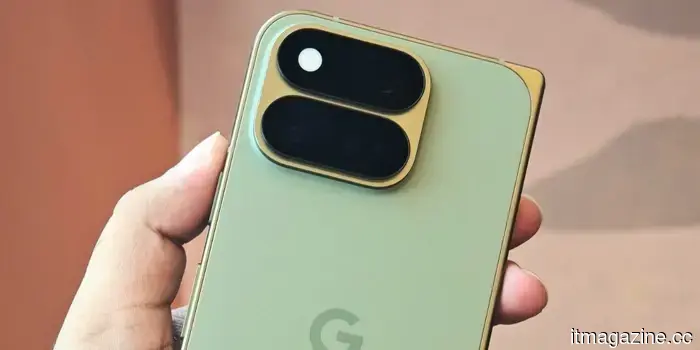
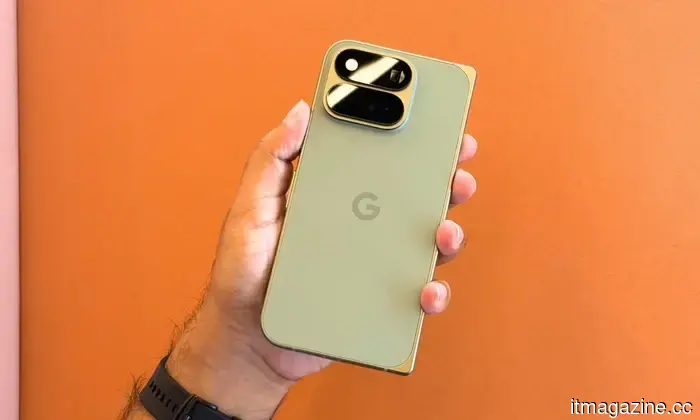
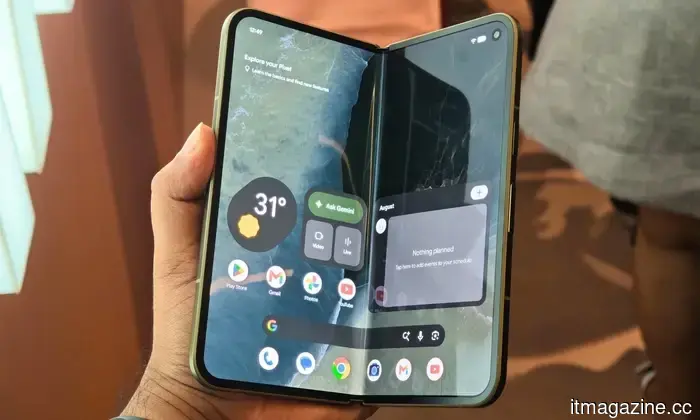
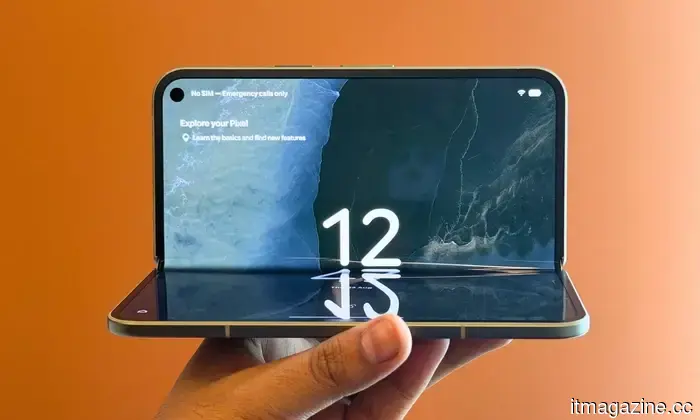
Firstly, I would like to highlight what I believe is the most significant aspect: IP68 certification. The Pixel 11 Pro Fold can withstand complete submersion, unlike just splashes, which is a true engineering achievement for a device with a hinge, something Samsung has yet to achieve with this generation of Fold models. For a foldable device, this feature addresses one of the major durability concerns.
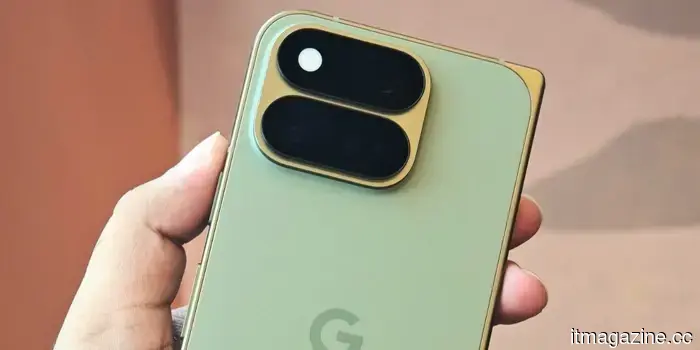
Additionally, it includes brighter cover and inner displays, enhancing visibility both indoors and outdoors, particularly in direct sunlight. The Pixel 11 Pro Fold also incorporates the new HiLight RGB light surrounding the LED flash. Although its potential hasn't been fully explored by Google, it remains an interesting feature.
*Memory*
In terms of RAM, Google excels in value. Every configuration of the Pixel 11 Pro Fold, whether it is the base 256GB, 512GB, or 1TB options, comes with 16GB of RAM. This provides the flexibility to keep multiple apps active in memory and reduces multitasking slowdowns.
On the other hand, the baseline Galaxy Z Fold 8 Ultra starts with 12GB of
Other articles
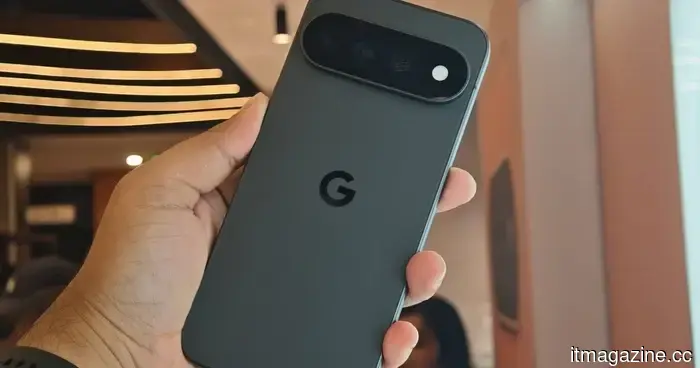 The Pixel 11 Pro is an impressive device, and its camera has finally inspired me to try new things.
Hands-on with the Google Pixel 11 Pro and Pixel 11 Pro XL: Initial thoughts on Google’s latest flagship devices.
The Pixel 11 Pro is an impressive device, and its camera has finally inspired me to try new things.
Hands-on with the Google Pixel 11 Pro and Pixel 11 Pro XL: Initial thoughts on Google’s latest flagship devices.
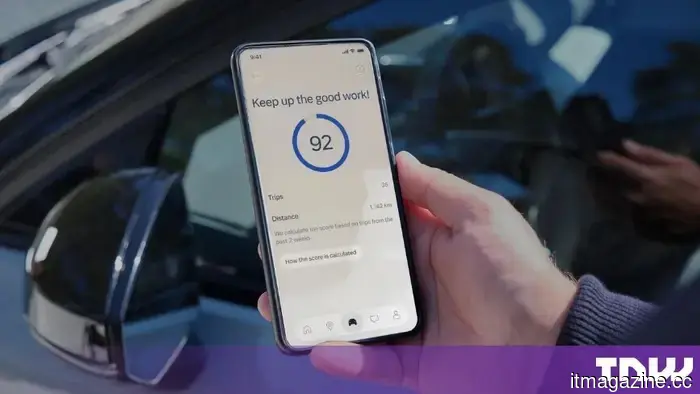 Volvo's latest app evaluates your driving and shares the score with your insurance provider.
Volvo's Safety Coach app evaluates braking, acceleration, and cornering, and drivers who share their data can obtain lower insurance rates. It is set to launch this month.
Volvo's latest app evaluates your driving and shares the score with your insurance provider.
Volvo's Safety Coach app evaluates braking, acceleration, and cornering, and drivers who share their data can obtain lower insurance rates. It is set to launch this month.
 Apple developed its own AI model specifically for China and handed it over to Alibaba.
Apple has developed a large language model specifically for China with assistance from Alibaba, making it the first foreign company authorized to provide a proprietary AI model in mainland China.
Apple developed its own AI model specifically for China and handed it over to Alibaba.
Apple has developed a large language model specifically for China with assistance from Alibaba, making it the first foreign company authorized to provide a proprietary AI model in mainland China.
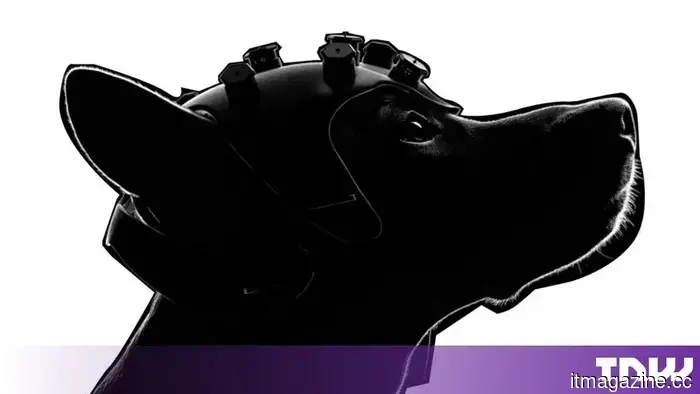 This Bengaluru-based startup is educating dogs and artificial intelligence to detect cancer at an early stage.
Dognosis, a startup based in Bengaluru, combines trained sniffer dogs with AI technology to detect early signs of cancer from breath samples. Currently, it is a prescreening tool undergoing trials and has not yet been established as a definitive diagnostic method.
This Bengaluru-based startup is educating dogs and artificial intelligence to detect cancer at an early stage.
Dognosis, a startup based in Bengaluru, combines trained sniffer dogs with AI technology to detect early signs of cancer from breath samples. Currently, it is a prescreening tool undergoing trials and has not yet been established as a definitive diagnostic method.
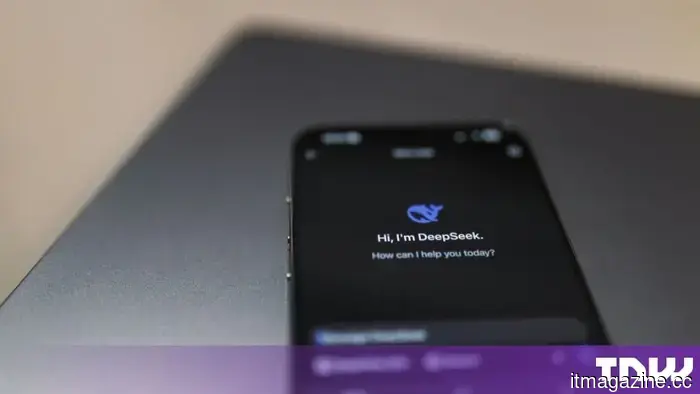 DeepSeek developed a competitor to Claude Code and subsequently raised its prices fourfold.
The DeepSeek price hike raises the V4-Pro to $3.96 per million tokens at its highest point, alongside a new open harness intended for Anthropic's Claude Code.
DeepSeek developed a competitor to Claude Code and subsequently raised its prices fourfold.
The DeepSeek price hike raises the V4-Pro to $3.96 per million tokens at its highest point, alongside a new open harness intended for Anthropic's Claude Code.
 Investors are suing Selena Gomez, alleging that her wellness startup's app was never developed.
Investors have filed a lawsuit against Selena Gomez and her mother, who is also a co-founder, regarding their mental health startup, Wondermind. They are accusing them of securities fraud, asserting that the promised app was never developed. These allegations have not been substantiated.
Investors are suing Selena Gomez, alleging that her wellness startup's app was never developed.
Investors have filed a lawsuit against Selena Gomez and her mother, who is also a co-founder, regarding their mental health startup, Wondermind. They are accusing them of securities fraud, asserting that the promised app was never developed. These allegations have not been substantiated.
Pixel 11 Pro Fold vs. Galaxy Z Fold 8 Ultra: Google takes a cautious approach while Samsung fully commits.
The Pixel 11 Pro Fold and Galaxy Z Fold 8 Ultra pursue different approaches to achieve a similar objective. Here’s a comparison to help you decide which foldable suits you better.