
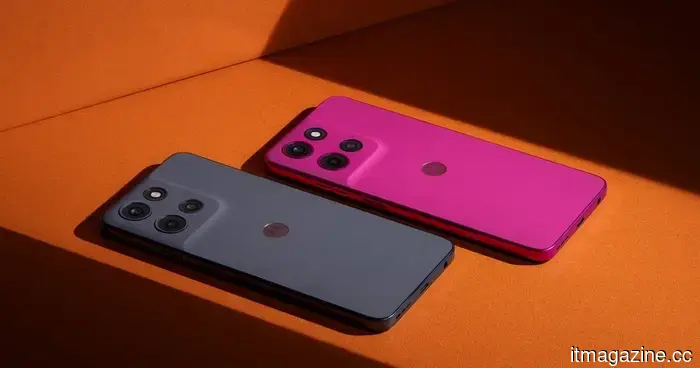
Smartphones priced under $100 are soon expected to be uncommon.
Memory prices are subtly transforming the entire smartphone landscape.
If you've been waiting for an affordable phone deal, you may want to act quickly. Recent data from Counterpoint Research indicates that smartphone sales in the US priced under $100 plummeted by an astonishing 64% year over year in the second quarter of 2026. Additionally, overall smartphone sales dropped by 5% as rising costs put pressure on both consumers and manufacturers.
What’s causing the decline of budget phones?
Two distinct forces are at play here. The increase in gas and goods prices, partly due to conflicts in the Middle East, has already impacted consumer spending on electronics. Simultaneously, memory chip prices have surged significantly, mainly because large tech companies are purchasing vast amounts of RAM for their AI infrastructure requirements.
Budget smartphones have been the most affected by this situation, as manufacturers either increase prices to offset costs or discontinue low-cost models altogether. Carrier-branded white-label phones, the standard budget devices sold directly through carriers, have faced particularly severe impacts from these price hikes.
Who benefits and who suffers in this transition?
Larger smartphone manufacturers are managing this situation much better than smaller ones. The combined sales of Apple, Samsung, Motorola, and Google decreased by only 4%, while all other brands combined experienced a staggering decline of 45%. Smaller companies simply don't have the ability to purchase components in bulk like the industry giants.
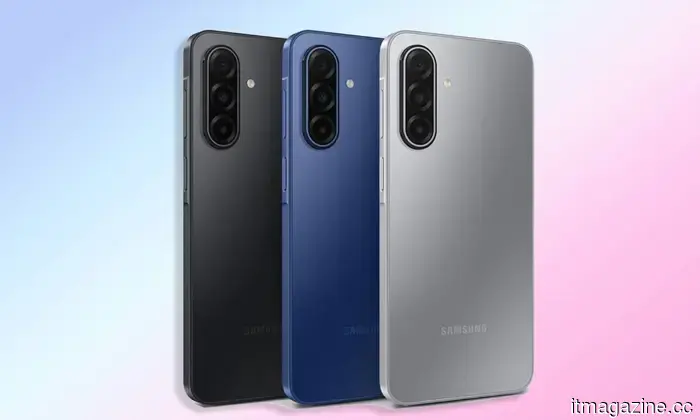
HMD, the company behind Nokia phones, entirely exited the US market last year. In the meantime, Motorola has increased prices for its popular budget models, and Samsung has followed suit, resulting in the $200 to $299 price bracket nearly tripling its market share.
We might see prices continue to rise, especially with Apple expected to increase iPhone 18 prices this fall, and Google’s new Pixel 11 already priced higher than last year's version.
Manisha Priyadarshini is a tech and entertainment writer with over nine years of editorial experience.
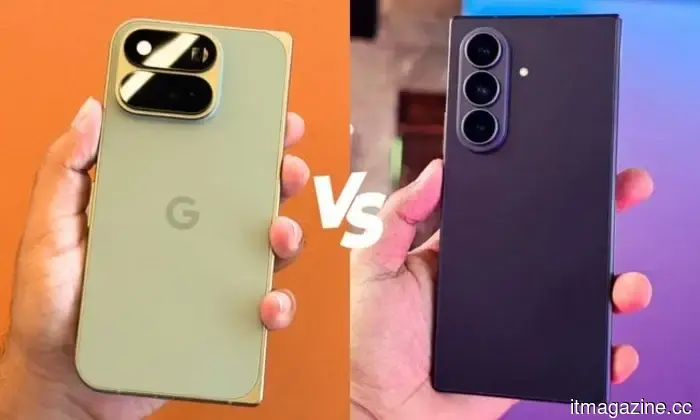
In a comparison of the Pixel 11 Pro Fold and Galaxy Z Fold 8 Ultra, both Google and Samsung present contrasting visions of what a smartphone should be.
Even though both companies recognize that a book-style foldable could serve as a replacement for tablets while maintaining key traits of high-end flagship smartphones, they've each created vastly different devices. The Pixel 11 Pro Fold focuses on Google's software insight and boasts a notably high durability rating, whereas the Galaxy Z Fold 8 Ultra emphasizes powerful hardware, a 200MP camera, and Samsung's most advanced multitasking capabilities to date. Which device best suits your needs? Let’s explore this in depth.
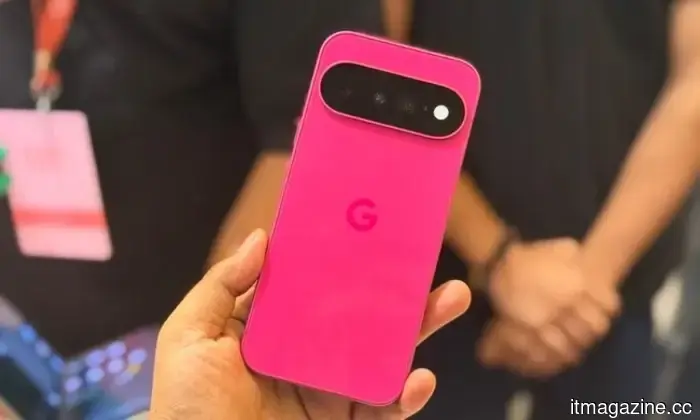
After trying the Pixel 11 hands-on, it appears that Google’s most affordable flagship finally encompasses everything I desire.
The Pixel 11 delivers almost all I want from a baseline flagship model.
In any premium smartphone range, it’s apparent that significant attention and care are directed towards the Pro or Ultra versions. Basic flagship models must balance being accessible while still conveying quality. Apple’s iPhone 17 exemplified this well, as did the Galaxy S26, despite its imperfections. Google, however, felt slightly behind with the Pixel 10. Thus, during my brief time with the Pixel 11, I anticipated a similar sentiment—thankfully, the latest standard Pixel device is now more competitive than ever.
Meta is rolling out a new Scam Alert feature on WhatsApp, aimed at detecting scam messages while ensuring your chats remain private.
Scammers have been targeting WhatsApp users for years, and data illustrates the extent of the problem. The FTC reports that victims claimed to have lost $425 million to scams on WhatsApp alone, contributing to a broader total of $2.1 billion lost to social media scams in 2025. To combat this, Meta has introduced Scam Alert, an optional feature being released in a limited beta, which uses artificial intelligence to flag suspicious messages without accessing the content of your conversations.

Other articles
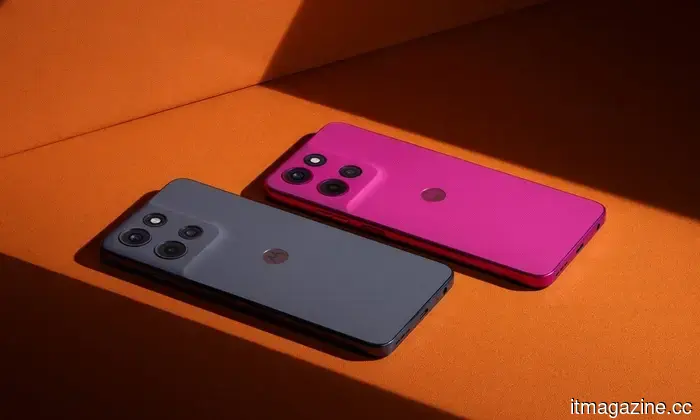
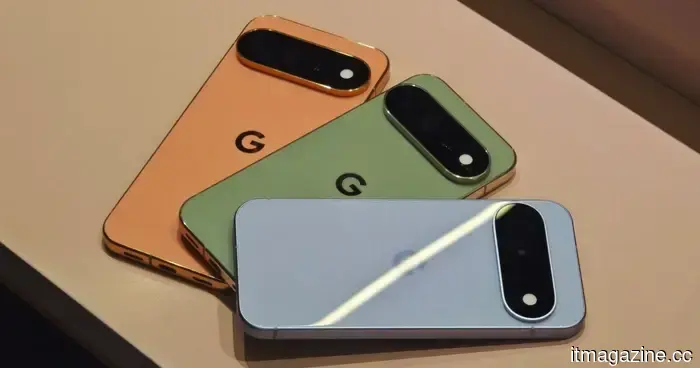 I have a weakness for vibrant phones, and Google is well aware of this.
The colors of Google’s Pixel 11 are vibrant, striking, and delightfully playful, and the accessories are also joining in on the excitement.
I have a weakness for vibrant phones, and Google is well aware of this.
The colors of Google’s Pixel 11 are vibrant, striking, and delightfully playful, and the accessories are also joining in on the excitement.
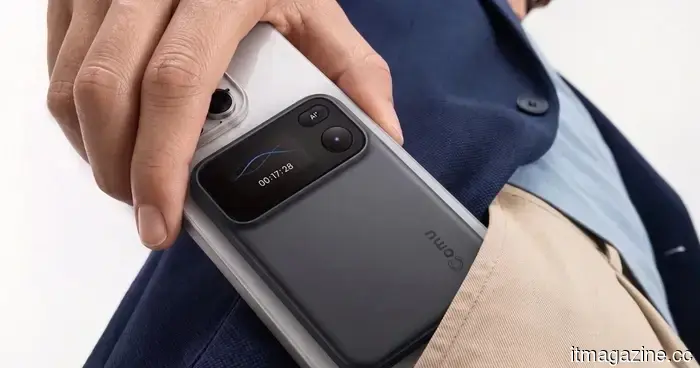 Comu's compact AI recorder is capable of converting your meetings into slides, emails, and action plans.
Comu's latest Action Pro is capable of recording and transcribing meetings, subsequently using AI to create editable slides, follow-up emails, documents, and action plans.
Comu's compact AI recorder is capable of converting your meetings into slides, emails, and action plans.
Comu's latest Action Pro is capable of recording and transcribing meetings, subsequently using AI to create editable slides, follow-up emails, documents, and action plans.
 Nvidia's GeForce Now concludes its beta phase on Linux, featuring enhanced cloud gaming performance.
Nvidia's GeForce NOW native Linux application has officially left beta after seven months, introducing quicker streaming, support for Chromebooks, and the addition of nine new cloud games.
Nvidia's GeForce Now concludes its beta phase on Linux, featuring enhanced cloud gaming performance.
Nvidia's GeForce NOW native Linux application has officially left beta after seven months, introducing quicker streaming, support for Chromebooks, and the addition of nine new cloud games.
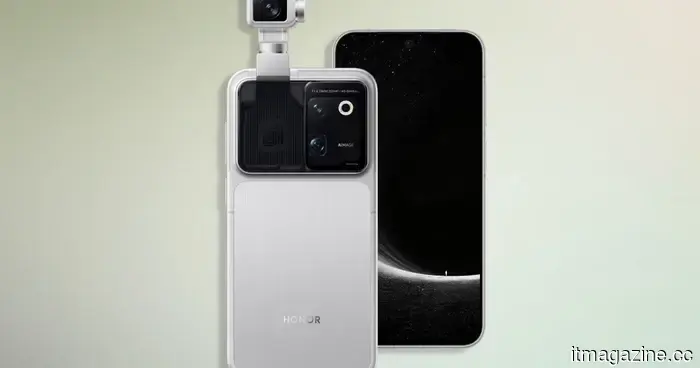 The Honor Robot Phone is now available for purchase, and it could be the most ambitious camera phone to date.
The Honor Robot Phone merges top-tier hardware with a 200MP camera attached to a motorized gimbal, features AI-driven subject tracking, and imaging technology created in collaboration with ARRI. It also carries a notably high price point.
The Honor Robot Phone is now available for purchase, and it could be the most ambitious camera phone to date.
The Honor Robot Phone merges top-tier hardware with a 200MP camera attached to a motorized gimbal, features AI-driven subject tracking, and imaging technology created in collaboration with ARRI. It also carries a notably high price point.
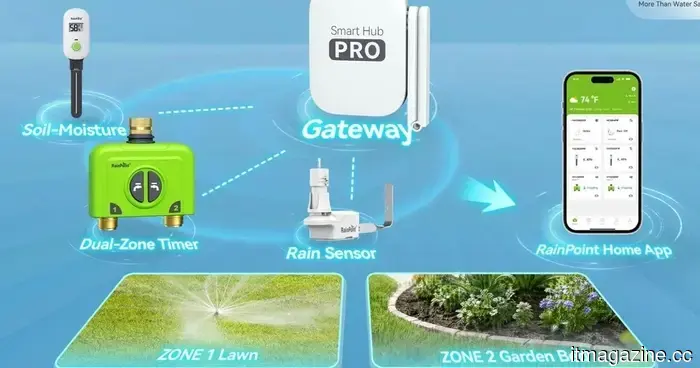 From Timers to Networks: Insights on Outdoor Automation Offered by Connected Irrigation
Watering a lawn or garden has typically depended on fixed schedules that may not accurately represent the current circumstances. Connected irrigation systems aim to overcome this challenge by integrating timers with environmental sensors and centralized software. An example of this is RainPoint’s smart garden system, which illustrates how manufacturers are linking timers and environmental components...
From Timers to Networks: Insights on Outdoor Automation Offered by Connected Irrigation
Watering a lawn or garden has typically depended on fixed schedules that may not accurately represent the current circumstances. Connected irrigation systems aim to overcome this challenge by integrating timers with environmental sensors and centralized software. An example of this is RainPoint’s smart garden system, which illustrates how manufacturers are linking timers and environmental components...
 Sieving the Pixels: Identifying AI-Generated Content in 2026
The digital landscape is experiencing a surge of media created through synthetic means. Art, videos, music, and short films are now being generated by AI systems. Although early instances of AI-generated images were frequently identifiable due to various (and often humorous) anatomical mistakes, the newest models are yielding results that are much harder to distinguish. [...]
Sieving the Pixels: Identifying AI-Generated Content in 2026
The digital landscape is experiencing a surge of media created through synthetic means. Art, videos, music, and short films are now being generated by AI systems. Although early instances of AI-generated images were frequently identifiable due to various (and often humorous) anatomical mistakes, the newest models are yielding results that are much harder to distinguish. [...]
Smartphones priced under $100 are soon expected to be uncommon.
Budget smartphones are quickly disappearing, with sales of phones priced under $100 plummeting 64% year over year, while larger brands such as Apple and Samsung have remained comparatively stable.