
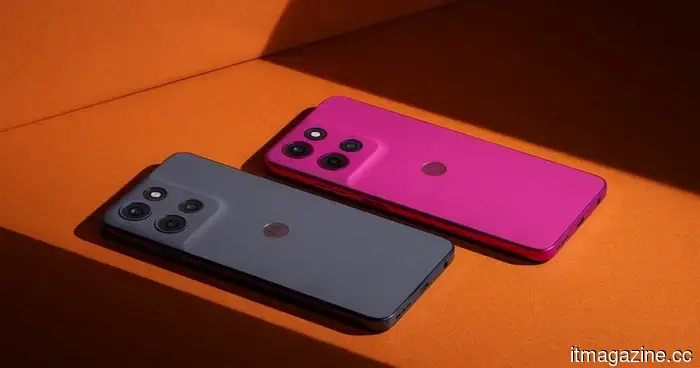
Smartphones priced under $100 are likely to become increasingly uncommon.
Memory prices are subtly transforming the entire smartphone industry.
If you’ve been waiting for an affordable phone deal, it may be a good time to act quickly. Recent data from Counterpoint Research indicates that smartphone sales priced under $100 in the US plummeted by an astonishing 64% year-over-year in the second quarter of 2026. Overall smartphone sales also dipped by 5% as rising costs are placing pressure on both consumers and manufacturers simultaneously.
What is causing the decline of budget phones?
Two distinct factors are converging here. Increasing prices for gas and goods, partly due to conflicts in the Middle East, have already impacted consumers' spending power on electronics. Simultaneously, memory chip prices have surged significantly, mainly because large tech firms are purchasing substantial amounts of RAM for their AI infrastructure.
This situation has significantly affected budget smartphones, as manufacturers are left with the choice of either raising prices to offset costs or discontinuing low-cost models. Carrier-branded white-label phones, the generic budget devices sold directly through carriers, have particularly suffered from these price hikes.
Who benefits and who suffers from this change?
Larger phone manufacturers are managing this situation much better than smaller ones. Joint sales for Apple, Samsung, Motorola, and Google decreased by only 4%, while all other brands saw a substantial drop of 45%. Smaller companies cannot procure components in bulk like the major players can.
HMD, the company behind Nokia phones, completely exited the US market last year. Meanwhile, Motorola raised prices on its well-liked budget models, and Samsung followed suit, which ironically led to the $200 to $299 price segment nearly tripling in market share.
We can also anticipate further price increases, as Apple is projected to hike iPhone 18 prices this fall, and Google’s new Pixel 11 already comes with a higher price tag than last year’s version.
---
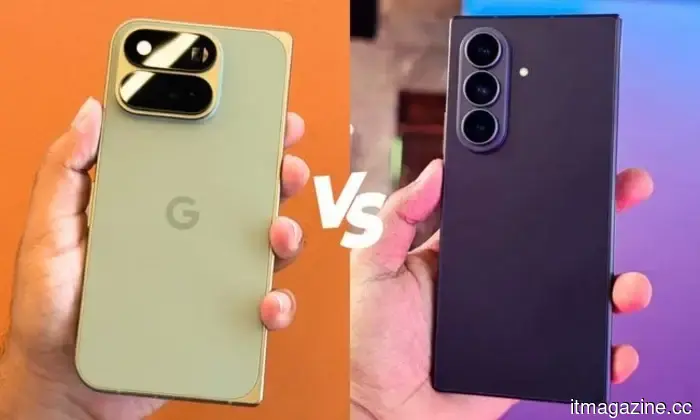
Pixel 11 Pro Fold vs. Galaxy Z Fold 8 Ultra: Google takes a cautious approach, while Samsung commits fully.
Two premium foldables showcase distinct visions of what smartphones should accomplish.
Although both Google and Samsung agree that a book-style foldable can serve as a tablet replacement while maintaining the best features of a flagship smartphone, they have developed two quite different devices to demonstrate this. The Pixel 11 Pro Fold relies on Google's software capabilities and an exceptionally high durability rating, whereas the Galaxy Z Fold 8 Ultra emphasizes powerful hardware, a 200MP camera, and Samsung's most advanced multitasking software to date. So, which one is more suitable for you? Let’s delve into a detailed comparison of the two.
---
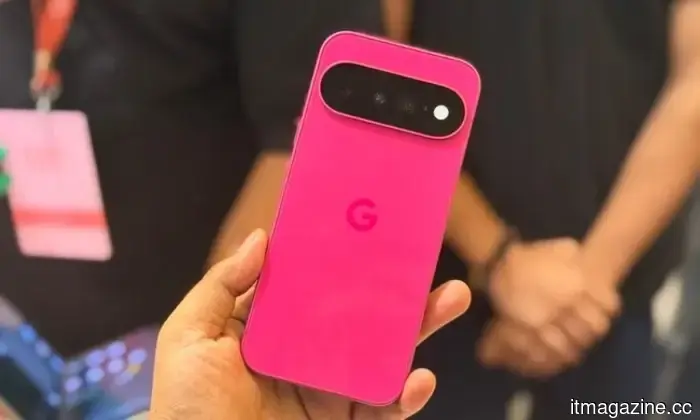
I experienced the Pixel 11 firsthand, and Google’s most affordable flagship finally delivers.
The Pixel 11 provides nearly everything I desire in a base flagship.
When looking at any high-end smartphone range, it is clear that the focus is predominantly on the Pro or Ultra versions. Base flagship models must strike a balance between being accessible and exuding a premium feel. Apple's iPhone 17 illustrated this well, and the Galaxy S26 was another commendable option (despite its various shortcomings).
In contrast, Google’s Pixel 10 felt somewhat behind competitors. However, after spending time with the Pixel 11, I found that the latest basic Pixel device is more competitive than ever before.
---
WhatsApp’s new Scam Alert feature will identify scam messages while safeguarding your chat privacy.
Meta's new AI technology will alert you to scams without compromising encryption.
Scammers have targeted WhatsApp users for years, as evidenced by the statistics. The FTC reports that victims have lost $425 million to scams on WhatsApp alone, contributing to a broader $2.1 billion lost to social media scams in 2025. Now, Meta is countering this issue with Scam Alert, a new optional feature launching in a limited beta that uses artificial intelligence to flag suspicious messages, all while keeping your actual conversations private.

Other articles
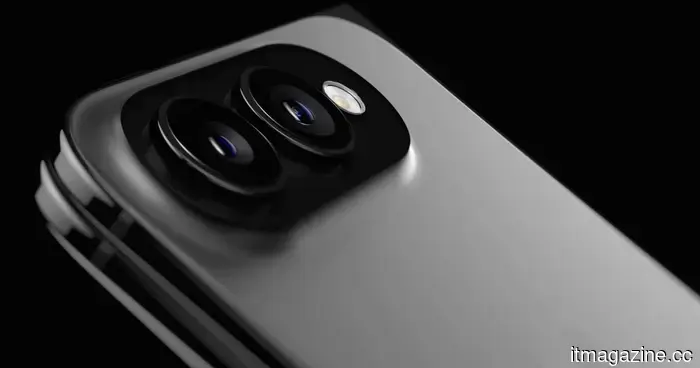 The foldable iPhone Ultra may let down numerous enthusiastic customers.
Apple is facing supply issues that may restrict its foldable iPhone to an initial launch in the U.S., with other regions potentially experiencing months of delays.
The foldable iPhone Ultra may let down numerous enthusiastic customers.
Apple is facing supply issues that may restrict its foldable iPhone to an initial launch in the U.S., with other regions potentially experiencing months of delays.
 Nvidia's GeForce Now concludes its beta phase on Linux, featuring enhanced cloud gaming performance.
Nvidia's GeForce NOW native Linux application has officially left beta after seven months, introducing quicker streaming, support for Chromebooks, and the addition of nine new cloud games.
Nvidia's GeForce Now concludes its beta phase on Linux, featuring enhanced cloud gaming performance.
Nvidia's GeForce NOW native Linux application has officially left beta after seven months, introducing quicker streaming, support for Chromebooks, and the addition of nine new cloud games.
 Microsoft is encouraging you to abandon SMS passwords as AI complicates the prevention of phishing attacks.
Microsoft is advising IT administrators to abandon SMS and voice authentication due to the increased risk of AI-driven phishing attacks that make these methods more vulnerable. Here’s the complete schedule for transitioning to passkeys.
Microsoft is encouraging you to abandon SMS passwords as AI complicates the prevention of phishing attacks.
Microsoft is advising IT administrators to abandon SMS and voice authentication due to the increased risk of AI-driven phishing attacks that make these methods more vulnerable. Here’s the complete schedule for transitioning to passkeys.
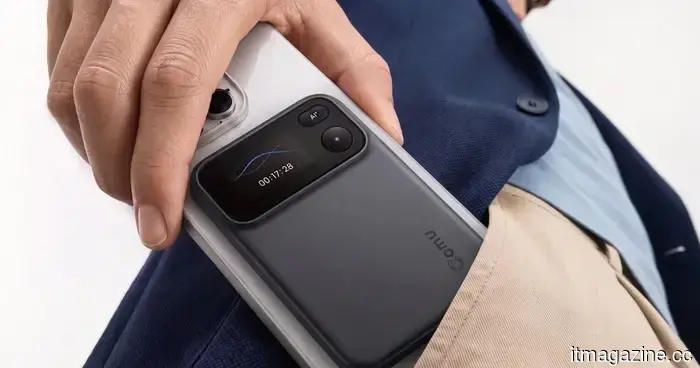 Comu's compact AI recorder can convert your meetings into slides, emails, and action items.
Comu's latest Action Pro is capable of recording and transcribing meetings, and then utilizing AI to create editable slides, follow-up emails, documents, and action plans.
Comu's compact AI recorder can convert your meetings into slides, emails, and action items.
Comu's latest Action Pro is capable of recording and transcribing meetings, and then utilizing AI to create editable slides, follow-up emails, documents, and action plans.
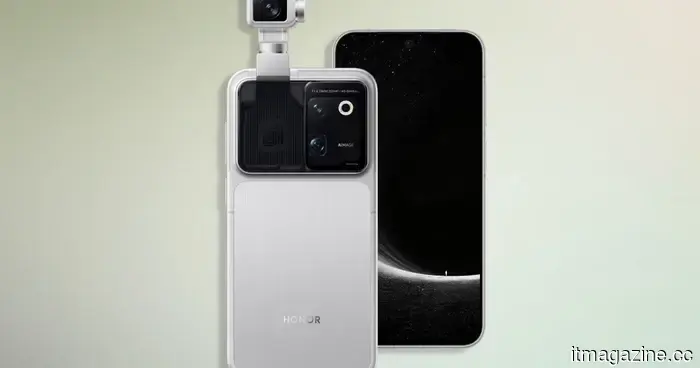 The Honor Robot Phone is now available for purchase, and it could be the most ambitious camera phone to date.
The Honor Robot Phone merges top-tier hardware with a 200MP camera attached to a motorized gimbal, features AI-driven subject tracking, and imaging technology created in collaboration with ARRI. It also carries a notably high price point.
The Honor Robot Phone is now available for purchase, and it could be the most ambitious camera phone to date.
The Honor Robot Phone merges top-tier hardware with a 200MP camera attached to a motorized gimbal, features AI-driven subject tracking, and imaging technology created in collaboration with ARRI. It also carries a notably high price point.
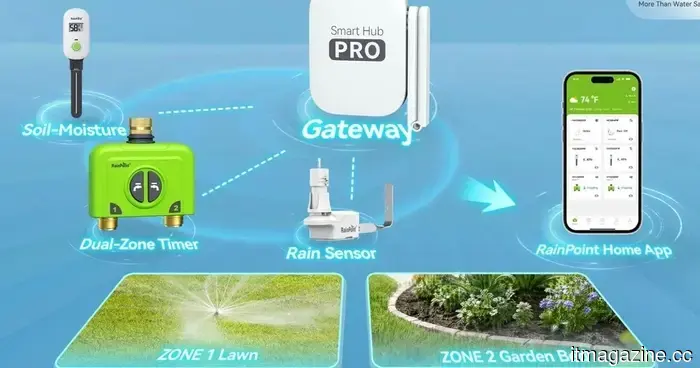 From Timers to Networks: Insights on Outdoor Automation from Connected Irrigation
Watering a lawn or garden has historically depended on established schedules that may not accurately represent the existing conditions. Connected irrigation systems aim to overcome this drawback by integrating timers with environmental sensors and centralized software. A prime example of this is RainPoint’s smart garden system, which illustrates how manufacturers are linking timers and environmental...
From Timers to Networks: Insights on Outdoor Automation from Connected Irrigation
Watering a lawn or garden has historically depended on established schedules that may not accurately represent the existing conditions. Connected irrigation systems aim to overcome this drawback by integrating timers with environmental sensors and centralized software. A prime example of this is RainPoint’s smart garden system, which illustrates how manufacturers are linking timers and environmental...
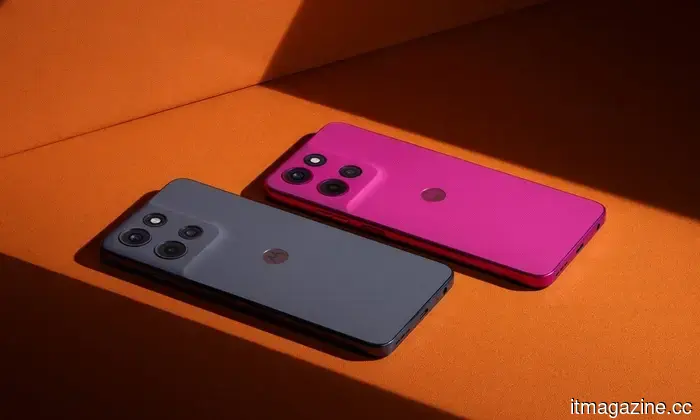
Smartphones priced under $100 are likely to become increasingly uncommon.
Budget smartphones are quickly disappearing, with sales of phones priced under $100 plummeting 64% year over year, while larger brands like Apple and Samsung have remained fairly steady.