
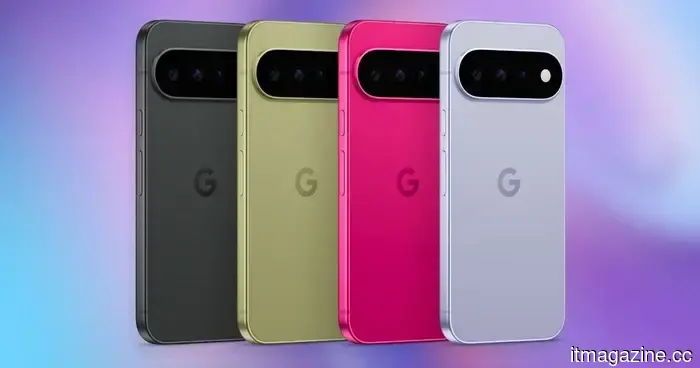
Google's latest Pixel 11 takes a cautious approach with several clever enhancements.
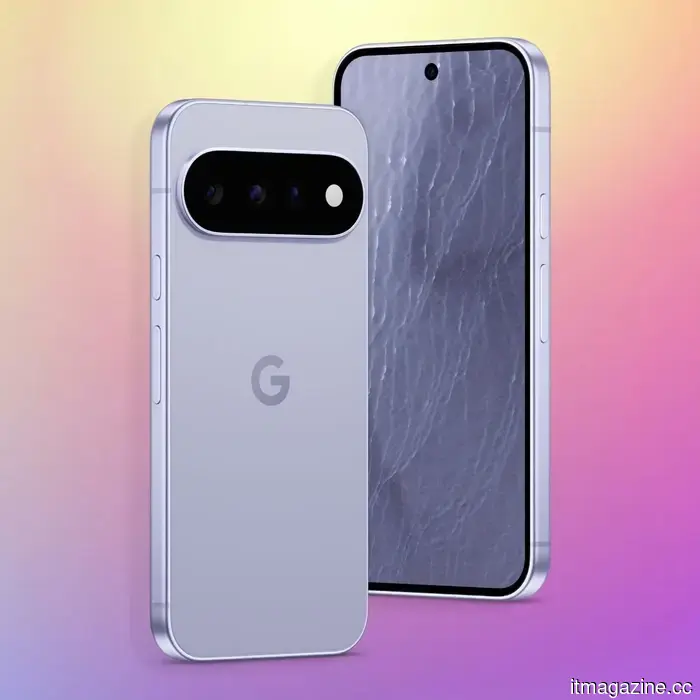
After months of leaks and speculation, the Pixel 11 is finally here. Google revealed the device along with its Pro counterparts at the Made by Google event in New York. While it may not represent a groundbreaking upgrade from last year's Pixel 10, it does introduce several notable enhancements.
Enhanced performance and increased base storage in a lighter design
The Pixel 11, similar to the other three models in Google’s 2026 flagship series, is equipped with the new Tensor G6 processor and Titan M3 security chip. Addressing a long-standing issue, Google has eliminated the 128GB storage option, now starting with 256GB of base storage, while the higher-end version offers 512GB of Zoned UFS storage for improved performance.
The latest model is lighter as well, with its weight reduced from 7.2 ounces to 6.9 ounces, and it now houses a slightly larger 4,985 mAh battery. Although the Pixel 11 seems to sport the same rear camera configuration as its predecessor, the 48MP main sensor has increased in size from 1/2.0 inch to 1/1.56 inch, potentially enhancing low-light capabilities.
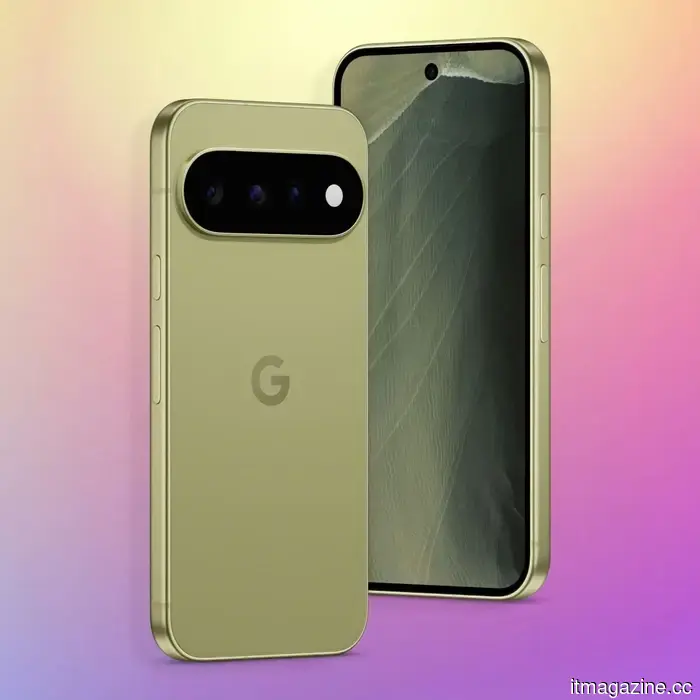
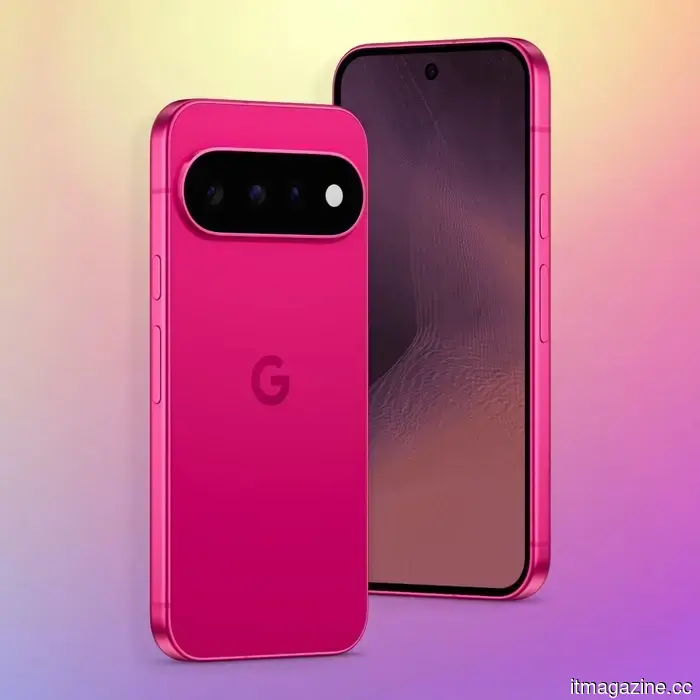
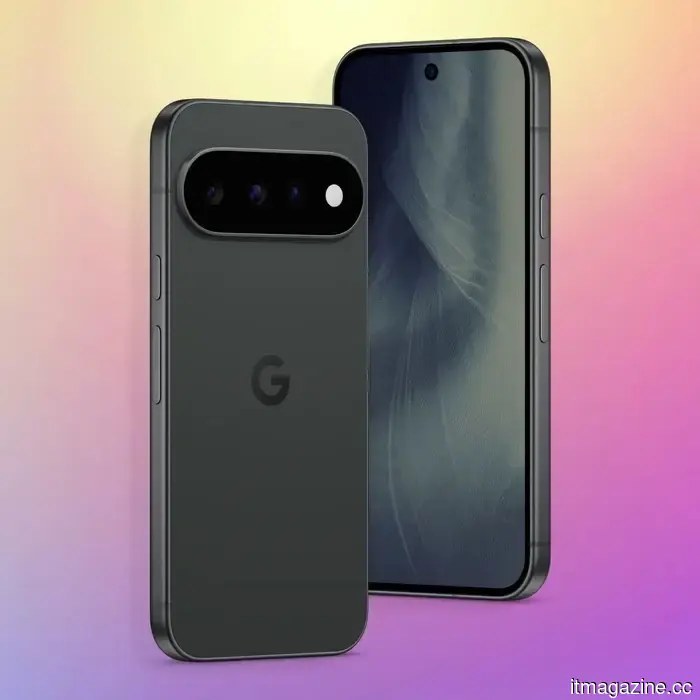
Google has also increased the Super Zoom feature to 30x, up from 20x in the previous model, and raised the wireless charging speed from 15W to 25W. The Pixel 11 is available in several new color options; Frost and Obsidian are retained from the Pixel 10 range, while Indigo and Lemongrass are replaced by two new colors: Pistachio and Hibiscus.
On the software side, the Pixel 11 comes with Android 17 pre-installed, featuring enhanced Gemini Intelligence capabilities, a new sign language translation option, and Circle to Search functionality in the Pixel Camera app. The camera app introduces two new features, Magic Capture and Camera Looks, and Google has improved its voice-to-text technology to eliminate filler words and better adapt text to individual style.
What remains unchanged
The 6.3-inch Actua display remains the same. It continues to use an OLED panel with a 20:9 aspect ratio, a 1080 x 2424 resolution, and a pixel density of 422 ppi, protected by Gorilla Glass Victus 2. The peak brightness also remains at 3,000 nits, and the 120Hz refresh rate stays consistent.
The camera specifications—13MP ultrawide, 10.8MP telephoto, and 10.5MP selfie—are identical to those of the Pixel 10. Build quality also remains unchanged, with the Pixel 11 featuring an aluminum frame and an IP68 rating for dust and water resistance. Wired charging speed remains at 30W, and connectivity options are the same, including Wi-Fi 6E, Bluetooth 6, and USB-C 3.2.
Pricing and availability
The Pixel 11 is available for pre-order on the Google Store, Amazon, and Best Buy, with the 12GB+256GB variant priced at $899.99 and the 512GB version at $1,019. Retail availability is set to begin next week on August 20.
Other articles
 Looking to purchase a vibrant Pixel 11? Google has the ideal case for it.
Google's official Pixel 11 cases complement the phones, ensuring that safeguarding your new Pixel does not obscure its character.
Looking to purchase a vibrant Pixel 11? Google has the ideal case for it.
Google's official Pixel 11 cases complement the phones, ensuring that safeguarding your new Pixel does not obscure its character.
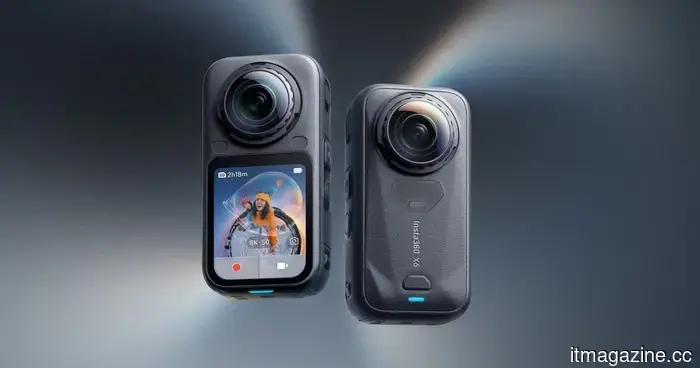 Insta360 has made its top-of-the-line 360 camera extremely attention-grabbing.
Insta360 has recently introduced the X6, featuring a larger sensor, enhanced tracking capabilities, and a battery that can finally keep up with demand. Just try not to focus too much on the price.
Insta360 has made its top-of-the-line 360 camera extremely attention-grabbing.
Insta360 has recently introduced the X6, featuring a larger sensor, enhanced tracking capabilities, and a battery that can finally keep up with demand. Just try not to focus too much on the price.
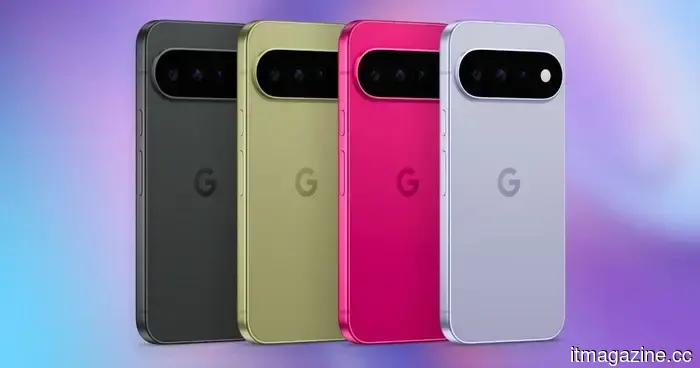 Google's latest Pixel 11 takes a cautious approach with some clever enhancements.
Google's Pixel 11 features a quicker Tensor G6 chip, double the standard storage, and a lighter design, while most other aspects remain similar. Here’s what’s new in Google's latest budget-friendly flagship.
Google's latest Pixel 11 takes a cautious approach with some clever enhancements.
Google's Pixel 11 features a quicker Tensor G6 chip, double the standard storage, and a lighter design, while most other aspects remain similar. Here’s what’s new in Google's latest budget-friendly flagship.
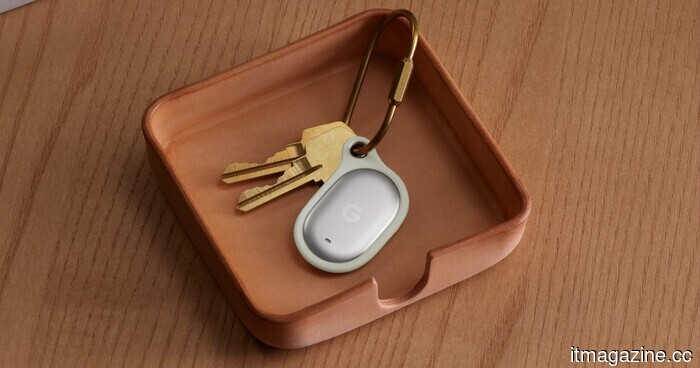 Google's latest Pixel Tag is more compact than an AirTag and more effective at locating your belongings.
Google's response to the AirTag is slimmer than both leading competitors and includes a Bluetooth enhancement that offers accurate tracking for Android devices.
Google's latest Pixel Tag is more compact than an AirTag and more effective at locating your belongings.
Google's response to the AirTag is slimmer than both leading competitors and includes a Bluetooth enhancement that offers accurate tracking for Android devices.
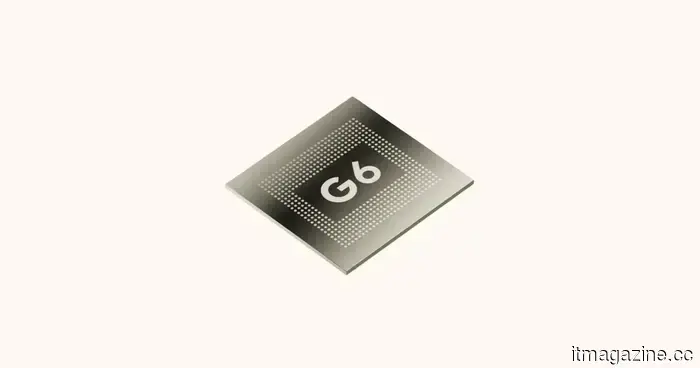 Google's latest Tensor G6 introduces significant enhancements in performance, efficiency, and security for the Pixel 11 series.
Google's Tensor G6 introduces quicker camera processing, enhanced on-device AI, and new security features for the Pixel 11 series, along with upgrades in performance and efficiency.
Google's latest Tensor G6 introduces significant enhancements in performance, efficiency, and security for the Pixel 11 series.
Google's Tensor G6 introduces quicker camera processing, enhanced on-device AI, and new security features for the Pixel 11 series, along with upgrades in performance and efficiency.
 YouTube personality Cliff Tan has expressed his apologies to his 2.4 million followers after endorsing an AI design tool.
Cliff Tan issued an apology to his 2.4 million subscribers for a paid Dreamina advertisement, becoming the second YouTube creator in a week to distance themselves from an AI connection.
YouTube personality Cliff Tan has expressed his apologies to his 2.4 million followers after endorsing an AI design tool.
Cliff Tan issued an apology to his 2.4 million subscribers for a paid Dreamina advertisement, becoming the second YouTube creator in a week to distance themselves from an AI connection.
Google's latest Pixel 11 takes a cautious approach with several clever enhancements.
Google's Pixel 11 features a quicker Tensor G6 chip, doubled base storage, and a lighter design, while the remainder stays mostly the same. Here’s what’s different in Google’s newest entry-level flagship.