
Bumble has recently altered who has the opportunity to initiate contact first.
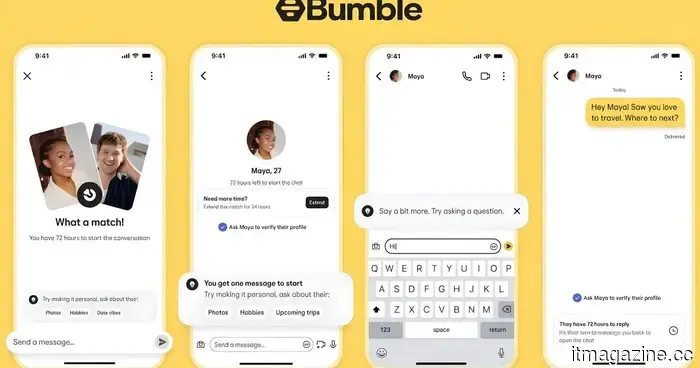
Bumble is modifying one of the core rules that has shaped the dating app since its inception: now, either participant in a match can initiate the conversation.
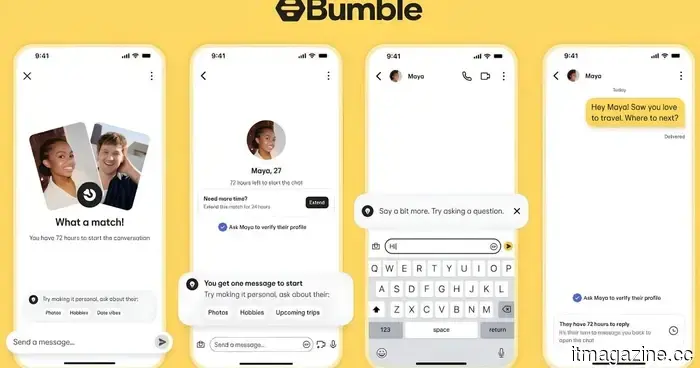
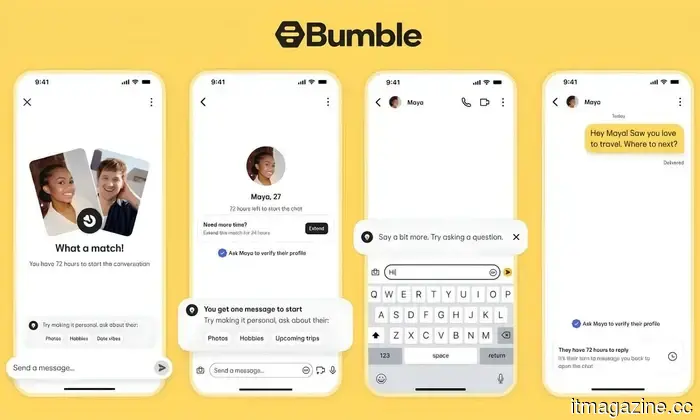
This update is being implemented worldwide beginning today, providing both men and women with greater flexibility in how discussions start. Additionally, Bumble is increasing the response time from 24 hours to 72 hours, reducing the chance that a potentially promising match fades away simply due to someone being occupied for a day.
This represents a significant change for an app that emphasizes the idea that women should make the first contact. Bumble emphasizes that this update does not intend to discard that principle but to offer users more options regarding how they initiate conversations.
While users can take the initiative, they only have one opportunity to send a first message.
The new system retains some structure. The person who sends the initial message is allowed one message, and the chat only begins once the other individual responds. Furthermore, Bumble will encourage users to reconsider extremely brief opening messages, such as single-word replies, before sending them.
The company reports that its tests indicated a rise in the initiation of chats, with opening messages becoming more balanced between men and women. More than half of those surveyed expressed that the extended response window enhanced their experience, with 92% of women indicating they still felt in control of their dating journey.
This point is significant as Bumble aims to alter a familiar experience without compromising the sense of safety and control that initially distinguished it from other dating platforms.
According to Bumble, women still have the option to make the first move; however, research indicates that many users, especially Gen-Z women, appreciate the flexibility of allowing men to start the conversation. Almost two-thirds of surveyed participants stated that having the choice over how and when discussions begin increases their confidence.
Bumble is addressing a more significant concern: it is not merely about who says “Hey” first. The real issue is that people are often busy, and dating apps tend to turn a missed day into a lost opportunity.
The extension of the response time to three days provides matches with additional leeway, and Bumble claims tests showed a decline in chat expirations and unmatching. Women experienced a mutual chat rate increase that was more than double that of men during testing.
This change aligns with Bumble’s broader initiative to enhance users' experiences post-swipe. The company has recently rolled out updated Profile Prompts and AI-driven profile feedback, and it plans to introduce more features designed to assist users in transitioning from matching to actual dates.
In summary, Bumble is not entirely abandoning its fundamental concept. It is relaxing one of its most recognizable rules in response to changes in the dating landscape, acknowledging that sometimes the biggest barrier to starting a conversation is simply being busy at inconvenient times.



Other articles
 Meta's latest AI model operates completely offline, but your GPU must be capable of keeping pace.
Meta has launched Muse Glimmer, a complimentary AI model with 30 billion parameters that you can operate entirely offline. There are no subscriptions or data centers required; all you need is a GPU with a minimum of 24GB of VRAM.
Meta's latest AI model operates completely offline, but your GPU must be capable of keeping pace.
Meta has launched Muse Glimmer, a complimentary AI model with 30 billion parameters that you can operate entirely offline. There are no subscriptions or data centers required; all you need is a GPU with a minimum of 24GB of VRAM.
 Bumble has recently altered the rules regarding who can initiate the first move.
Bumble now allows any participant in a match to initiate the conversation and grants the recipient 72 hours to reply, instead of the former 24-hour timeframe.
Bumble has recently altered the rules regarding who can initiate the first move.
Bumble now allows any participant in a match to initiate the conversation and grants the recipient 72 hours to reply, instead of the former 24-hour timeframe.
 SpaceXAI introduces Grok Bot as the competition for agents shifts to office tasks.
SpaceXAI has launched Grok Bot in beta, which are AI agents that log into applications, retain context, and operate concurrently. Access begins with the paid Grok and Cursor tiers.
SpaceXAI introduces Grok Bot as the competition for agents shifts to office tasks.
SpaceXAI has launched Grok Bot in beta, which are AI agents that log into applications, retain context, and operate concurrently. Access begins with the paid Grok and Cursor tiers.
 I’m not concerned about the thickness of the Galaxy Z Fold 8, and these two foldable devices illustrate precisely why.
The newest foldable devices are becoming increasingly slim, but after trying out the latest models from Motorola, Honor, and Samsung, I find that I prioritize battery life and hinges that enhance everyday usability much more.
I’m not concerned about the thickness of the Galaxy Z Fold 8, and these two foldable devices illustrate precisely why.
The newest foldable devices are becoming increasingly slim, but after trying out the latest models from Motorola, Honor, and Samsung, I find that I prioritize battery life and hinges that enhance everyday usability much more.
 Samsung's Galaxy Buds can now serve as hearing aids with adjustable sound enhancement features.
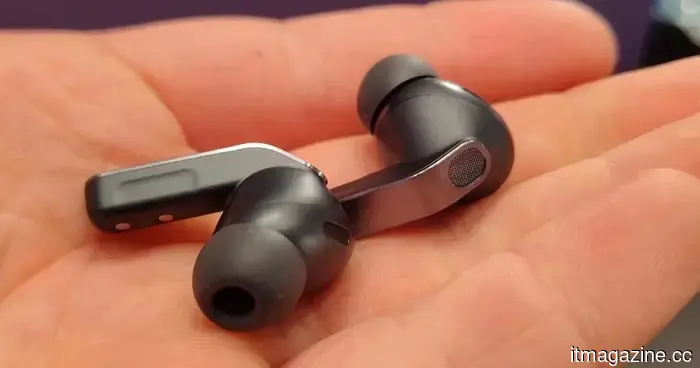
Samsung's Galaxy Buds Hearing Aid function has obtained FDA approval, enabling compatible earbuds to offer over-the-counter assistance for mild to moderate hearing loss.
Samsung's Galaxy Buds can now serve as hearing aids with adjustable sound enhancement features.
Samsung's Galaxy Buds Hearing Aid function has obtained FDA approval, enabling compatible earbuds to offer over-the-counter assistance for mild to moderate hearing loss.
 Beeper has just eliminated the hassle of messaging the same person across four different applications.
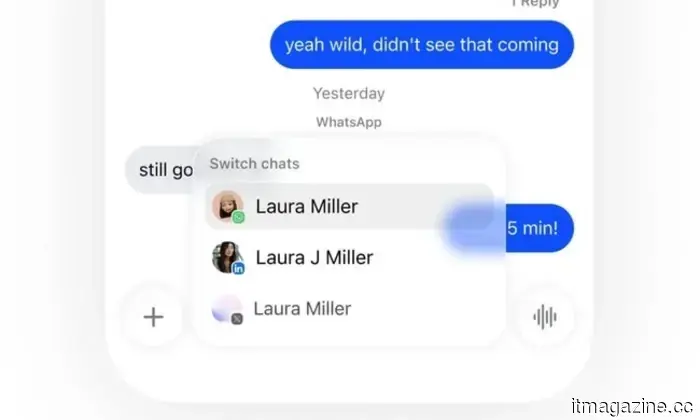
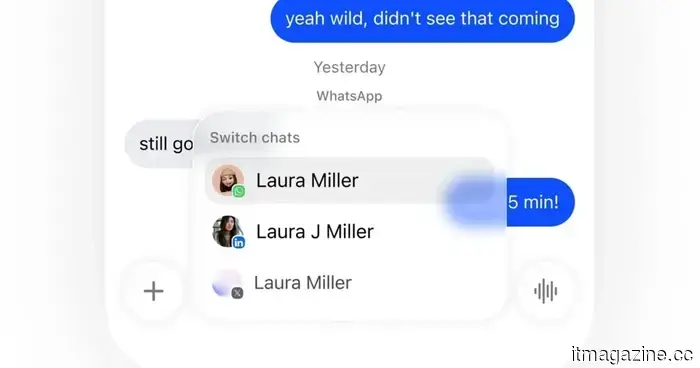
Beeper now consolidates conversations with the same individual across various messaging platforms into one thread, in addition to introducing new Labels, polls, and support for CarPlay.
Beeper has just eliminated the hassle of messaging the same person across four different applications.
Beeper now consolidates conversations with the same individual across various messaging platforms into one thread, in addition to introducing new Labels, polls, and support for CarPlay.
Bumble has recently altered who has the opportunity to initiate contact first.
Bumble has changed its system, allowing anyone in a match to initiate the conversation and providing the recipient with 72 hours to reply, instead of the former 24-hour timeframe.