
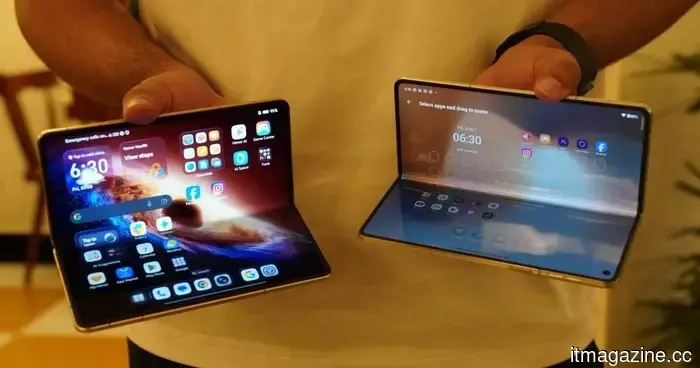
I’m not concerned about the thickness of the Galaxy Z Fold 8, and these two foldable devices illustrate precisely why.
Each year, manufacturers of foldable phones take great pride in reducing the thickness of their latest models by a small fraction of a millimeter. Samsung exemplifies this trend, offering some of the sleekest flexible devices on the market. While older foldables were bulky and heavy, the latest versions are now reaching sizes comparable to standard flagship phones.
After using the Motorola Razr Fold and Honor Magic V6 and comparing them to Samsung’s new Galaxy Z Fold 8, I've realized that the most valued hardware aspects are not necessarily related to which phone is the slimmest. I would prefer to sacrifice a little width for a more practical hinge and a larger battery.
Motorola has made its extra thickness worthwhile.
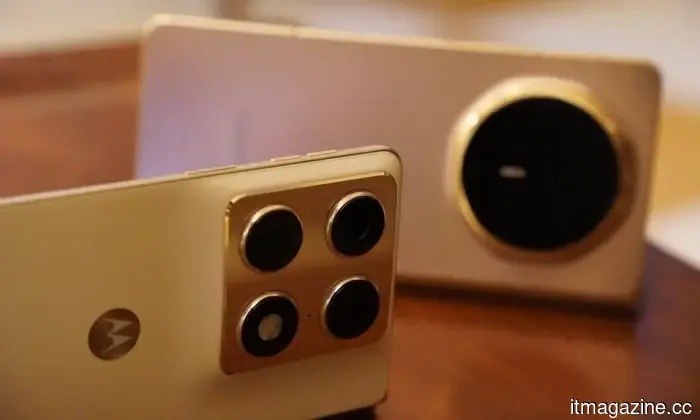
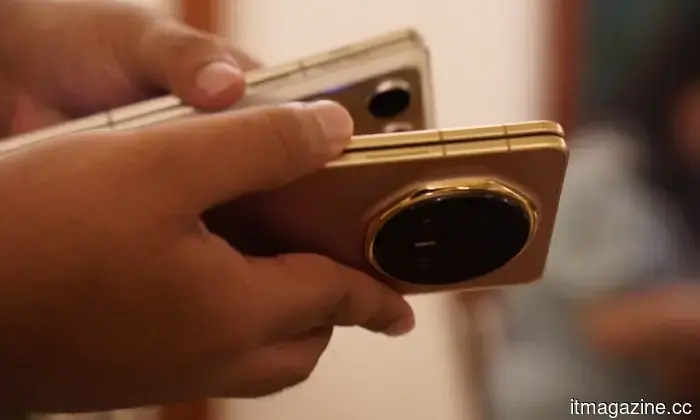
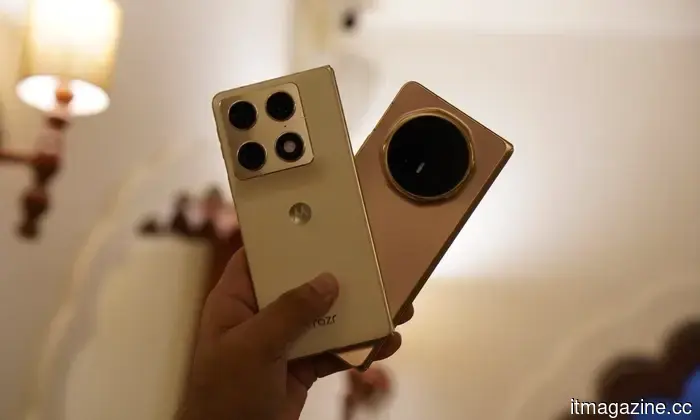
The Motorola Razr Fold, when closed, measures 9.89mm thick, making it about a millimeter thicker than its ultra-slim competitors like the Galaxy Z Fold 8 and Honor Magic V6. It also weighs more at 243 grams, which I noticed during my review. However, I was impressed by how much Motorola managed to include in this device.
Its 6,000mAh battery provided an average screen-on time of around seven hours in mixed usage and often lasted into the next afternoon before needing a recharge. Additionally, it features 80W wired charging and 50W wireless charging. One of my main worries about Motorola’s initial book-style foldable was its hinge, but it turned out to be one of its strongest features.
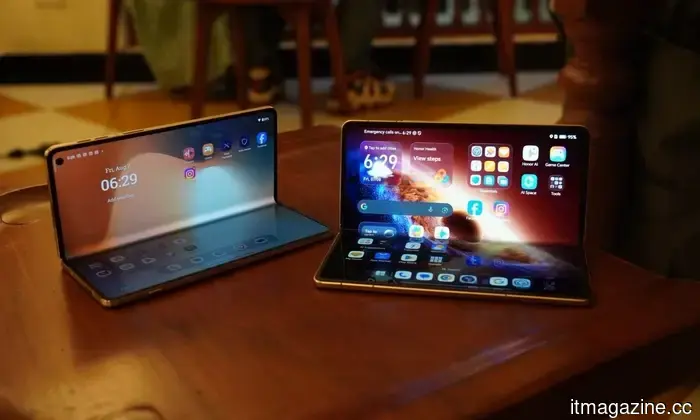
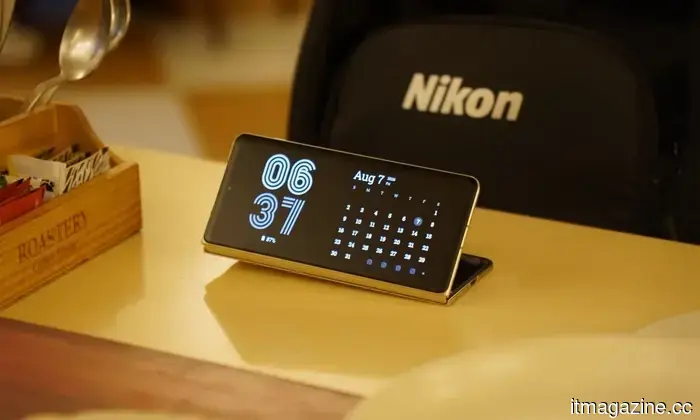
The hinge offers sufficient resistance to instill confidence, and tests have revealed that it remains stable at nearly any angle without noticeable wobbling. I can prop the Razr Fold up for photos, utilize the Moto Pen Ultra as a remote shutter, set it to tent mode, or adjust the two halves as needed. Additionally, Motorola designed a desk experience leveraging the tent position.
This versatility was something I quickly missed using the Galaxy Z Fold 8. Though the device is exceptionally crafted and feels incredibly premium, its impressive thinness appears to come at the cost of hinge flexibility.
Honor demonstrates that thinness doesn't need to compromise functionality.
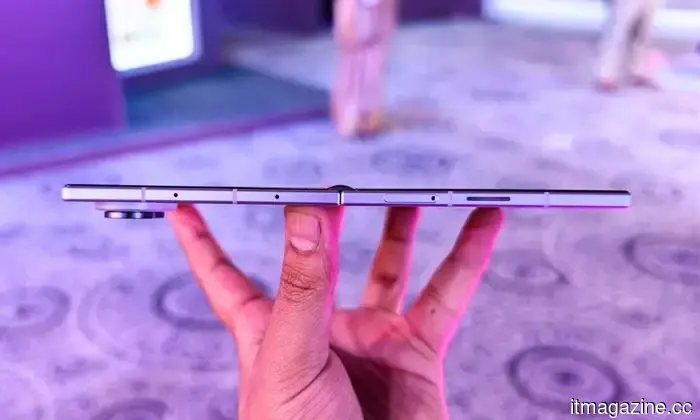
In contrast, the Magic V6 measures just 8.75mm when folded and 4mm when unfolded in its slimmest configuration, yet it houses a 6,660mAh silicon-carbon battery. Honor also provides 80W wired and 66W wireless charging. Most importantly, this level of thinness was achieved without compromising the hinge's functionality. In our Digital Trends review, the Magic V6 maintained a reliable range between approximately 50 and 140 degrees. It snaps firmly when fully opened or closed but still allows for a functional range in between.
A focus on making phones thinner should stem from engineering advancements. I want a slimmer device that maintains battery life, durability, and the distinct features that set foldables apart from traditional phones.
Samsung presents a strong case for thinness, but…
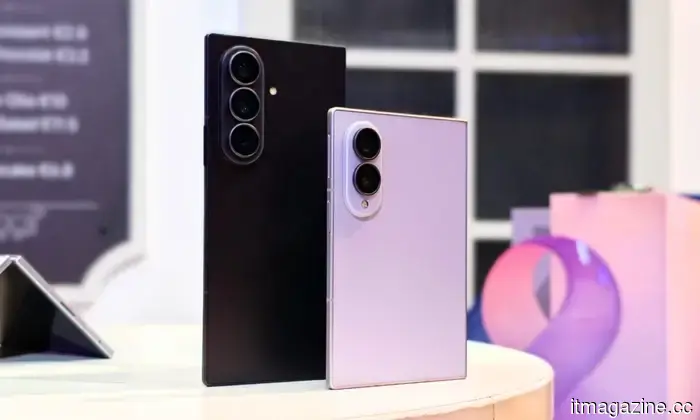
To Samsung’s credit, the Galaxy Z Fold 8 is perhaps the best example of why reducing the thickness of a foldable is beneficial. In our hands-on experience, we praised how significantly more pocket-friendly it has become. Weighing just 201 grams, it's lighter than many standard flagships like the iPhone 17 Pro, and the smaller 5.5-inch cover display makes it easier to use with one hand. When opened, the 7.6-inch 4:3 display provides a more natural aspect ratio for movies, games, books, and other content compared to the squarer screens typical in book-style foldables.
Therefore, this newfound thinness is advantageous. The Fold 8 is more convenient to carry and handle, and its redesigned proportions genuinely enhance usability. However, my concern arises when the pursuit of a slimmer form factor begins to detract from other elements of the experience. The standard Galaxy Z Fold 8 is equipped with a 4,800mAh battery, while the Fold 8 Ultra has a 5,000mAh capacity. In comparison, Motorola fits a 6,000mAh battery into the Razr Fold, and Honor offers even more with the Magic V6. Currently, the Galaxy Z Fold 8 provides approximately 6 hours of screen-on time, which is decent but still lags behind the Razr Fold and Magic V6.
Additionally, the regular Z Fold 8 has eliminated Flex Mode, a feature retained only by the Fold 8 Ultra. This change may relate to the new hinge design and crease-control focus, but it is one you'll notice right away. The Razr Fold is only slightly thicker than the standard Fold 8, yet Motorola still manages to provide a 6,000mAh battery and a hinge sturdy enough to hold various angles.
Foldables are sufficiently thin.
I’m not suggesting that manufacturers return to the bulky first-generation foldable phones or halt innovation, as seen with the Z Fold 8 Ultra. Making these devices thinner and lighter has undoubtedly been crucial to their advancement.
Other articles
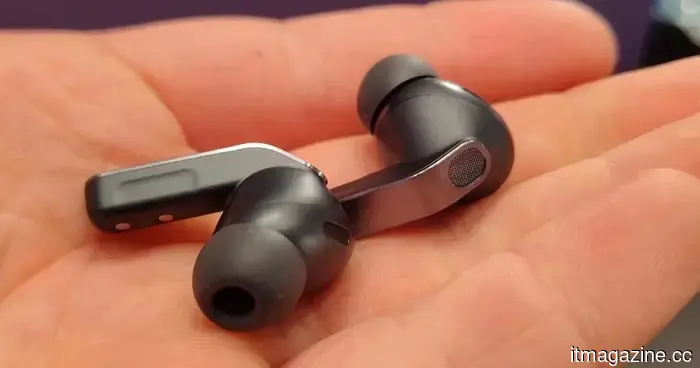 Samsung's Galaxy Buds can now serve as hearing aids with adjustable sound enhancement features.
Samsung's Galaxy Buds Hearing Aid function has obtained FDA approval, enabling compatible earbuds to offer over-the-counter assistance for mild to moderate hearing loss.
Samsung's Galaxy Buds can now serve as hearing aids with adjustable sound enhancement features.
Samsung's Galaxy Buds Hearing Aid function has obtained FDA approval, enabling compatible earbuds to offer over-the-counter assistance for mild to moderate hearing loss.
 Apple Executive Behind the Launch of Apple Pay is Retiring After 25 Years
Jennifer Bailey, who has been in charge of Apple Pay since its introduction in 2014, will retire in October, marking another resignation from Apple ahead of Cook's transition.
Apple Executive Behind the Launch of Apple Pay is Retiring After 25 Years
Jennifer Bailey, who has been in charge of Apple Pay since its introduction in 2014, will retire in October, marking another resignation from Apple ahead of Cook's transition.
 Crypto impersonation scams surged by 1,400% due to the enhancement of fraud through AI technology.
Impersonation scams in cryptocurrency surged by over 1,400% compared to the previous year, with AI-related schemes generating 4.5 times the revenue while experiencing nine times the activity. Deepfake KYC fraud currently costs $20 and successfully bypasses liveness checks 58% of the time.
Crypto impersonation scams surged by 1,400% due to the enhancement of fraud through AI technology.
Impersonation scams in cryptocurrency surged by over 1,400% compared to the previous year, with AI-related schemes generating 4.5 times the revenue while experiencing nine times the activity. Deepfake KYC fraud currently costs $20 and successfully bypasses liveness checks 58% of the time.
 Italian researchers prepare a new solar instrument for a crucial eclipse experiment.
Italian scientists will evaluate a new spectrometer, CISS, on 12 August during the total solar eclipse in Spain, aiming for a quicker assessment of the Sun’s corona.
Italian researchers prepare a new solar instrument for a crucial eclipse experiment.
Italian scientists will evaluate a new spectrometer, CISS, on 12 August during the total solar eclipse in Spain, aiming for a quicker assessment of the Sun’s corona.
 Target names its inaugural chief AI officer as retailers increase their investment in artificial intelligence.
Target has appointed Chandhu Nair, an executive from Lowe's, as its inaugural chief AI officer, a position that IBM reports is now held by three-quarters of large organizations.
Target names its inaugural chief AI officer as retailers increase their investment in artificial intelligence.
Target has appointed Chandhu Nair, an executive from Lowe's, as its inaugural chief AI officer, a position that IBM reports is now held by three-quarters of large organizations.
 SpaceXAI introduces Grok Bot as the competition for agents shifts to office tasks.
SpaceXAI has launched Grok Bot in beta, which are AI agents that log into applications, retain context, and operate concurrently. Access begins with the paid Grok and Cursor tiers.
SpaceXAI introduces Grok Bot as the competition for agents shifts to office tasks.
SpaceXAI has launched Grok Bot in beta, which are AI agents that log into applications, retain context, and operate concurrently. Access begins with the paid Grok and Cursor tiers.
I’m not concerned about the thickness of the Galaxy Z Fold 8, and these two foldable devices illustrate precisely why.
The newest foldable devices are becoming increasingly slim, but after trying out the latest models from Motorola, Honor, and Samsung, I find that I prioritize battery life and hinges that enhance everyday usability much more.