
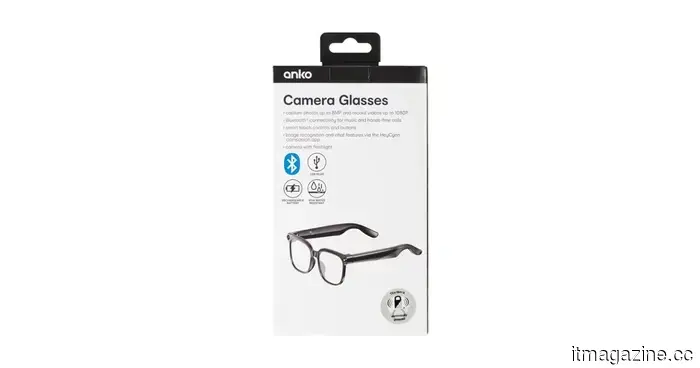
Australia has just established a troubling precedent for invasive behavior with the introduction of affordable smartglasses.
Kmart
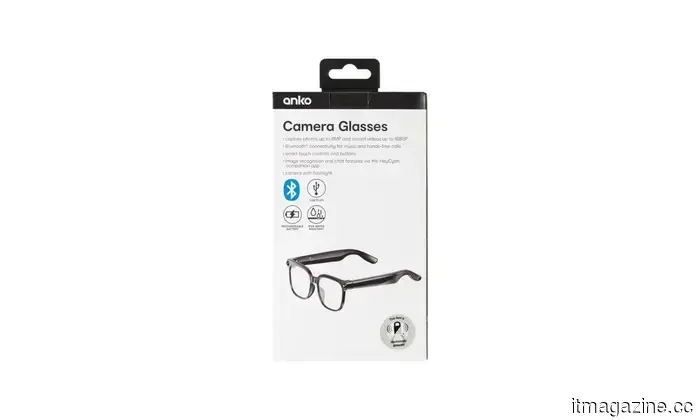
We have arrived at a time when AI-enhanced smart glasses are no longer just high-priced items for tech enthusiasts. They are now affordable enough to be placed in shopping carts next to cookware and school supplies. This is exactly what is happening in Australia, where Kmart’s new Anko AI Camera Glasses have completely sold out nationwide. With a price tag of only AU$89, these glasses are significantly cheaper than Meta’s Ray-Ban smart glasses while still providing many similar features, such as photo taking, HD video recording, AI support, music playback, and hands-free calling.
The quick sellout indicates a genuine interest in budget-friendly smart glasses. However, it has also reignited a persistent discussion: What happens when wearable cameras become so affordable that virtually anyone can purchase one?
The glasses see more than you might realize
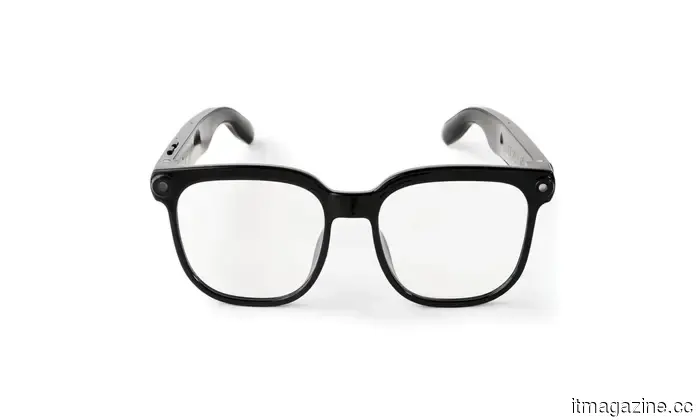
In contrast to Meta’s high-end product, the Anko glasses operate on HeyCyan software, which is already used in various low-cost smart glasses available through online platforms. While some users on Reddit describe the experience as noticeably slower than Meta's software, the essential functionalities are strikingly alike. This similarity is why privacy advocates are paying close attention. Camera-equipped glasses have sparked debate ever since Meta popularized the category. Although these devices feature an LED indicator meant to signal when recording is underway, critics have often questioned the effectiveness of such safeguards.
Ray-Ban
The issue at hand is not merely that individuals can film in public. It’s that the technology is becoming more discreet, making it hard for those nearby to know if they are being filmed or photographed. Tom Sulston, the head of policy at Digital Rights Watch, referred to smart glasses with cameras as a “privacy nightmare,” arguing that existing privacy regulations have failed to keep pace with the swiftly evolving wearable technology. He also highlighted instances in which social media influencers may have used similar devices to harass people in public, raising broader issues regarding consent and responsible utilization. Australia’s privacy authority has acknowledged the public's concerns regarding the technology and states that it is closely monitoring developments as adoption increases.
Meta's success has opened the floodgates
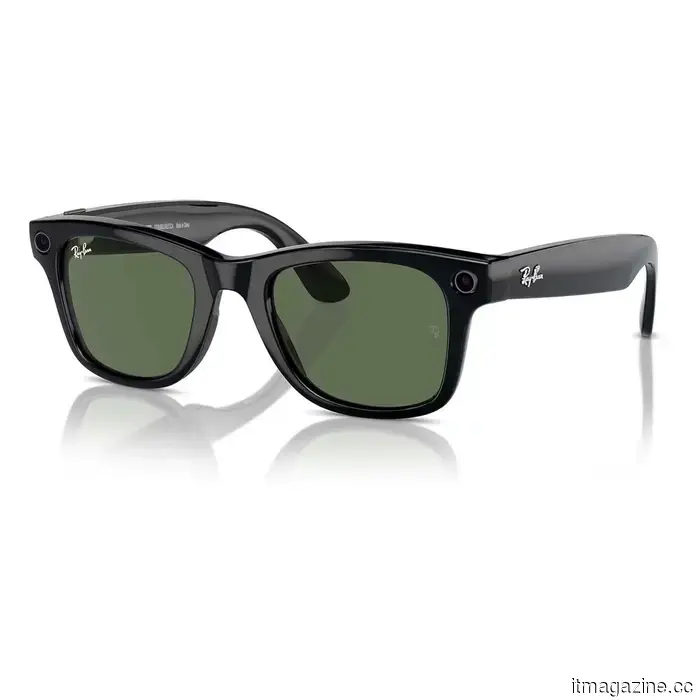
Meta has sold over 7 million pairs of its Ray-Ban smart glasses globally, transforming what was once viewed as a niche product into a burgeoning consumer sector. Celebrity promotions and continuous software enhancements have only amplified this momentum. The company has also had to address criticism. Recent software updates reportedly prevent recording if the device’s privacy LED is blocked, and Meta has taken steps against videos depicting users allegedly harassing strangers while wearing the glasses. Some organizations, including government bodies and events, have completely restricted or banned these devices due to safety and privacy worries.
Kmart
Kmart, for its part, asserts that its Anko glasses belong to an increasingly familiar category of wearable technology and anticipates that customers will utilize them responsibly and in line with local regulations. Whether this will suffice to assuage public concerns remains uncertain. Ironically, the rising backlash is affecting not just the individuals being recorded. Even some owners of smart glasses express discomfort wearing them publicly, fearing they might be judged or confronted merely for having a camera on their face. As AI-driven wearables grow cheaper and more widespread, such societal tension may become as commonplace as the technology itself.
Shimul is a contributor at Digital Trends, boasting over five years of experience in the tech industry.
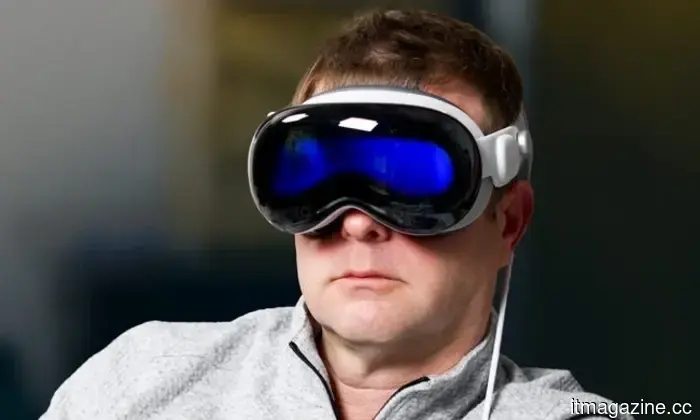
Apple’s next significant health venture could involve transforming glasses and headsets into fitness assistants.
A focus on fitness may help Apple differentiate its glasses from Meta’s strategy.
Apple’s widely speculated smart glasses are already behind schedule as the company seeks to mitigate the privacy issues associated with having cameras on someone’s face. Simultaneously, Apple may aim to make these glasses more practical than a conventional pair of smart eyewear.
According to Bloomberg, Apple is exploring methods to turn its upcoming glasses and Vision headsets into health and fitness companions. Their cameras and sensors could eventually monitor movement, analyze workouts, and aid users in enhancing their exercise routines.
Read more
The Moto Watch Ultra could reignite Motorola’s premium smartwatch aspirations.
A high-end Motorola smartwatch with LTE and 50-meter water resistance might be in the works.
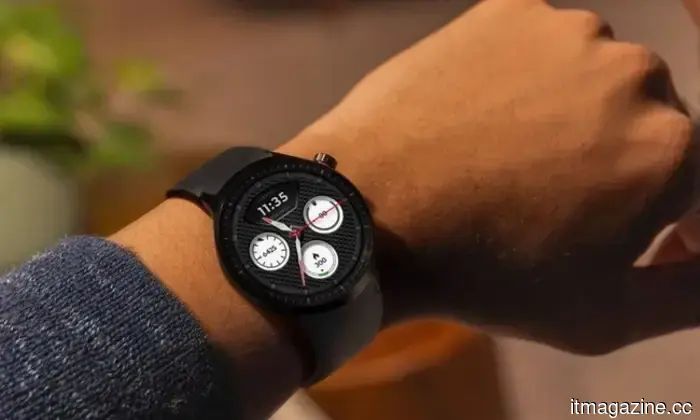
Motorola seems poised to enter the premium smartwatch market. Exclusive images obtained by The Mac Observer showcase an unnamed wearable referred to internally as Moto Watch Ultra, featuring a design that appears far more ambitious than the Moto Watch released earlier this year.
The images depict a circular display framed by a numbered bezel, a large rotating crown, and an extra side button. Motorola also seems to be incorporating a 46mm stainless steel case to give the watch a more upscale appearance than the aluminum frame used in the current Moto Watch. The leaked version features a black leather-style strap with red stitching and a matching red interior. The watch face displays steps, activity statistics, calories, time, and date.
Read more
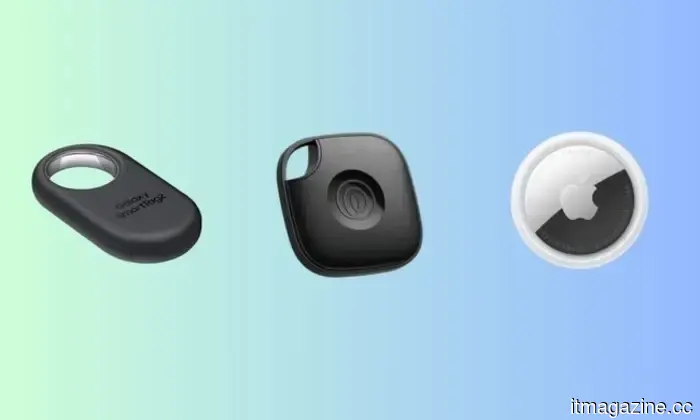
Google’s highly anticipated AirTag competitor has leaked ahead of its launch under a familiar name.
Google

Other articles
 TikTok reaches another settlement to avoid a jury trial regarding harm to teens.
TikTok resolved the three lawsuits it was scheduled to contest in October, continuing a streak that has spared it from any jury trials. In contrast, Meta and Google opted to contest their cases.
TikTok reaches another settlement to avoid a jury trial regarding harm to teens.
TikTok resolved the three lawsuits it was scheduled to contest in October, continuing a streak that has spared it from any jury trials. In contrast, Meta and Google opted to contest their cases.
 Nvidia and Dell support the AI cloud startup Volta, which has been valued at $2.4 billion.
AI cloud startup Volta has secured $300 million in funding and arranged for $5 billion in financing, achieving a valuation of $2.4 billion, with support from a16z, Altimeter, Nvidia, and Michael Dell.
Nvidia and Dell support the AI cloud startup Volta, which has been valued at $2.4 billion.
AI cloud startup Volta has secured $300 million in funding and arranged for $5 billion in financing, achieving a valuation of $2.4 billion, with support from a16z, Altimeter, Nvidia, and Michael Dell.
 The demand for AI is pushing data center developers to seek financing from banks.
As power has become the limiting factor for AI, data center developers are pursuing billions in bank financing commitments to secure electricity and facilitate construction.
The demand for AI is pushing data center developers to seek financing from banks.
As power has become the limiting factor for AI, data center developers are pursuing billions in bank financing commitments to secure electricity and facilitate construction.
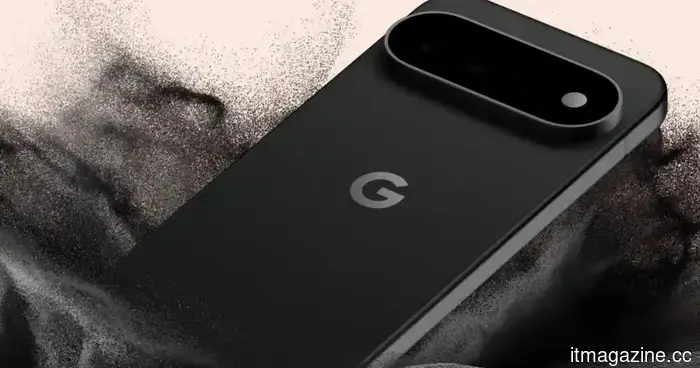 Google is once again facing challenges as the Pixel 11 Pro leaks emerge yet again.
New leaks regarding the Pixel 11 Pro showcase a sleeker matte design, improved zoom capabilities, and additional insights about Google's upcoming flagship device.
Google is once again facing challenges as the Pixel 11 Pro leaks emerge yet again.
New leaks regarding the Pixel 11 Pro showcase a sleeker matte design, improved zoom capabilities, and additional insights about Google's upcoming flagship device.
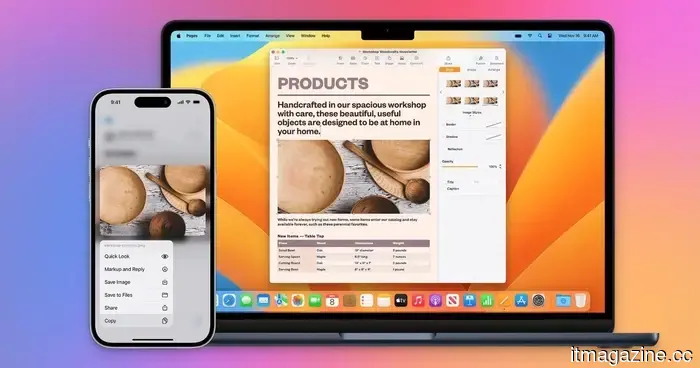 Apple is finally introducing one of my favorite Continuity features to Windows.
Apple is said to be developing a feature that will allow users to copy content on their iPhone and paste it on a Windows PC, following a request from Microsoft, but it may not be available until 2027 or beyond.
Apple is finally introducing one of my favorite Continuity features to Windows.
Apple is said to be developing a feature that will allow users to copy content on their iPhone and paste it on a Windows PC, following a request from Microsoft, but it may not be available until 2027 or beyond.
 The US has completed the process of establishing voluntary tests to assess the hacking capabilities of AI models.
The White House has completed a voluntary framework to evaluate the hacking abilities of advanced AI models in the US, just weeks after unauthorized agents infiltrated companies.
The US has completed the process of establishing voluntary tests to assess the hacking capabilities of AI models.
The White House has completed a voluntary framework to evaluate the hacking abilities of advanced AI models in the US, just weeks after unauthorized agents infiltrated companies.
Australia has just established a troubling precedent for invasive behavior with the introduction of affordable smartglasses.
Kmart's affordable AI smart glasses are selling rapidly, but they are also sparking a renewed discussion about privacy, surveillance, and whether the presence of wearable cameras has become overly commonplace.