

Booksellers are concerned that their rarest books may be destroyed to provide materials for AI. The investigation points to a 'recycler'.
We have discussed the reasons AI companies are acquiring older books: those published before the internet, filled with machine-generated text, provide a clean source of language, devoid of AI inaccuracies. This situation reveals concerns from a different perspective. In Australia, secondhand booksellers are worried that someone is dismantling and pulping the rarest books on their shelves to utilize for AI training.
This anxiety stems from a U.S. copyright lawsuit against Anthropic, initiated by authors. Unsealed documents disclosed a practice known as “destructive scanning”: purchasing a book, removing its spine, scanning the pages, and then disposing of the remaining material. The Washington Post reported that the company attempted to keep this information under wraps. However, a judge deemed the practice lawful under “transformative use.”
It is now understood that this practice is quite common, with 404 Media indicating that intermediaries have become involved in this process. This is where Australian booksellers come into play. Several noticed unusual patterns of orders through major secondhand marketplaces, like Abebooks and Biblio, prompting them to inquire about the buyers.
In many instances, the buyer turned out to be a Canadian "book recycler" named Zoom Books. As reported by the Guardian, the orders were not price-sensitive and appeared oddly random. Delfina Manor in Victoria received three boxes in May and requested that the orders cease. One order combined a 1970s soil mechanics manual with a $9 poetry book that had languished unsold for two decades.
‘More than just objects’
For sellers overwhelmed with inventory, these sales aren't entirely negative. Nick Dawes, who maintains around 500,000 books with his wife Jenny, is open to bulk sales. He draws the line at unique volumes. "If someone told me this is the only known copy and intends to cut it up, I would say I’d prefer not to send it to you."
Tim White of Books for Cooks expresses a similar sentiment. He wouldn’t lament the loss of a $20 book with half a million copies circulating in Australia, but for a one-of-a-kind item, “it’s horrific.” AI isn’t the first entity to destroy books for profit; dealers have historically cut rare volumes to sell their illustration plates. As bookseller Gwenyth Todd states, “to me, books are more than just objects.”
Two denials, one silence
Both companies mentioned in the article refute the most alarming claims. A spokesperson for Anthropic stated they have never purchased from Zoom Books and that they source from mainstream commercial markets, asserting, “none of our data acquisition programs buy and destroy rare or antiquarian books.” They added that acquiring books for training models is a common industry practice.
Zoom Books, whose co-founder noted on LinkedIn that the company had been “expanding aggressively,” claims it sells books whole and does not digitize them, recycling only what cannot be resold. However, they did not disclose whether they sell intact books to AI firms for scanning. They stated their commercial agreements require confidentiality.
This silence is concerning. No seller has proof their books were destroyed, and the issue lies in the lack of transparency, rather than a confirmed act. A bookseller can vet a visible buyer but cannot assess a supply chain obscured by a confidentiality agreement. For a standard paperback, the loss may not be significant, but for the last remaining copy of something, there is no way to reverse the damage.
Other articles
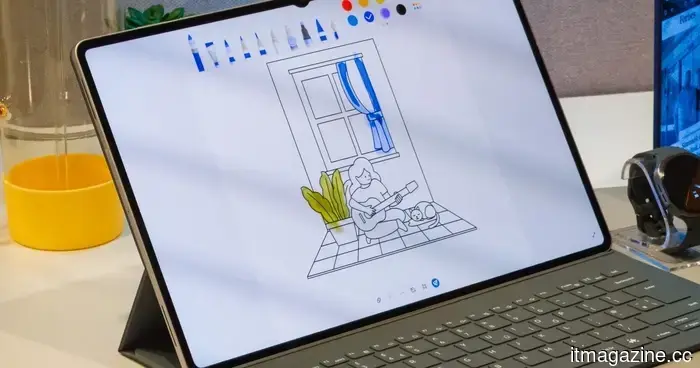 Samsung is once more relying on MediaTek to drive its flagship tablet.
A recent benchmark indicates that the Galaxy Tab S12 Ultra will feature MediaTek's Dimensity 9500, making it Samsung's third consecutive flagship tablet to utilize this chip.
A Korean chip startup has increased its valuation to $2.2 billion, betting that the next wave of AI revenue will come from outside the data center.
A South Korean chip design company that is relatively unknown outside its sector has now reached a valuation of $2.2 billion. DeepX has completed the initial phase of a Series D funding round, which values the company at around four times its earlier valuation. Additionally, it is still in the process of raising more funds.
Samsung is once more relying on MediaTek to drive its flagship tablet.
A recent benchmark indicates that the Galaxy Tab S12 Ultra will feature MediaTek's Dimensity 9500, making it Samsung's third consecutive flagship tablet to utilize this chip.
A Korean chip startup has increased its valuation to $2.2 billion, betting that the next wave of AI revenue will come from outside the data center.
A South Korean chip design company that is relatively unknown outside its sector has now reached a valuation of $2.2 billion. DeepX has completed the initial phase of a Series D funding round, which values the company at around four times its earlier valuation. Additionally, it is still in the process of raising more funds.
 India is set to prolong tax incentives favorable to Apple for contract manufacturing.
India aims to encourage Apple to continue its manufacturing activities. The government has suggested extending a tax incentive for foreign companies that provide manufacturing machinery to contract manufacturers, a modification specifically designed to support iPhone assembly. According to a draft bill...
India is set to prolong tax incentives favorable to Apple for contract manufacturing.
India aims to encourage Apple to continue its manufacturing activities. The government has suggested extending a tax incentive for foreign companies that provide manufacturing machinery to contract manufacturers, a modification specifically designed to support iPhone assembly. According to a draft bill...
 Google's upcoming XL Pixel could be lighter and more expensive, potentially featuring less RAM at launch.
A recent leak purportedly discloses the full specifications and pricing of the Pixel 11 Pro XL prior to Google's unveiling on August 12.
Google's upcoming XL Pixel could be lighter and more expensive, potentially featuring less RAM at launch.
A recent leak purportedly discloses the full specifications and pricing of the Pixel 11 Pro XL prior to Google's unveiling on August 12.
 Giant Network's Supernatural Action Team reinterprets horror by blending Chinese folklore with contemporary gameplay.
From July 31 to August 3, ChinaJoy 2026 turned the Shanghai New International Expo Center into a center for gaming, technology, and pop culture.
Giant Network's Supernatural Action Team reinterprets horror by blending Chinese folklore with contemporary gameplay.
From July 31 to August 3, ChinaJoy 2026 turned the Shanghai New International Expo Center into a center for gaming, technology, and pop culture.
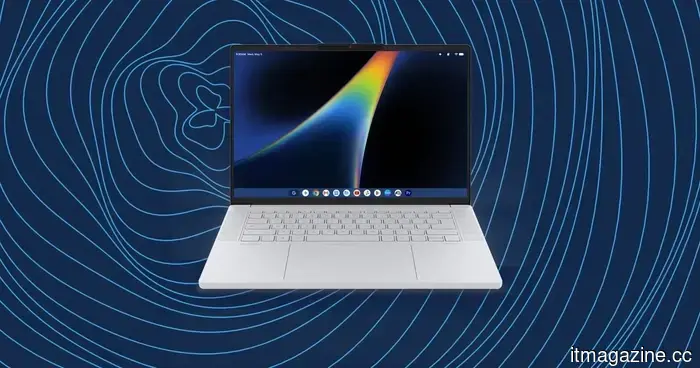 A recent Lenovo leak has provided us with the clearest view yet of Google’s venture beyond Chromebooks.
A complete collection of Lenovo Googlebook 15 renders showcases Google's Android-based desktop interface, specialized Gemini controls, ample ports, and a notably serious emphasis on productivity.
A recent Lenovo leak has provided us with the clearest view yet of Google’s venture beyond Chromebooks.
A complete collection of Lenovo Googlebook 15 renders showcases Google's Android-based desktop interface, specialized Gemini controls, ample ports, and a notably serious emphasis on productivity.
Booksellers are concerned that their rarest books may be destroyed to provide materials for AI. The investigation points to a 'recycler'.
We have discussed the reasons AI companies are acquiring older books: those printed before the internet, containing machine-generated text, serve as a pure source of language, devoid of AI imperfections. This illustrates the demand from a different perspective. In Aust