
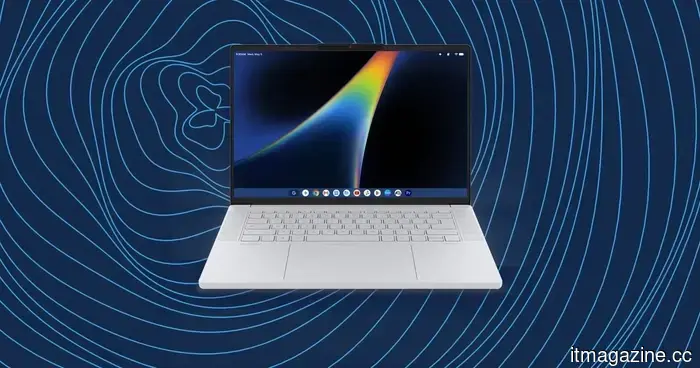
A recent Lenovo leak has provided us with the clearest view yet of Google’s venture beyond Chromebooks.
Chromebooks have spent 15 years establishing Google as a legitimate player in the laptop market. The recently leaked Lenovo Googlebook 15 indicates that the company aims for its next generation of Android-powered devices to compete with premium Windows laptops without the usual compromises. This model differentiates itself from Lenovo’s upcoming 2-in-1 tablet that was leaked a few days ago.
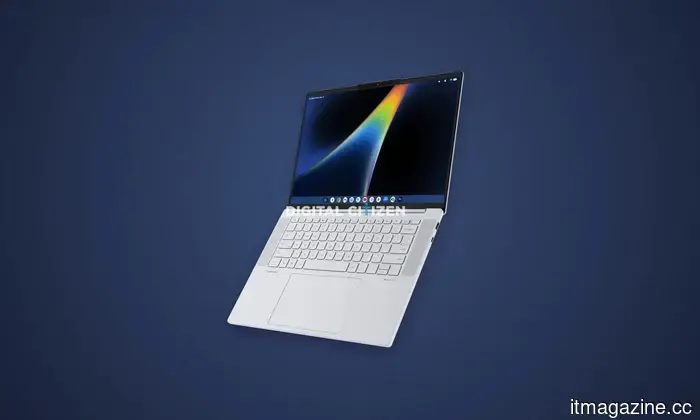
Digital Citizen has acquired what it claims to be the complete collection of press images for this unannounced laptop, showcasing its exterior, keyboard, ports, and offering the clearest glimpse yet of Google’s new desktop interface. While Lenovo has not officially announced the device, a formal reveal may happen at IFA in September.
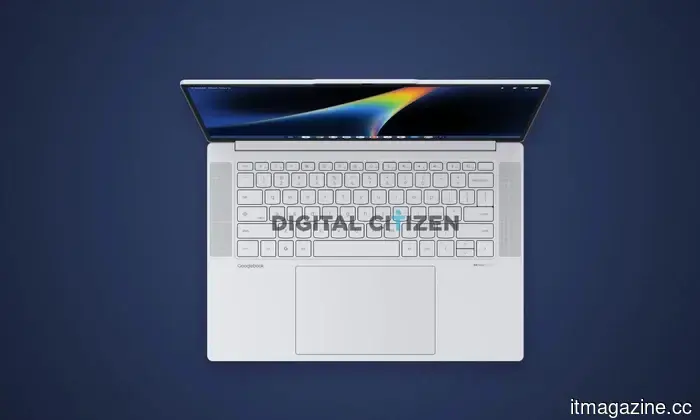
Google has replaced the Windows key with a Gemini key.
Digital Citizen
The 15-inch laptop features Googlebook branding on the palm rest, giving Google’s platform more visual emphasis compared to Lenovo’s standard IdeaPad or Yoga branding. A dedicated key featuring Google’s “G” logo replaces the typical Windows key, providing direct access to Gemini. Additionally, the Caps Lock key functions as an app launcher, and the function row consists of 14 keys that manage screenshots, accessibility, microphone muting, window management, and keyboard brightness.
Despite its larger chassis, there is no number pad, keeping the keyboard and oversized trackpad centered. Lenovo has also addressed the common issue of ultrabooks often having only two ports. The renders depict two USB-C ports, a USB-A port, HDMI, an SD card reader, and a headphone jack. The upward-facing speakers feature Dolby Atmos branding, and the slim webcam notch includes a physical privacy shutter. It is hoped that this model will improve upon the typical audio quality shortcomings found in Windows laptops.
Android finally receives a desktop-ready interface.
Digital Citizen
The leaked interface might be the most significant aspect of this reveal. A phone-style status bar runs along the top, displaying battery, Wi-Fi, notifications, and Gemini icons, while a traditional taskbar is located at the bottom. This taskbar includes icons for Chrome, Gmail, Calendar, YouTube, Google Photos, the Play Store, Canva, and Adobe Premiere Pro. The presence of the Premiere Pro icon is particularly notable as it suggests potential performance, although its inclusion in promotional materials does not confirm which version of Adobe’s software will be available or the extent of its performance capabilities.
Google describes Googlebooks as a combination of Android apps, ChromeOS technology, enhanced phone integration, Gemini’s Magic Pointer, and premium hardware from manufacturers like Acer, Asus, Dell, HP, and Lenovo. The first models are expected to be released this fall. Specific details regarding storage, battery capacity, pricing, and other factors remain undisclosed, which will determine whether they can compete with Windows laptops.
Other articles
 India takes steps to prolong tax incentives favorable to Apple for contract manufacturing.
India aims to continue supporting Apple’s manufacturing efforts. The government has suggested prolonging a tax incentive for foreign companies that provide manufacturing equipment to contract manufacturers, a modification specifically designed with iPhone production in focus. According to a draft bill...
India takes steps to prolong tax incentives favorable to Apple for contract manufacturing.
India aims to continue supporting Apple’s manufacturing efforts. The government has suggested prolonging a tax incentive for foreign companies that provide manufacturing equipment to contract manufacturers, a modification specifically designed with iPhone production in focus. According to a draft bill...
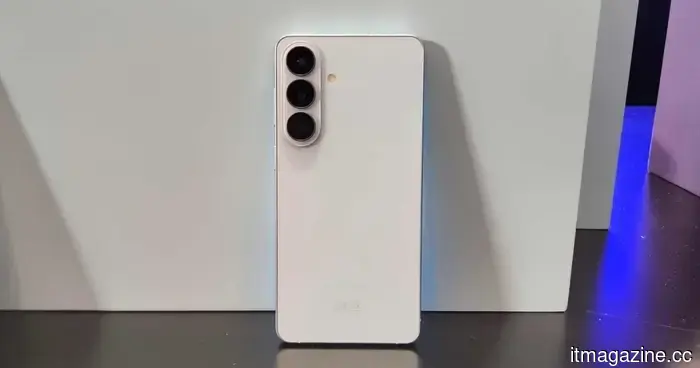 Samsung might have reduced the specifications of the Galaxy S27 Pro's zoom lens to lower expenses.
A recent report indicates that Samsung's Galaxy S27 Pro might come equipped with a smaller, shorter-range zoom camera than earlier anticipated, attributing this adjustment to increasing component costs.
Samsung might have reduced the specifications of the Galaxy S27 Pro's zoom lens to lower expenses.
A recent report indicates that Samsung's Galaxy S27 Pro might come equipped with a smaller, shorter-range zoom camera than earlier anticipated, attributing this adjustment to increasing component costs.
 Booksellers are concerned that their most unique books are being destroyed to supply AI. The investigation points to a 'recycler'.
We have discussed the reasons behind AI companies acquiring old books: printed prior to the internet and filled with machine-generated text, they serve as a pure source of language, devoid of AI noise. This illustrates the demand from the opposing perspective. In Aust
Booksellers are concerned that their most unique books are being destroyed to supply AI. The investigation points to a 'recycler'.
We have discussed the reasons behind AI companies acquiring old books: printed prior to the internet and filled with machine-generated text, they serve as a pure source of language, devoid of AI noise. This illustrates the demand from the opposing perspective. In Aust
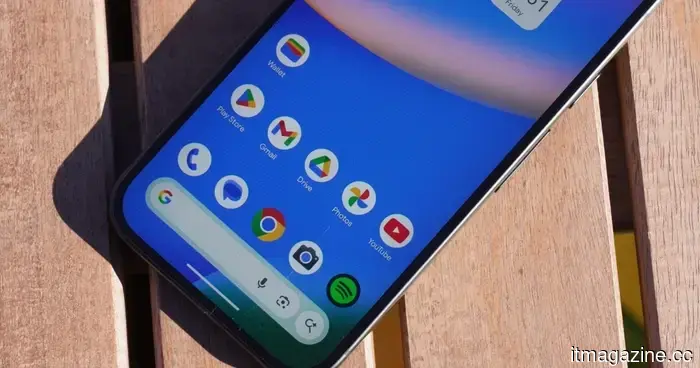 The redesign of Google's voice search might make its AI search tools more accessible.
Google is experimenting with a revamped voice search interface that combines standard search, AI Mode, Search Live, and Song Search into a single swipeable toolbar.
The redesign of Google's voice search might make its AI search tools more accessible.
Google is experimenting with a revamped voice search interface that combines standard search, AI Mode, Search Live, and Song Search into a single swipeable toolbar.
 Nvidia’s CUDA advantage encounters its initial significant challenge: artificial intelligence.
Nvidia’s supremacy is based on CUDA, not solely on its hardware. AI coding assistants and the transition to inference represent the initial real challenges to that software barrier.
Nvidia’s CUDA advantage encounters its initial significant challenge: artificial intelligence.
Nvidia’s supremacy is based on CUDA, not solely on its hardware. AI coding assistants and the transition to inference represent the initial real challenges to that software barrier.
A recent Lenovo leak has provided us with the clearest view yet of Google’s venture beyond Chromebooks.
A complete collection of Lenovo Googlebook 15 renders showcases Google's Android-based desktop interface, specialized Gemini controls, ample ports, and a notably serious emphasis on productivity.