
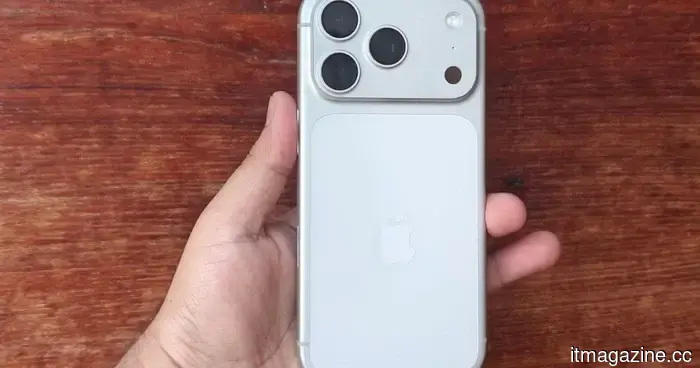
Apple’s leasing program is merely a gentle way for you to invest in more expensive iPhones this year.
A few days ago, Apple unveiled a new “Upgrade” program, which functions as a leasing option for purchasing Apple hardware. Rather than paying the entire price upfront, buyers can spread the costs over monthly payments (12, 24, or 36 months). At the end of the lease, customers have the option to return the device, upgrade to a new one, or pay off the remaining balance and keep the device permanently.
The basic concept is straightforward. Instead of absorbing a thousand-dollar expense at once, customers can distribute the cost into smaller monthly payments. For a flagship iPhone, this generally amounts to around a dollar per day, while budget phones like the iPhone 17e come down to just fifty cents daily when broken down. At least that’s how Apple is presenting it.
“It’s a method to access a product affordably, especially for those who want to upgrade on a regular basis,” said outgoing Apple CEO Tim Cook during the company’s recent earnings call. The timing of this launch is no coincidence.
According to Bloomberg, Apple has been developing this program for years but only chose to introduce it in 2026. What else is happening in 2026? A potential price increase for iPhones. Analyst predictions suggest that the iPhone 18 Pro duo could see price hikes of up to $300 for the flagship model.
This plan is designed to ease the financial impact and make upgrades less burdensome.
Consider facing a price tag of nearly $1400-1500 for an iPhone. These hikes seem inevitable if we take Apple’s statements at face value. The recent price increases for Mac and iPad hardware also illustrate this trend. And let’s not overlook the upcoming foldable iPhone.
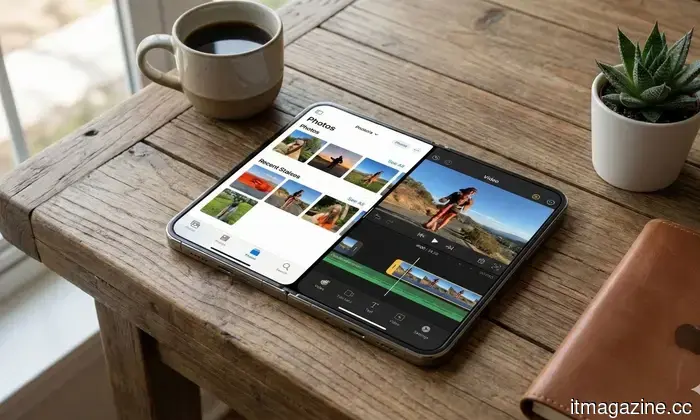
Multiple reports, including credible sources like Bloomberg, indicate that this device will exceed $2,000. Samsung’s latest Galaxy Z Fold 8 Ultra starts at $2,100, so it wouldn’t be surprising for Apple to surpass that price point.
I know several people in my immediate circle who own foldable phones, and none of them made the purchase in one payment. Spending close to two thousand dollars on a phone doesn’t seem practical. Moreover, someone willing to spend that much on a phone is likely to be tech-savvy and inclined to switch to a new model every year or two.
That's precisely what Apple aims to address. “If you look at the Apple Upgrade, it’s about making it simpler for customers to access our latest products with a leasing plan tailored to them,” Cook stated during the earnings call.
Apple is not only providing a more affordable option for short-term ownership of an iPhone, but it is also preparing the market for its undoubtedly premium foldable iPhone set to debut this fall.
Even in developing nations like India, a significant number of iPhone users rely on local financing options to acquire these devices. Given that Apple’s Upgrade program offers unlocked devices, the target audience is likely to embrace it.
The silver lining.
I’ll be clear: leasing and ownership are fundamentally different. With the Upgrade program, Apple essentially wants to keep you within its ecosystem. You don’t truly own the device; you either return it to Apple at the end of the lease or exchange it for a new iPhone, Mac, Apple Watch, or iPad.
If you do the math, unless you enjoy upgrading technology without wanting to pay hundreds each time for the latest iPhone, you may not find it a particularly rewarding deal. However, there is a third option that could benefit many.
At lease end, you can pay off the remaining balance, convert the lease to full ownership, and then resell the device in the second-hand market. The advantage? iPhones generally depreciate at a much slower rate than other competing brands' products.
Apple is well aware of this, and even its CEO subtly encourages potential customers to consider this option. “Of course, as you know, the residual values of Apple products tend to be significantly higher than those of many of our competitors,” Cook mentioned during Apple’s Q2 earnings call.
This has been a recurring observation I’ve made over the years, not just with iPhones but also with Macs, iPads, and Apple Watches. Apple is capitalizing on a market position it has cultivated over decades, allowing it to reap benefits that are simply unattainable for its competitors.
Other articles
 Apple's forthcoming major initiative in health may involve transforming glasses and headsets into fitness partners.
A recent job posting from Apple indicates that the company aims to integrate health and fitness functionalities as a significant aspect of its upcoming glasses and headsets.
Apple's forthcoming major initiative in health may involve transforming glasses and headsets into fitness partners.
A recent job posting from Apple indicates that the company aims to integrate health and fitness functionalities as a significant aspect of its upcoming glasses and headsets.
 AI-generated stories are ruining childhood experiences.
AI-generated subpar books are already causing trouble for the publishing industry and readers alike. Now, older generations are giving personalized AI-written storybooks to young children as gifts.
AI-generated stories are ruining childhood experiences.
AI-generated subpar books are already causing trouble for the publishing industry and readers alike. Now, older generations are giving personalized AI-written storybooks to young children as gifts.
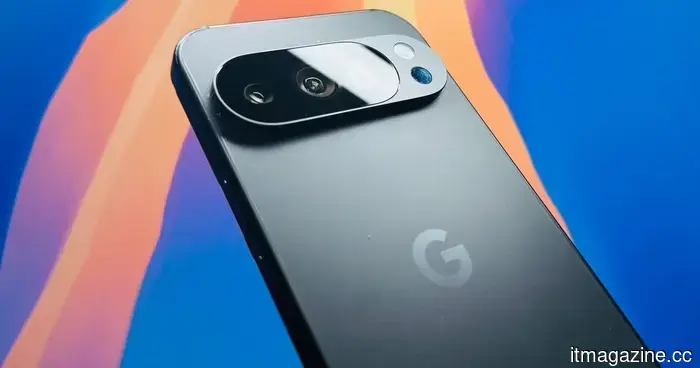 Leaked details about the Google Pixel 11 Pro have emerged, showing slight upgrades in specifications along with an increased price.
A recent leak has revealed the complete specifications and pricing of the Pixel 11 Pro ahead of Google’s unveiling on August 12.
Leaked details about the Google Pixel 11 Pro have emerged, showing slight upgrades in specifications along with an increased price.
A recent leak has revealed the complete specifications and pricing of the Pixel 11 Pro ahead of Google’s unveiling on August 12.
Apple’s leasing program is merely a gentle way for you to invest in more expensive iPhones this year.
Apple's new lease program for acquiring its hardware is a smart strategy to ease the financial impact of the upcoming, more expensive iPhones.