
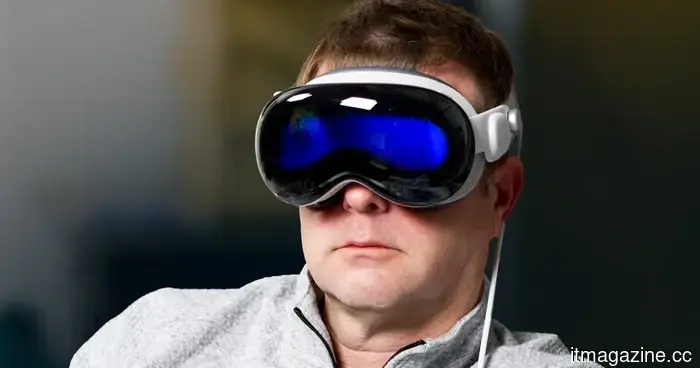
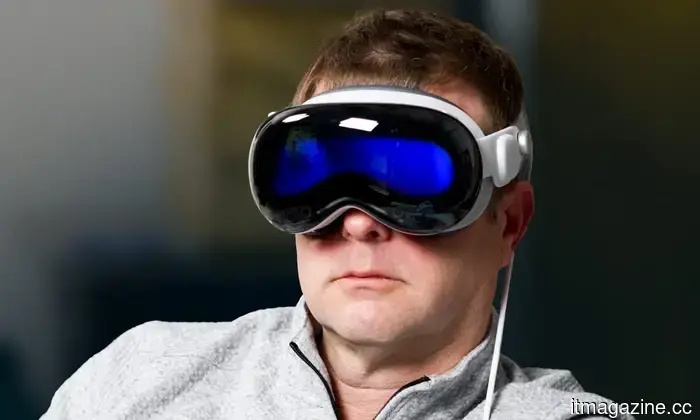
Apple's forthcoming major initiative in health may involve transforming glasses and headsets into fitness partners.
Digital Trends may receive a commission when you make purchases through links on our website. Why should you trust us?
A focus on fitness could allow Apple to differentiate its glasses from Meta’s approach.
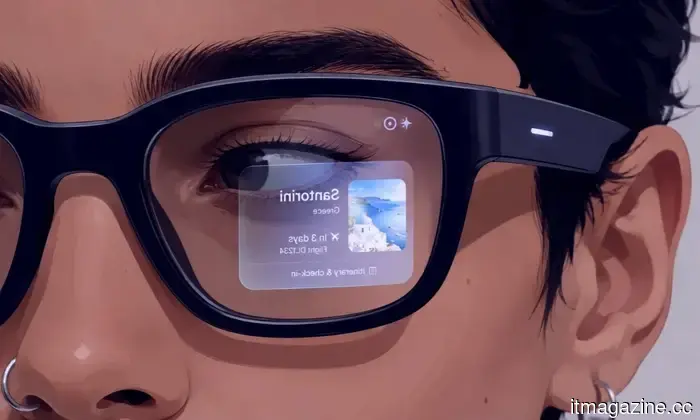
Apple's long-anticipated smart glasses are already behind schedule as the company seeks to address the privacy issues associated with having cameras on users' faces. Simultaneously, Apple might be aiming to develop these glasses into something significantly more functional than standard smart glasses.
As reported by Bloomberg, Apple is investigating ways to transform its upcoming glasses and Vision headsets into companions for health and fitness. Their cameras and sensors could, in time, monitor movement, evaluate workouts, and assist users in enhancing their exercise routines.
A recent job posting by Apple lends credence to this claim. The Vision Products Group is searching for a strategic product design leader to help "define the future of health, well-being, and fitness experiences across vision products." They are also seeking someone with experience in developing digital health products and features driven by sensors.
What functions could the glasses serve during workouts?
Apple is said to have had similar ambitions for the initial Vision Pro. The company planned a version of Apple Fitness+ that would enable users to participate in classes within the headset while its body-tracking technology assessed their movements. However, it was never released due to technical challenges and the Vision Pro being too heavy for comfortable use during most exercises.
A lighter set of smart glasses would be more practical. Cameras and various sensors could potentially assist in monitoring exercise technique, counting repetitions, tracking posture, or detecting incorrect movements.
Privacy remains a significant concern. Apple has reportedly considered creating glasses without cameras, as well as a version of the glasses equipped with cameras that could interpret the environment without taking pictures or recording videos. This approach could still allow for movement tracking while making the glasses feel less intrusive. Bloomberg does not anticipate these health features to be available in the first generation, which is expected to debut around late 2027.
AirPods already indicate Apple's direction
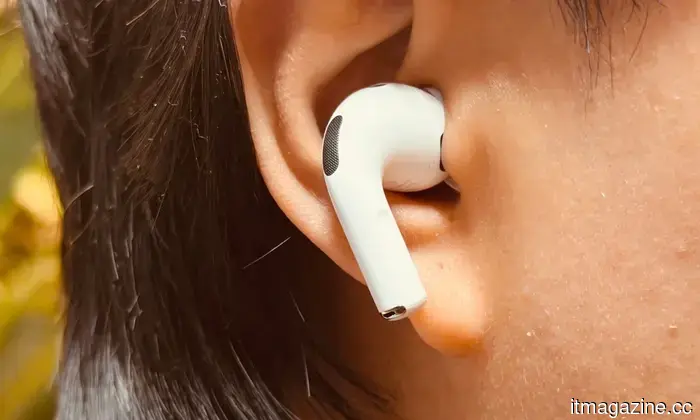
Apple has already transformed AirPods into more than just earbuds for music and calls. They now support heart-rate tracking, enabling users to monitor their pulse and calorie expenditure during workouts. AirPods also provide hearing health features that can transform them into a hearing aid system.
Nadeem Sarwar / Digital Trends
Reports suggest that camera-equipped AirPods are on the horizon. These infrared sensors would not capture standard images or videos but could enhance Siri’s spatial awareness, allowing it to better interpret the surroundings of the user.
Future glasses and headsets could adopt a similar method by tracking the user's movements and their surroundings. Although none of these fitness features has been officially announced, Apple appears to be laying the groundwork for health tracking that goes beyond the wrist and ears.
I've accumulated around four years of experience, primarily focusing on gaming, PC hardware, and smartphones. In my leisure time, I enjoy…
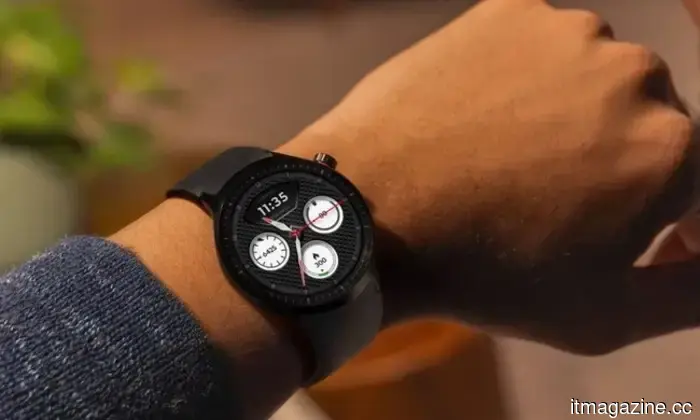
The Moto Watch Ultra could revive Motorola’s premium smartwatch ambitions
Motorola may be gearing up to enter the premium smartwatch market. Exclusive renders acquired by The Mac Observer depict an unreleased wearable dubbed the Moto Watch Ultra, featuring a design that appears significantly more ambitious than the Moto Watch introduced earlier this year.
The images feature a circular display encircled by a numbered bezel, a large rotating crown, and an additional side button. Motorola seems to be utilizing a 46mm stainless steel case for a more premium finish compared to the aluminum frame of the current Moto Watch. The leaked model is shown with a black leather-style strap adorned with red stitching and a coordinating red inner lining, while its watch face displays steps, activity metrics, calorie count, time, and date.
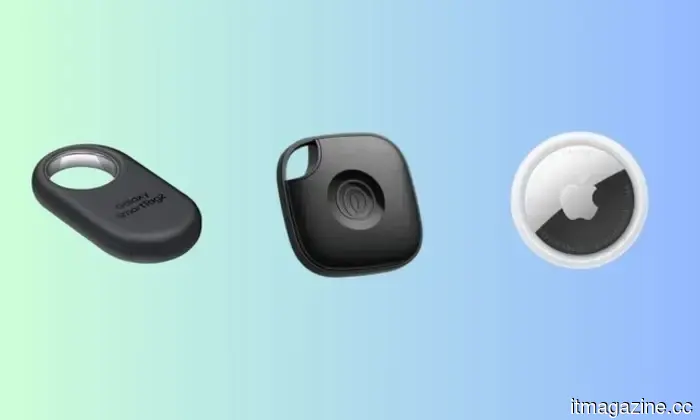
Google’s long-anticipated AirTag competitor just leaked ahead of its launch under a familiar name
Google has been enhancing Android's Find Hub network for the past few years, making it simpler to track lost devices and accessories. However, there has been a noticeable absence of a first-party tracker. This may soon change.
As reported by 9to5Google, Google's long-speculated Pixel Tag has finally surfaced. The accessory has appeared in several online listings, with the report also revealing what seems to be its initial leaked image, providing an early glimpse of Google’s version of Apple’s AirTag and Samsung’s Galaxy SmartTag.
A smart glasses detection app is now among the top paid apps on Apple’s App Store
The emergence of smart glasses has sparked such concern that users are purchasing proximity alerts.
An iPhone app designed to notify users when smart glasses are nearby has surged to No. 3 on the US paid App Store chart. Its name, AntiZuck Smart Glasses Scanner, clearly reflects the developer's stance on Meta’s camera-equipped glasses.
The app, priced at $2.99, scans for Bluetooth signals connected to smart glasses. It can identify Meta Ray-Bans, Snap Spectacles, Amazon Echo Frames, and RayNeo glasses, sending alerts whenever it detects one in the vicinity.


Other articles
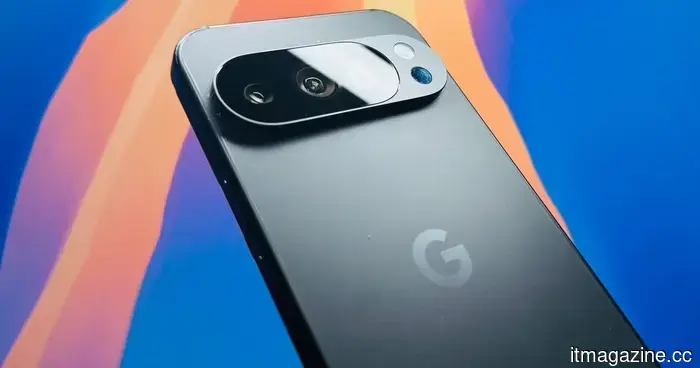 Leaked details about the Google Pixel 11 Pro have emerged, showing slight upgrades in specifications along with an increased price.
A recent leak has revealed the complete specifications and pricing of the Pixel 11 Pro ahead of Google’s unveiling on August 12.
Leaked details about the Google Pixel 11 Pro have emerged, showing slight upgrades in specifications along with an increased price.
A recent leak has revealed the complete specifications and pricing of the Pixel 11 Pro ahead of Google’s unveiling on August 12.
 AI-generated stories are ruining childhood experiences.
AI-generated subpar books are already causing trouble for the publishing industry and readers alike. Now, older generations are giving personalized AI-written storybooks to young children as gifts.
AI-generated stories are ruining childhood experiences.
AI-generated subpar books are already causing trouble for the publishing industry and readers alike. Now, older generations are giving personalized AI-written storybooks to young children as gifts.
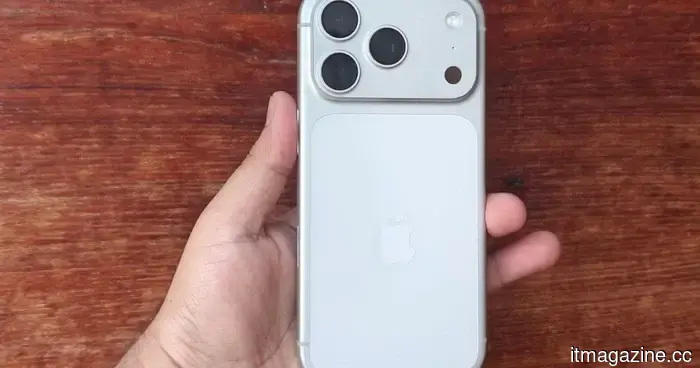 Apple’s leasing program is merely a gentle way for you to invest in more expensive iPhones this year.
Apple's new lease program for acquiring its hardware is a smart strategy to ease the financial impact of the upcoming, more expensive iPhones.
Apple’s leasing program is merely a gentle way for you to invest in more expensive iPhones this year.
Apple's new lease program for acquiring its hardware is a smart strategy to ease the financial impact of the upcoming, more expensive iPhones.
Apple's forthcoming major initiative in health may involve transforming glasses and headsets into fitness partners.
A recent job posting from Apple indicates that the company aims to integrate health and fitness functionalities as a significant aspect of its upcoming glasses and headsets.