
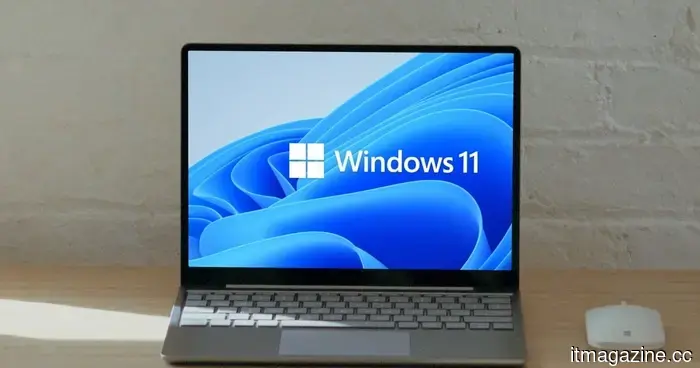
Microsoft aims to optimize Windows to perform effectively with only 8GB of RAM. This is something we urgently require.
The year 2026 has ushered in a significant change for Microsoft after a prolonged period of frustrating users with confusing processes, poorly optimized UI elements, and excessive bloatware that can severely slow down any Windows system. The company has finally entered a new phase, addressing numerous minor issues, from the right-click behavior to enhancing the Search system.
The next significant objective is to ensure Windows 11 operates seamlessly on PCs with just 8GB of RAM. This means entry-level and budget laptops will at least function adequately, albeit at the cost of on-device AI features. The shift towards an AI-first approach on Windows 11 devices is somewhat demanding on available hardware.
Achieving a full OS experience without lag on a desktop or laptop with merely 8GB of RAM is becoming increasingly difficult. This challenge is mirrored in Apple’s well-optimized macOS, where running the latest AI-heavy versions on older MacBooks with 8GB of RAM— or even the new MacBook Pro— can be frustrating unless AI processes are disabled.
Pavan Davuluri, Microsoft’s EVP of the Windows and Devices portfolio, stated that the company’s next goal is to optimize memory for devices with 8GB of RAM. In a blog post, he noted, “Reducing Windows memory footprint to deliver a fast and responsive Windows experience across the PCs customers use every day.” The out-of-the-box setup will also be simplified, and improvements to parental controls are anticipated.
The conditions in the PC and laptop segment are quite bleak, largely due to AI and the pricing fluctuations caused in the memory and storage supply chain. RAM prices have surged more than fourfold in a year and are expected to continue climbing. Recently, Samsung, a leading memory supplier, indicated that relief from this situation may not arrive until 2028 at the earliest.
Consequently, the average selling price of laptops has been rising, forcing even companies like Apple to increase their prices recently. Analyst forecasts are also disappointing. Ranjit Atwal, Senior Director Analyst at Gartner, commented in a research note, “The sub-$500 entry-level PC segment will disappear by 2028.” The report further states that PC memory costs are anticipated to peak at 23% of the total bill-of-materials (BOM), up from 16% in 2025.
A significant advancement
This is where things get complicated. Operating system developers are increasingly incorporating AI into workflows, whether for desktops or mobile devices, and Microsoft is no exception. Over the past few years, the company has made efforts to integrate the Copilot AI experience throughout the Windows environment and its applications.
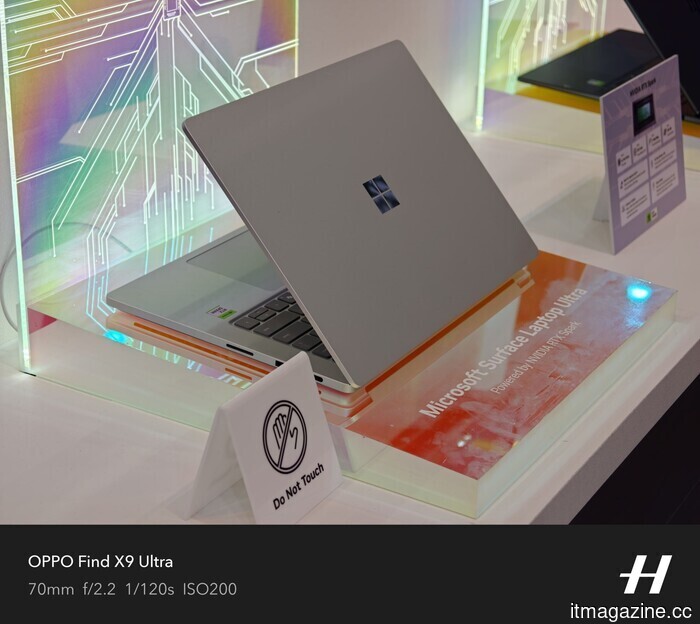
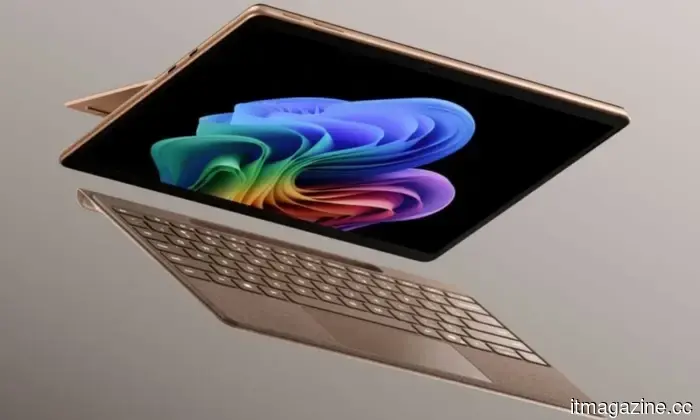
Microsoft even established a baseline hardware requirement (an NPU exceeding 40TOPS and 16GB of RAM) for a PC to be classified as a Copilot+ device. However, the company quickly recognized this misstep. Due to the steep prices of its latest Surface hardware and their growing inaccessibility, Microsoft released a scaled-back version of its latest Surface laptops, equipped with just 8GB of RAM and not featuring Copilot+ branding, as supporting all those on-device AI functionalities on such a machine is impractical.
Nonetheless, Copilot isn’t the only obstacle making budget laptops challenging to use with only 8GB of RAM. Numerous background processes and redundancies lead to slower performance on Windows with that amount of memory, while macOS manages to perform significantly better. Having used both Apple’s MacBook Air and Neo laptops with the same RAM, I've found they perform far more reliably than budget Windows laptops with similar memory specifications.
I’m pleased to see Microsoft finally recognizing its oversight and working to reduce the bloatware that could enable smoother performance on laptops and PCs with 8GB of RAM. Given the current market landscape, affordable laptops with 8GB of RAM are urgently needed. Intel is pursuing this vision with Project Dragonwing. Let’s hope Microsoft can achieve something remarkable. While my confidence is not high, I remain optimistic!
Other articles
 The EU approves the $55 billion acquisition of EA by a Saudi-led consortium in accordance with its subsidy regulations.
The European Commission has given its approval for the take-private of Electronic Arts led by PIF, in accordance with its Foreign Subsidies Regulation, eliminating one of the final obstacles to the largest leveraged buyout in history.
The European Union has authorized the $55 billion acquisition of
The EU approves the $55 billion acquisition of EA by a Saudi-led consortium in accordance with its subsidy regulations.
The European Commission has given its approval for the take-private of Electronic Arts led by PIF, in accordance with its Foreign Subsidies Regulation, eliminating one of the final obstacles to the largest leveraged buyout in history.
The European Union has authorized the $55 billion acquisition of
 Oracle incorporated its cloud competitor's AI into its business applications, resulting in an 8% increase in its stock.
Oracle has integrated its competitor's AI technology into the software that its customers utilize for their businesses, prompting a positive reaction from investors. The company announced on Thursday that it is enhancing its collaboration with Google Cloud to incorporate Gemini into Oracle's enterprise offerings.
Oracle incorporated its cloud competitor's AI into its business applications, resulting in an 8% increase in its stock.
Oracle has integrated its competitor's AI technology into the software that its customers utilize for their businesses, prompting a positive reaction from investors. The company announced on Thursday that it is enhancing its collaboration with Google Cloud to incorporate Gemini into Oracle's enterprise offerings.
 Oracle integrated its competitor's AI into its business applications, leading to an 8% increase in its stock.
Oracle has recently integrated its cloud competitor's AI into the software used by its customers to operate their businesses. This move was well-received by investors. On Thursday, the company announced that it is enhancing its partnership with Google Cloud to incorporate Gemini into Oracle’s enterprise offerings.
Oracle integrated its competitor's AI into its business applications, leading to an 8% increase in its stock.
Oracle has recently integrated its cloud competitor's AI into the software used by its customers to operate their businesses. This move was well-received by investors. On Thursday, the company announced that it is enhancing its partnership with Google Cloud to incorporate Gemini into Oracle’s enterprise offerings.
 A $2 sticker undermines the single element that keeps Meta's 'pervert glasses' intact.
Meta's solution to the issue of "pervert glasses" involved a small light that activates when the camera is recording, serving as a warning to those nearby. However, a sticker priced at a few dollars can turn it off. Karissa Bell from Engadget evaluated these workarounds.
A $2 sticker undermines the single element that keeps Meta's 'pervert glasses' intact.
Meta's solution to the issue of "pervert glasses" involved a small light that activates when the camera is recording, serving as a warning to those nearby. However, a sticker priced at a few dollars can turn it off. Karissa Bell from Engadget evaluated these workarounds.
 The chips that connect GPUs are now the sought-after commodity. Xsight has secured $300 million to offer an open version.
The surge in artificial intelligence has brought GPUs into the spotlight. Meanwhile, the unassuming chips that connect thousands of these GPUs are quietly increasing in value. Xsight Labs, an Israeli semiconductor company, announced on Thursday that it has secured over $300 million at a valuation of $2.8 billion.
The chips that connect GPUs are now the sought-after commodity. Xsight has secured $300 million to offer an open version.
The surge in artificial intelligence has brought GPUs into the spotlight. Meanwhile, the unassuming chips that connect thousands of these GPUs are quietly increasing in value. Xsight Labs, an Israeli semiconductor company, announced on Thursday that it has secured over $300 million at a valuation of $2.8 billion.
 The Spotlight algorithm on Snapchat now prioritizes videos created by humans rather than those generated by AI.
Snapchat will cease recommending entirely AI-generated videos on Spotlight, prioritizing genuine human-created content, while still permitting AI-edited videos to be featured.
The Spotlight algorithm on Snapchat now prioritizes videos created by humans rather than those generated by AI.
Snapchat will cease recommending entirely AI-generated videos on Spotlight, prioritizing genuine human-created content, while still permitting AI-edited videos to be featured.
Microsoft aims to optimize Windows to perform effectively with only 8GB of RAM. This is something we urgently require.
Optimizing memory usage is the next major objective for Windows. Let's hope Microsoft fulfills this commitment.