
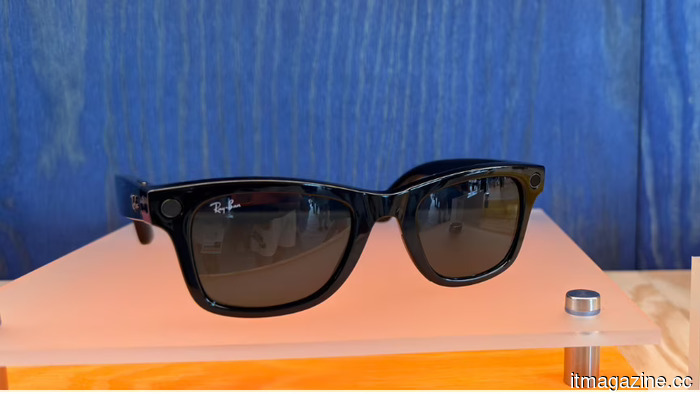
A $2 sticker undermines the single element that keeps Meta's 'pervert glasses' intact.
Meta's solution to the issue of "pervert glasses" was a small light that activates when the camera is recording, serving as a warning to those nearby. A low-cost sticker can disable this feature.
Engadget’s Karissa Bell tested some of the workarounds currently available, including inexpensive LED-blocking stickers sold as “privacy” accessories. One pack was priced at $16.99 for twelve stickers. When she wore the stickers on her second-generation Ray-Ban Meta glasses outdoors, the recording light was not visible and did not trigger Meta’s tamper alert.
This is where things get tricky. Meta implemented a mandatory update that disables the camera if the LED is physically damaged. However, the stickers do not damage it; they emit just enough light to deceive the sensor, preventing any alarms from sounding, and it is challenging to determine who is concealing the light.
The crackdown on misuse was already proving ineffective. The stickers were introduced weeks after Meta declared a prohibition on filming individuals harassing others with the glasses. This ban has not made a significant impact. An investigation by Oligarch Watch, reported by Futurism, discovered numerous such videos still active on Meta’s platforms.
Many of these videos are created by “pickup artists” who approach women in public and evaluate their appearances on camera. One account has shared dozens of clips since the ban, while another content creator, boasting over 500,000 followers, has garnered millions of views by ridiculing women’s appearances in public. In one video, a man films a girl who states she is 17 years old.
While some flagged accounts were removed following the investigation, the effect was minimal. Instagram's head, Adam Mosseri, had vowed to take action “in every way we can.” Meta has now declared that it is investigating methods to detect tampering, will remove listings selling such stickers, and will ban repeat violators.
Moreover, the recording light is not the only concern. Meta’s glasses have exposed their users, with reports of contractors reviewing private footage captured by the devices, and Meta utilizing some clips to train its AI. Its intentions regarding facial recognition have raised alarms among U.S. lawmakers and privacy advocates.
Competitors are facing similar challenges. Apple has reportedly struggled with the decision to include a camera due to fears of being perceived as intrusive. Creating a wearable technology that people feel comfortable with is proving trickier than simply producing one that sells.
Despite the controversies, sales have remained strong. According to Ray-Ban manufacturer EssilorLuxottica, revenue from smart glasses nearly doubled year over year in the second quarter, as first reported by Gizmodo. Meta sold around 7 million pairs in 2025. The criticism is loud, but the sales figures are even louder.
There is a notable twist to this situation. DuckDuckGo has launched $35 sunglasses that lack a camera, microphone, and AI, marketed as “anti-surveillance eyewear.” These add to a small selection of camera-free glasses. For the time being, both the recording glasses and those that intentionally do not include cameras are experiencing high sales.
Other articles
.jpg) Three underrated TV series on Prime Video to check out this weekend (July 31-August 2).
Searching for something fresh to watch this weekend? These three overlooked treasures on Prime Video offer exceptional writing, authentic performances, and captivating narratives for your viewing pleasure.
Three underrated TV series on Prime Video to check out this weekend (July 31-August 2).
Searching for something fresh to watch this weekend? These three overlooked treasures on Prime Video offer exceptional writing, authentic performances, and captivating narratives for your viewing pleasure.
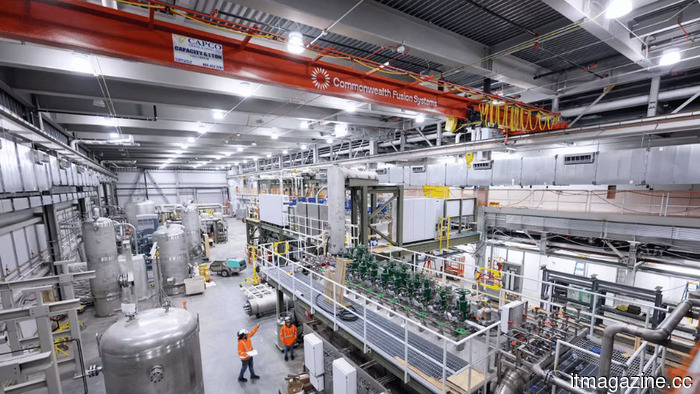 Fusion's most well-funded venture has secured an additional $1 billion and brought on board the banker responsible for taking Moderna public.
The surge in AI requires massive amounts of electricity, which has transformed fusion, long ridiculed as “30 years away,” into a highly sought-after investment in technology. The top-funded company has just secured an additional $1 billion. Commonwealth Fusion Systems, located
Fusion's most well-funded venture has secured an additional $1 billion and brought on board the banker responsible for taking Moderna public.
The surge in AI requires massive amounts of electricity, which has transformed fusion, long ridiculed as “30 years away,” into a highly sought-after investment in technology. The top-funded company has just secured an additional $1 billion. Commonwealth Fusion Systems, located
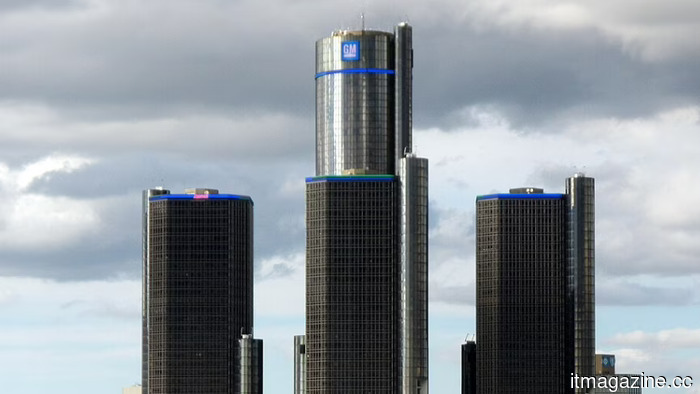 GM is developing its own in-vehicle AI assistant since Google’s Gemini is unable to access the information that the car possesses.
TL;DRGM is set to introduce a proprietary AI assistant later this year that surpasses Gemini by incorporating OnStar, vehicle telemetry, and predictive maintenance features. The specific LLM provider has not been disclosed. Gemini will remain in service. General Motors will debut its in-vehicle AI assistant.
GM is developing its own in-vehicle AI assistant since Google’s Gemini is unable to access the information that the car possesses.
TL;DRGM is set to introduce a proprietary AI assistant later this year that surpasses Gemini by incorporating OnStar, vehicle telemetry, and predictive maintenance features. The specific LLM provider has not been disclosed. Gemini will remain in service. General Motors will debut its in-vehicle AI assistant.
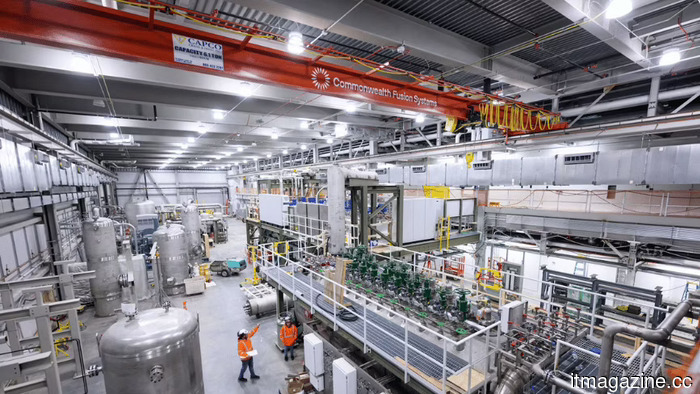 Fusion's most well-financed venture secured an additional $1 billion and recruited the banker responsible for Moderna's initial public offering.
The surge in AI technology requires vast quantities of electricity, which has transformed fusion—long ridiculed as “30 years away”—into one of the most promising opportunities in the tech sector. The leading player in this field has recently secured an additional $1 billion in funding. Commonwealth Fusion Systems, based
Fusion's most well-financed venture secured an additional $1 billion and recruited the banker responsible for Moderna's initial public offering.
The surge in AI technology requires vast quantities of electricity, which has transformed fusion—long ridiculed as “30 years away”—into one of the most promising opportunities in the tech sector. The leading player in this field has recently secured an additional $1 billion in funding. Commonwealth Fusion Systems, based
 The true benefit of AI emerges when entrepreneurs cease to restrict their own capabilities.
Kirk Drake, the founder of CU 2.0, asserts that the primary barrier to AI adoption isn't cost or complexity, but rather the preconceived notions that entrepreneurs have about the technology. Many organizations already possess the knowledge required for AI but have never structured it effectively.
The true benefit of AI emerges when entrepreneurs cease to restrict their own capabilities.
Kirk Drake, the founder of CU 2.0, asserts that the primary barrier to AI adoption isn't cost or complexity, but rather the preconceived notions that entrepreneurs have about the technology. Many organizations already possess the knowledge required for AI but have never structured it effectively.
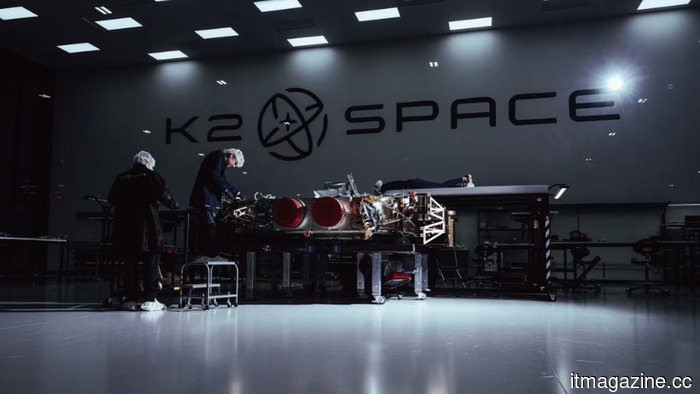 While others are reducing the size of satellites, K2 secured $500 million to develop large satellites and deploy AI in space.
While most satellite startups are focused on developing smaller models, K2 Space is intentionally pursuing a different path by opting for larger designs. The company announced on Thursday that it has secured $500 million in Series D funding, bringing its valuation to $6.8 billion.
While others are reducing the size of satellites, K2 secured $500 million to develop large satellites and deploy AI in space.
While most satellite startups are focused on developing smaller models, K2 Space is intentionally pursuing a different path by opting for larger designs. The company announced on Thursday that it has secured $500 million in Series D funding, bringing its valuation to $6.8 billion.
A $2 sticker undermines the single element that keeps Meta's 'pervert glasses' intact.
Meta's solution to the issue of "pervert glasses" involved a small light that activates when the camera is recording, serving as a warning to those nearby. However, a sticker priced at a few dollars can turn it off. Karissa Bell from Engadget evaluated these workarounds.