
LinkedIn is harnessing collective intelligence to combat low-quality AI content.
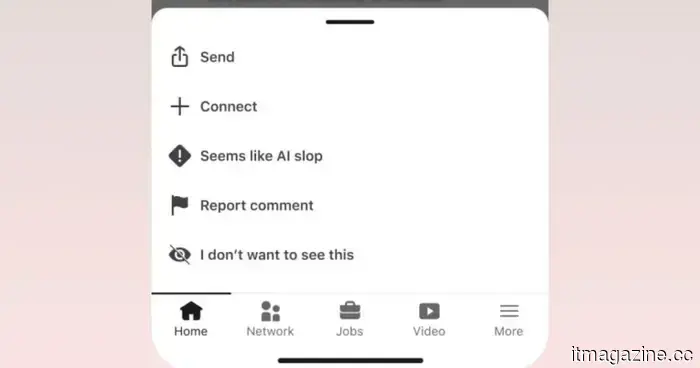
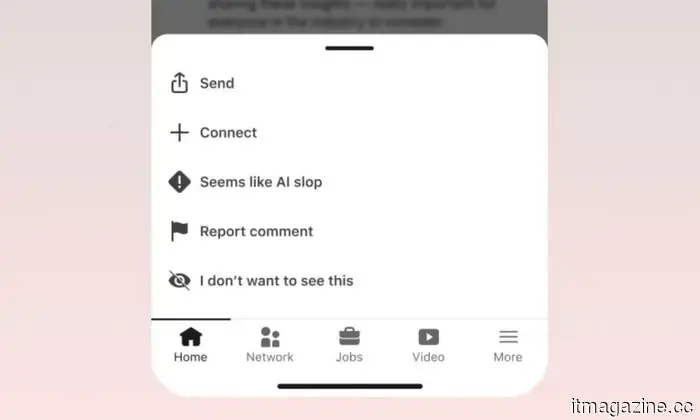
The company is introducing a new button that allows users to flag posts they believe to be AI-generated.
LinkedIn is facing a significant issue with AI-generated content and is now seeking assistance from its users to address it. The platform is launching a button enabling users to flag posts they think may have been created by AI. This feedback will be utilized to enhance the system that determines how widely a post is shared beyond a user's immediate network, based on the extent to which it appears AI-generated.
This announcement follows a Pangram analysis revealing that over forty percent of long-form LinkedIn posts are entirely AI-generated, suggesting that the reach-limiting strategies implemented earlier this year have not sufficed.
A crowdsourced system for detecting low-quality content
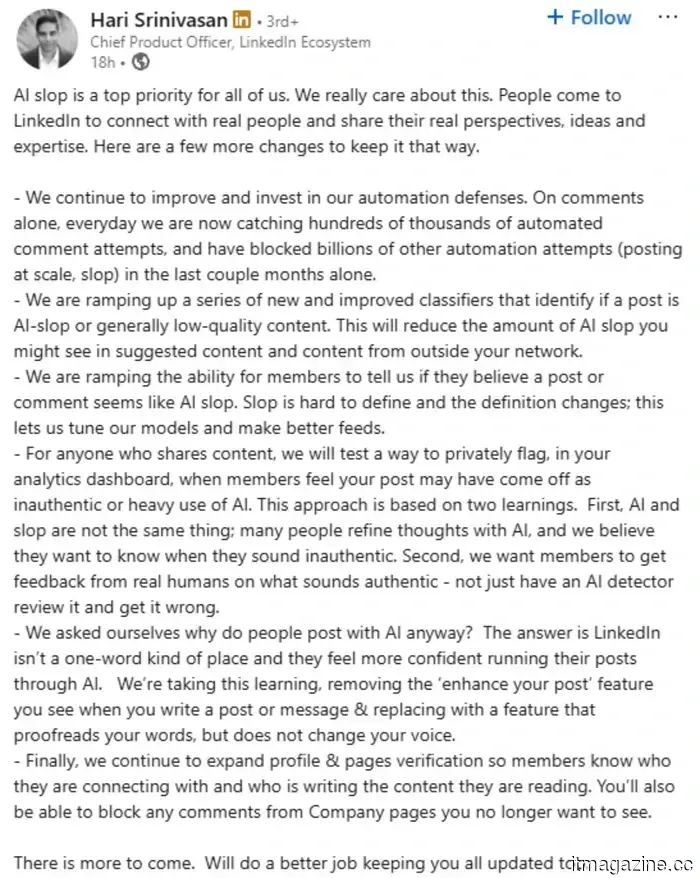
Chief Product Officer Hari Srinivasan described the updates in a recent post on LinkedIn, highlighting that tackling the issue of AI-generated content has become crucial for the company, as users seek genuine insights and expertise, not machine-generated text. He mentioned that LinkedIn currently identifies hundreds of thousands of automated comments daily and has thwarted billions of other automation attempts, including widespread low-quality posting, in recent months.
The new flagging feature is part of a broader effort, along with enhanced classifiers designed to identify AI-generated and low-quality posts before they reach users who are not connected to the original poster. Srinivasan acknowledged that defining low-quality content is challenging and that the criteria may be continuously evolving, which is why LinkedIn aims to bolster its automated detection through user reports.
A resource to guide users rather than punish them
Additionally, LinkedIn is experimenting with a private dashboard feature that alerts users if their posts appear inauthentic or overly reliant on AI. This tool is intended to allow users to modify their approach rather than face immediate penalties. Srinivasan explained that the alerts are based on user input rather than an automated AI system, since many individuals use AI to enhance their thinking without creating low-quality content and deserve proper feedback instead of being erroneously flagged by an automated tool.
Furthermore, the company is discontinuing its “enhance your post” AI writing tool and replacing it with a proofreading feature that corrects grammar while preserving the user's voice. This indicates a subtle recognition that the previously promoted writing assistance feature possibly contributed to the surge of AI-like posts that LinkedIn is now attempting to reduce, even if Srinivasan did not frame it this way.
LinkedIn is not the only platform tackling AI-generated content. Substack recently introduced a tool that flags newsletters written by AI for its readers. It remains to be seen whether these tools will effectively limit the spread of low-quality AI-generated content.




Other articles
 Microsoft has finally introduced a Windows 11 upgrade that everyone can support.
Microsoft CEO Satya Nadella stated that the company is focusing on enhancing the quality and foundational aspects of Windows 11, furthering efforts to improve performance, reliability, and everyday user experience.
Microsoft has finally introduced a Windows 11 upgrade that everyone can support.
Microsoft CEO Satya Nadella stated that the company is focusing on enhancing the quality and foundational aspects of Windows 11, furthering efforts to improve performance, reliability, and everyday user experience.
 LinkedIn is leveraging crowdsourcing in its battle against poor-quality AI content.
LinkedIn is reaching out to its community for assistance in addressing its AI content quality issue by introducing a button that allows users to report AI-generated writing.
LinkedIn is leveraging crowdsourcing in its battle against poor-quality AI content.
LinkedIn is reaching out to its community for assistance in addressing its AI content quality issue by introducing a button that allows users to report AI-generated writing.
 Looking for back-to-school supplies? I suggest considering these GaN chargers to maximize space and boost power capacity.
I examined eight of Amazon's highest-rated GaN chargers, ranging from the least expensive to the most expensive, to identify which ones effectively reduce cable clutter this semester.
Looking for back-to-school supplies? I suggest considering these GaN chargers to maximize space and boost power capacity.
I examined eight of Amazon's highest-rated GaN chargers, ranging from the least expensive to the most expensive, to identify which ones effectively reduce cable clutter this semester.
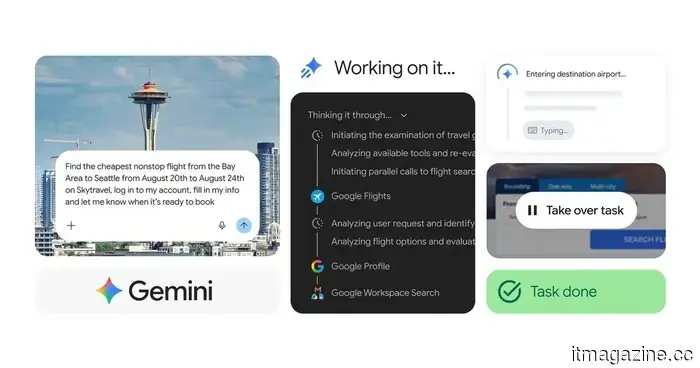 Gemini Spark can now utilize Chrome logins and saved passwords to carry out tasks for you.
Gemini Spark is now able to utilize Chrome's auto browse feature to manage web tasks using your logged-in accounts.
Gemini Spark can now utilize Chrome logins and saved passwords to carry out tasks for you.
Gemini Spark is now able to utilize Chrome's auto browse feature to manage web tasks using your logged-in accounts.
 Are you shopping for back-to-school supplies? I suggest considering these GaN chargers to save space and deliver more power.
I examined eight of Amazon's top-rated GaN chargers, ranging from the least expensive to the most costly, to identify the ones that effectively reduce cable clutter this semester.
Are you shopping for back-to-school supplies? I suggest considering these GaN chargers to save space and deliver more power.
I examined eight of Amazon's top-rated GaN chargers, ranging from the least expensive to the most costly, to identify the ones that effectively reduce cable clutter this semester.
 PlayStation discs will no longer be available starting in 2028, and the backlash from fans isn't convincing Sony to reconsider.
Sony acknowledges the criticism regarding its choice to discontinue physical PlayStation releases in 2028; however, even well-organized fan protests have not influenced its intentions.
PlayStation discs will no longer be available starting in 2028, and the backlash from fans isn't convincing Sony to reconsider.
Sony acknowledges the criticism regarding its choice to discontinue physical PlayStation releases in 2028; however, even well-organized fan protests have not influenced its intentions.
LinkedIn is harnessing collective intelligence to combat low-quality AI content.
LinkedIn is reaching out to its users to address its AI content quality issue by introducing a button that allows individuals to report AI-generated writing.