
Anthropic remains isolated in every AI conflict, yet continues to succeed regardless.
Six months ago, Anthropic was regarded as a leading figure in America's AI surge, excelling in model development while vocal about ethics. This summer, however, it finds itself isolated.
According to Axios, the creator of Claude is now the outlier in nearly every major AI policy debate. It stands as the world's most valuable startup, yet simultaneously remains the most detached lab in the sector. These two realities are linked.
Isolated on open weights
The most evident indicator appeared last week when Anthropic was the sole frontier lab that opted not to sign an open letter advocating for Washington to refrain from imposing restrictions on open-weight models. The letter was spearheaded by Nvidia's Jensen Huang, with both Google and OpenAI—its closest competitors—supporting it. Consequently, Anthropic is left defending stricter regulations on the business model that all three companies still rely on.
Dario Amodei attempted to quell the controversy personally. In a blog post, the CEO of Anthropic maintained that the company has never sought to ban open models and even referred to the lesser variants as “a public good.” However, he still did not sign the letter and reiterated his stance that the more dangerous components, primarily advanced chips reaching authoritarian governments, require tighter regulation.
Isolated on other fronts as well
This trend is consistent across various areas. In February, the Pentagon blacklisted Anthropic after a dispute arose over the potential use of Claude for surveillance or autonomous weaponry. A senior defense official indicated on Friday that "no AI company is more hostile to the warfighter."
In terms of safety, Anthropic has advocated more rigorously than any other company. It has supported state AI legislation and proposed an FAA-like regulator to evaluate models before release. Yet, when the White House identified a security vulnerability this summer, Anthropic challenged the severity of the issue. This disagreement contributed to export controls that took two of its models offline for nearly three weeks.
Additionally, there is the issue of distillation. Anthropic has accused Chinese labs of creating cheaper models using outputs from Claude in "industrial-scale" operations, as reported by the New York Times. Critics argue that distillation is a typical aspect of AI development, highlighting the contentious timing—Anthropic had recently settled a $1.5 billion copyright lawsuit concerning the unauthorized use of books to train its own models.
Nevertheless, Anthropic's isolation is not complete. This week, it joined over 1,100 employees from competing labs in a petition calling on Washington to help "deliberately pace" frontier AI development. Its main concern—that the technology is evolving faster than anyone can safely manage—is now a shared sentiment across the industry.
Despite these tensions, Anthropic is not in decline. Its models continue to excel in most independent benchmarks, and businesses continue to pay premium prices despite complaints regarding costs and regulations. It achieved a valuation of $965 billion in May, surpassing OpenAI, and is on track for an IPO that could further increase its value.
The very qualities that isolate it in every policy debate—caution and an unwillingness to yield—are the same ones that have contributed to its success. Anthropic prefers to be correct rather than popular, and for the time being, it has the resources to maintain this approach.
Other articles
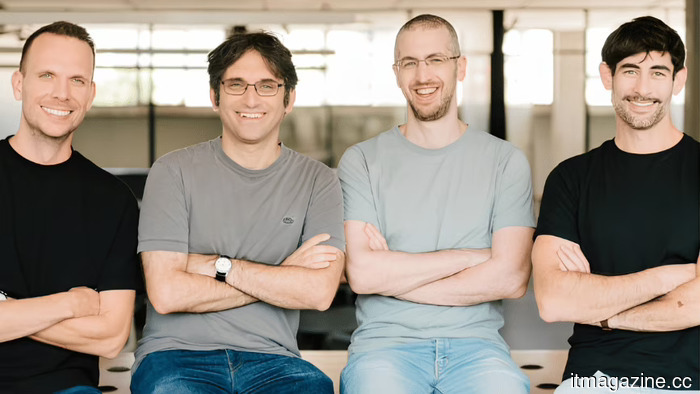 Act Security emerges from stealth mode with $60 million to address the patching issue.
Act Security emerges from stealth with $60 million investment from the founders of Medigate. The strategy is that AI will advance faster than patching, allowing them to eliminate the existing dormant cloud access vulnerabilities.
Act Security emerges from stealth mode with $60 million to address the patching issue.
Act Security emerges from stealth with $60 million investment from the founders of Medigate. The strategy is that AI will advance faster than patching, allowing them to eliminate the existing dormant cloud access vulnerabilities.
 Apple reaches a $5 trillion valuation by avoiding the competition in AI spending.
Apple briefly reached a $5 trillion valuation, becoming only the second company to achieve this milestone, as investors moved away from the AI capital expenditure frenzy towards the one major player that remained on the sidelines.
Apple reaches a $5 trillion valuation by avoiding the competition in AI spending.
Apple briefly reached a $5 trillion valuation, becoming only the second company to achieve this milestone, as investors moved away from the AI capital expenditure frenzy towards the one major player that remained on the sidelines.
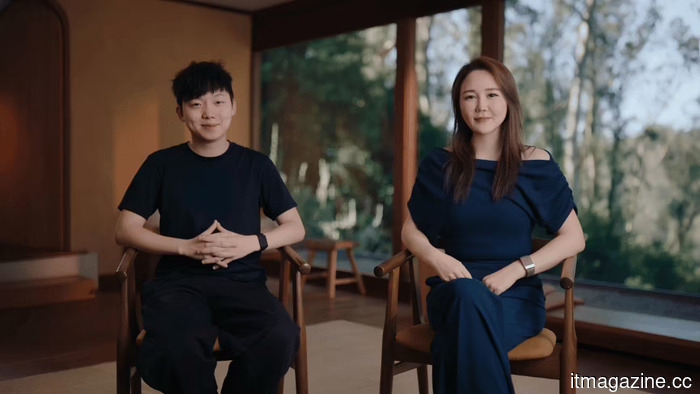 Fish Audio secures $52 million to offer voice AI for free and monetize enterprises.
Fish Audio secured $52 million for its voice AI, which it provides at no charge while charging businesses for enhanced speed and uptime. Its library of 2 million voices serves as both a competitive advantage and a potential risk.
Fish Audio secures $52 million to offer voice AI for free and monetize enterprises.
Fish Audio secured $52 million for its voice AI, which it provides at no charge while charging businesses for enhanced speed and uptime. Its library of 2 million voices serves as both a competitive advantage and a potential risk.
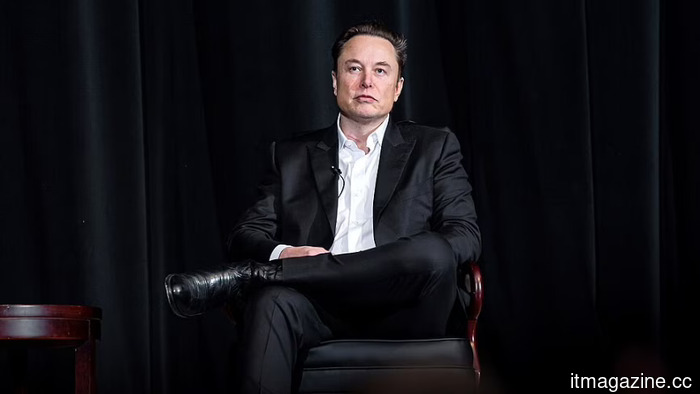 xAI files a lawsuit against Minnesota regarding the first 'nudify' prohibition in the United States.
xAI is filing a lawsuit to challenge Minnesota's unique 'nudify' prohibition, contending that the First Amendment safeguards the tools involved. This occurs in the context of a Grok CSAM class action.
xAI files a lawsuit against Minnesota regarding the first 'nudify' prohibition in the United States.
xAI is filing a lawsuit to challenge Minnesota's unique 'nudify' prohibition, contending that the First Amendment safeguards the tools involved. This occurs in the context of a Grok CSAM class action.
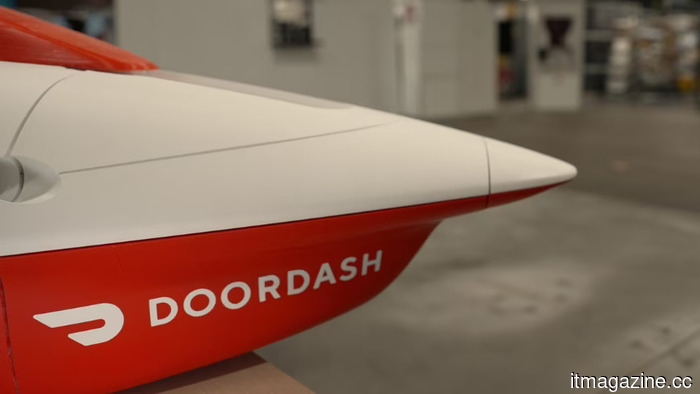 DoorDash receives FAA approval for its internal drone initiative, DoorDash Air.
DoorDash holds FAA Part 135 certification for its internal drone program, DoorDash Air, although it acknowledges that the majority of deliveries will still be managed by humans.
DoorDash receives FAA approval for its internal drone initiative, DoorDash Air.
DoorDash holds FAA Part 135 certification for its internal drone program, DoorDash Air, although it acknowledges that the majority of deliveries will still be managed by humans.
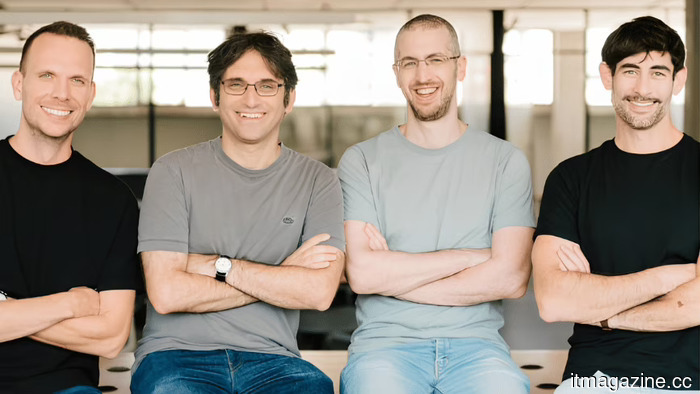 Act Security emerges from stealth mode with $60 million aimed at resolving the patch issue.
Act Security steps out of stealth mode with $60 million from the founders of Medigate. The wager: AI advances faster than patching, allowing for the elimination of dormant cloud access vulnerabilities.
Act Security emerges from stealth mode with $60 million aimed at resolving the patch issue.
Act Security steps out of stealth mode with $60 million from the founders of Medigate. The wager: AI advances faster than patching, allowing for the elimination of dormant cloud access vulnerabilities.
Anthropic remains isolated in every AI conflict, yet continues to succeed regardless.
Anthropic stands out as the anomaly in almost every debate surrounding AI policy, whether it's about open weights or matters involving the Pentagon. Furthermore, it remains the most valuable startup globally.