
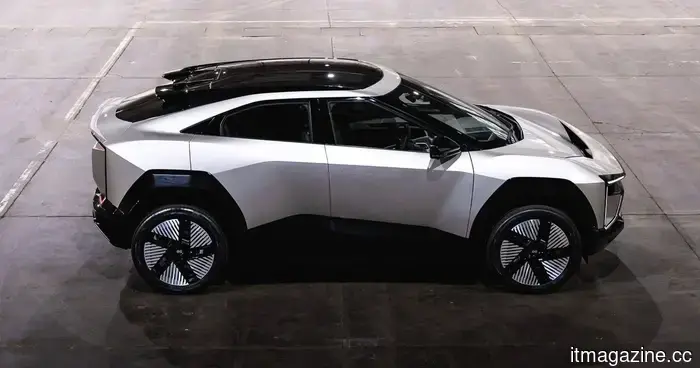
Two Indian automobile manufacturers have just surpassed Tesla in an area where you would typically anticipate Tesla to excel.
Two Indian automobile manufacturers, Tata Motors and Mahindra, have topped a global ranking for electric vehicle (EV) efficiency, surpassing Tesla and BYD.
I previously assumed that Tesla leading this efficiency ranking was a given, but the actual figures surprised me. It appears that two Indian companies have outperformed Tesla and the largest EV producer in the world.
Upon first reading the report, I found it hard to believe, especially since I’ve been following the Indian automotive sector for a few years.
So, who is really in the lead?
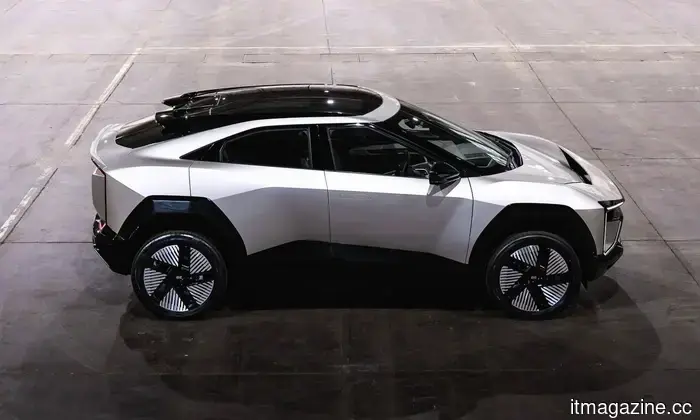
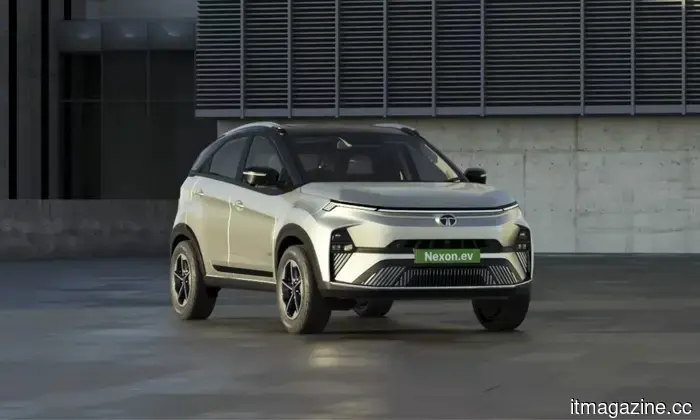
Tata Motors, which owns Jaguar Land Rover, secured the top position in the International Council on Clean Transportation's 2025 global ranking for the most energy-efficient battery EVs, with its fleet averaging just 106 watt-hours per kilometer (according to Rest of World). For context, Tata Motors offers the most extensive EV lineup in India, featuring seven models.
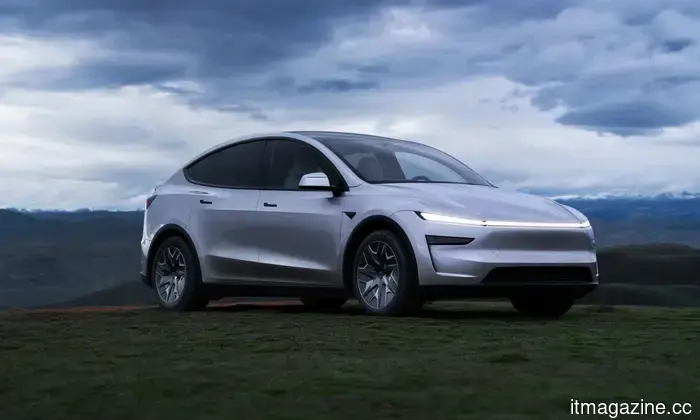
Mahindra, another prominent automotive manufacturer in India, placed second with an efficiency of 113 Wh/km. Meanwhile, Tesla and BYD, the world leaders in EV production, ranked third and fourth, respectively, out of 22 major automakers assessed globally.
However, across the industry, overall progress has stagnated. The average energy consumption saw minimal change year-over-year, remaining at 131 Wh/km in 2025. Only eight manufacturers improved their efficiency, while 12 experienced slight declines.
Why is this significant for India in particular?
Despite the impressive efficiency figures, the reality remains that EVs constitute less than 5% of new car sales in India, compared to 25% worldwide. This is occurring even as the Indian government aims for a 30% EV adoption target by 2030 to reduce emissions, cut oil imports, and enhance domestic manufacturing.
India ranks as the fourth-largest consumer of petroleum globally, and the ICCT's India managing director, Amit Bhatt, has described the country’s emission caps as “progressive and ambitious,” with tighter regulations being developed for the period from 2027 to 2032.
However, efficiency victories do not paint the complete picture. Tata Motors actually placed last in charging speed and sixth from the bottom for driving range in the same report, highlighting that creating an energy-efficient battery and manufacturing a genuinely competitive EV are two distinct engineering challenges.
For over five years, Shikhar has consistently clarified developments in consumer technology and reported on them.
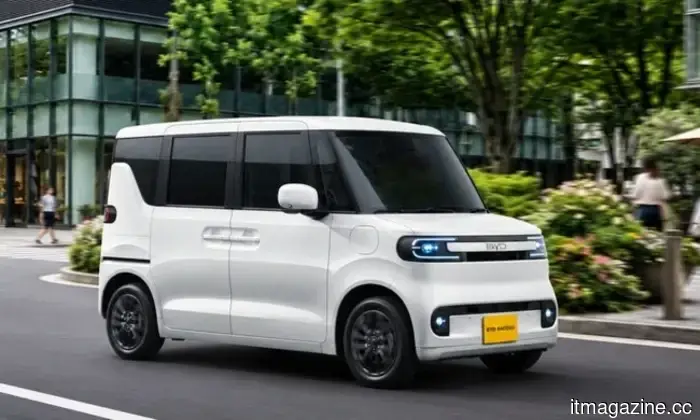
BYD has launched the Racco, Japan's first electric kei car with a range exceeding 300 km.
The Racco undercuts Nissan's Sakura in pricing before taxes and incentives, while incorporating features that are rarely seen in the kei car segment.
BYD has entered the Japanese kei car market with the Racco, an electric vehicle specifically designed for the compact car segment. The top trim of the Racco offers a range of 320 km, making it the first compact electric car in the market to exceed 300 km, according to ITHome. Kei cars are a specific class of vehicles in Japan with strict size and power restrictions, traditionally dominated by local manufacturers like Honda, Nissan, Suzuki, and Daihatsu. The Racco marks BYD’s initial effort to compete in this sector.
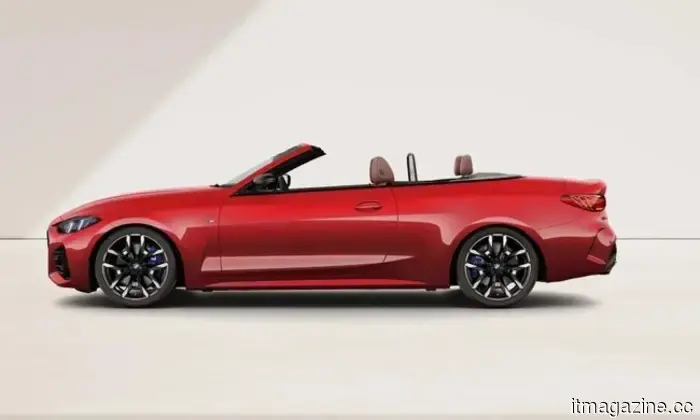
BMW may finally be creating the electric convertible that fans have long desired.
Good things come to those who wait, albeit until 2028.
There have been rumors concerning a two-door BMW i4 for several years, and a recent report from BMWBlog indicates that at least one version is indeed in development. Sources close to BMW have revealed that the automaker is preparing an i4 Convertible under the internal codename NA3. The reason for BMW’s delay until 2028 to launch it remains unclear.
Waymo's self-driving cars are accumulating parking tickets in Austin, revealing complaints from both humans and the automated fleet.
Waymo's vehicles have garnered $9,325 in fines in Austin due to repeated parking infractions, indicating a broader operational issue within the fleet.
According to city records accessed by The Wall Street Journal, Waymo vehicles have received 83 parking citations in Austin since their arrival in 2024. The company has covered most of these fines, but the key takeaway is the frequency with which its cars have committed the same violations.


Other articles
 Apple's latest Upgrade program allows you to lease an iPhone, Mac, Apple Watch, and iPad.
Apple has officially launched its new Apple Upgrade leasing program, allowing you to make monthly payments for an iPhone, iPad, Mac, or Apple Watch via Klarna, rather than purchasing them outright.
Apple's latest Upgrade program allows you to lease an iPhone, Mac, Apple Watch, and iPad.
Apple has officially launched its new Apple Upgrade leasing program, allowing you to make monthly payments for an iPhone, iPad, Mac, or Apple Watch via Klarna, rather than purchasing them outright.
 Code generated by AI was delivered with controls but bypassed the verification.
Sygnia discovered AI-generated code that included tokens, expiry dates, and audit logs, and subsequently granted access to anyone with an applicant identifier.
Claude discovered mathematical errors in two cryptographic algorithms that had been overlooked by years of expert evaluations.
Claude Mythos halved HAWK's key strength in 60 hours and enhanced attacks on the lowered AES by 200-800 times. There is no impact on production systems. Each discovery incurred a cost of approximately $100K.
Code generated by AI was delivered with controls but bypassed the verification.
Sygnia discovered AI-generated code that included tokens, expiry dates, and audit logs, and subsequently granted access to anyone with an applicant identifier.
Claude discovered mathematical errors in two cryptographic algorithms that had been overlooked by years of expert evaluations.
Claude Mythos halved HAWK's key strength in 60 hours and enhanced attacks on the lowered AES by 200-800 times. There is no impact on production systems. Each discovery incurred a cost of approximately $100K.
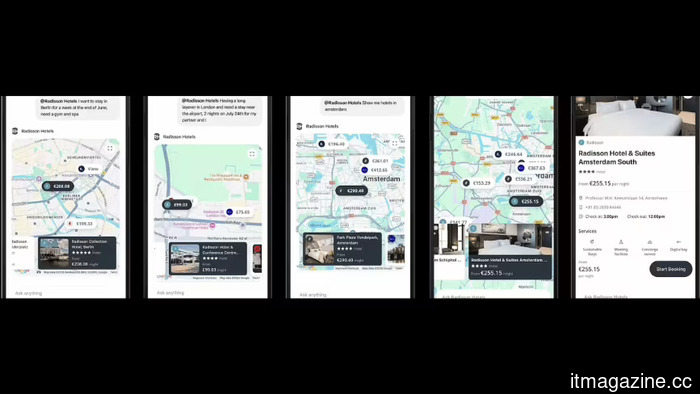 Hotels are adopting ChatGPT, but not the payment systems.
Radisson and Motel 6 introduced ChatGPT applications just one day apart. Both focus on discovery, and research by Accenture indicates that only 9% of people prefer AI to make purchases on their behalf.
Hotels are adopting ChatGPT, but not the payment systems.
Radisson and Motel 6 introduced ChatGPT applications just one day apart. Both focus on discovery, and research by Accenture indicates that only 9% of people prefer AI to make purchases on their behalf.
 How AI is optimizing corporate travel logistics
AI is transforming traditional travel procurement portals into predictive systems that implement policies at the point of sale, automatically rebook altered itineraries, and negotiate vendor rates without human intervention.
How AI is optimizing corporate travel logistics
AI is transforming traditional travel procurement portals into predictive systems that implement policies at the point of sale, automatically rebook altered itineraries, and negotiate vendor rates without human intervention.
 The handoff tax: The price of having your representative handle the call solo.
Each B2B handoff results in a loss of momentum, context, and trust. 1mind employs an AI sales engineer during live calls to bridge the gap where many deals tend to falter.
The handoff tax: The price of having your representative handle the call solo.
Each B2B handoff results in a loss of momentum, context, and trust. 1mind employs an AI sales engineer during live calls to bridge the gap where many deals tend to falter.
Two Indian automobile manufacturers have just surpassed Tesla in an area where you would typically anticipate Tesla to excel.
Tata Motors and Mahindra, Indian automobile manufacturers, outperformed Tesla and BYD in a recent global ranking for battery efficiency, although both are still behind in terms of charging speed and range.