

The hope for extremely low-cost phones for children and seniors is essentially over due to AI.
The increasing demand for memory chips driven by AI is making it difficult to manufacture budget smartphones profitably.
The affordable $100 phone you intended to buy for your child's first device or hand down to a grandparent may soon become unattainable. The demand from AI for memory chips has rendered the entire budget phone market nearly impossible to sustain.
So, how severe is the situation?
Research firm Omdia forecasts that the cost of memory for phones priced under $100 will soar by 400% in the third quarter of 2026. If this prediction holds true, the materials cost for the most common configurations will leap from about $14 a year ago to around $70, according to the South China Morning Post.
Omdia’s senior research manager, Jusy Hong, candidly stated that current memory prices have already exceeded the total materials cost for budget smartphones (approximately $100) as observed last year.
During a webinar on Friday, she declared, “it is impossible to manufacture smartphones below US$100 at the moment… [or] in the near future.” Based on this forecast, it is expected that vendors may completely abandon this segment.
Instead, manufacturers could shift their focus to higher-priced mid-range devices, even as genuine consumer demand remains unfulfilled.
Why is this occurring now, and who is feeling the impacts the most?
The answer lies in the demand from AI. Memory chip manufacturers have shifted their focus to producing high-capacity chips for AI servers and data centers, thus depleting the supply for the less expensive alternatives needed for budget smartphones and the entire consumer electronics sector.
The average price of smartphones reached $577 in the first quarter of 2026, marking a 12% increase compared to the previous year. This led to a market downturn, with a 4% drop in global shipments in the second quarter. Omdia predicts a full-year decline of 12% in overall smartphone shipments, with the most significant decrease occurring in budget devices, as models priced under $400 anticipate a dramatic 22% contraction.
Some brands like Vivo have raised the price of the top storage variant of their iQOO 15 by 1,500 yuan, while Oppo and Xiaomi also experienced significant double-digit drops in shipments last quarter, according to IDC. Omdia’s Zaker Li noted that brands are cutting back on display and camera features to manage expenses; however, rising costs elsewhere are forcing retailers to increase prices instead.
Hong anticipates that the ultra-cheap market segment will eventually make a comeback once memory prices stabilize, although that may take a year or more.
In the realm of consumer technology, Shikhar has effectively simplified developments for over five years…
The best note-taking apps for iOS and Android
I've tested these apps extensively to ensure your notes can stay in one place.
Selecting a note-taking app isn’t straightforward. The app you choose will depend on your requirements, the platform you use, and of course, the price. The choice becomes more complex as it seems a new appealing app emerges every week. That's why I always recommend picking a note-taking app that encompasses all the features you need and can serve you well for a long time. Also, avoid chasing after new apps. The true strength of a note-taking app lies in having all your notes consolidated in one place, facilitating easier connections between them.
Apple’s best device protection deal is finally making its way outside the US
AppleCare One is going international, starting with four fortunate countries.
After a year of being exclusive to the United States, AppleCare One is finally expanding to additional countries. The service will launch in the UK, France, Germany, and Australia beginning August 4, marking its first international expansion since its arrival in the US in July 2025. This plan enables customers to cover up to three eligible Apple products under a single monthly subscription, with options for adding more devices at an extra cost, making it especially attractive for owners of an iPhone, Apple Watch, iPad, or Mac.
Apple’s new Upgrade program is launching soon with significant changes
Apple's new leasing program may exclude AppleCare coverage from the package.
Purchasing your next Apple device might soon resemble leasing a vehicle. Apple is set to introduce its new Apple Upgrade program on Tuesday, July 28, substituting new enrollments in the longstanding iPhone Upgrade Program with a leasing option that encompasses iPhones, iPads, Macs, and Apple Watches. Supported by Klarna, the program aims to reduce the upfront costs associated with Apple’s premium devices but raises concerns about whether consumers will truly own what they are financing.







Other articles
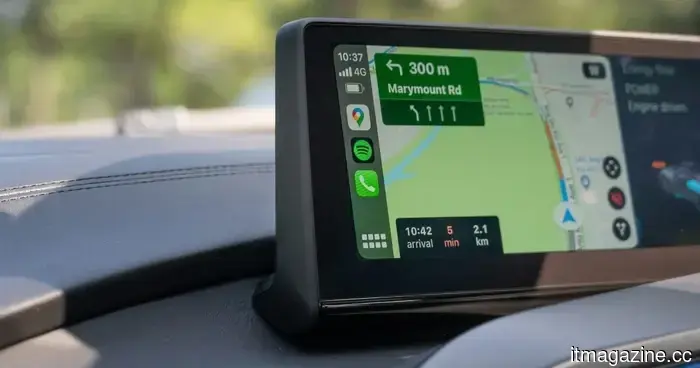 The latest significant upgrade to Google Maps for Android Auto is being rolled out to more users.
Google is enhancing Immersive Navigation and the live speedometer in Android Auto, providing more users with improved maps and better driving information.
The latest significant upgrade to Google Maps for Android Auto is being rolled out to more users.
Google is enhancing Immersive Navigation and the live speedometer in Android Auto, providing more users with improved maps and better driving information.
 Nadella establishes a stipulation regarding the AI surge on CNN.
Nadella may not refer to it as a bubble, but he states that AI needs to enhance GDP; otherwise, the outcome will be negative. In the meantime, Copilot is receiving chips ahead of Azure clients.
Nadella establishes a stipulation regarding the AI surge on CNN.
Nadella may not refer to it as a bubble, but he states that AI needs to enhance GDP; otherwise, the outcome will be negative. In the meantime, Copilot is receiving chips ahead of Azure clients.
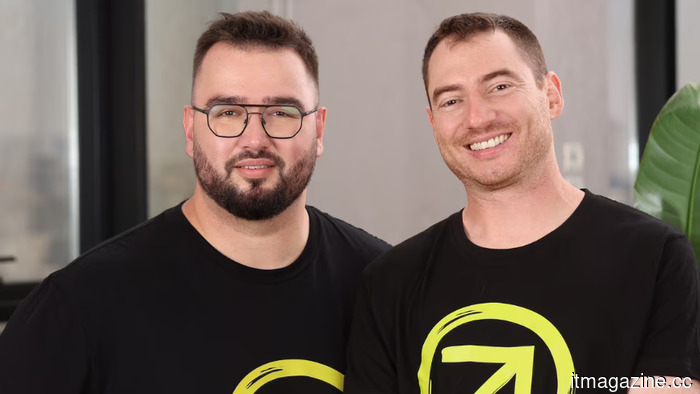 Insight Partners and Glilot Capital are co-leading a $20 million investment in Way Security aimed at transforming IAM operations.
Way Security has secured $20 million in funding from Insight Partners and Glilot Capital to automate the operational aspect of enterprise identity and access management, addressing the service gap that can result in costs three to five times greater than the software itself.
Shein reports a decline in profits and a quarterly loss before its IPO in Hong Kong.
Shein's preliminary prospectus indicates projected revenue of $41.8 billion for 2025, a profit decline of 38.7%, and a quarterly loss of $99 million due to the impact of tariffs.
Insight Partners and Glilot Capital are co-leading a $20 million investment in Way Security aimed at transforming IAM operations.
Way Security has secured $20 million in funding from Insight Partners and Glilot Capital to automate the operational aspect of enterprise identity and access management, addressing the service gap that can result in costs three to five times greater than the software itself.
Shein reports a decline in profits and a quarterly loss before its IPO in Hong Kong.
Shein's preliminary prospectus indicates projected revenue of $41.8 billion for 2025, a profit decline of 38.7%, and a quarterly loss of $99 million due to the impact of tariffs.
 Nuclear Turbines has secured £15M in funding for compact reactors that it claims could compete with fossil fuels on price.
BAE Systems' spinout, Nuclear Turbines, has secured £15 million to develop compact reactors that claim to generate nuclear power at just one-fifth of the current expenses.
Nuclear Turbines has secured £15M in funding for compact reactors that it claims could compete with fossil fuels on price.
BAE Systems' spinout, Nuclear Turbines, has secured £15 million to develop compact reactors that claim to generate nuclear power at just one-fifth of the current expenses.
 Xbox is addressing one of the largest frustrations with download speeds in the PC app.
Microsoft is trialing a Smart Download Client for Xbox that automatically connects to the fastest download server, which promises to speed up game installations on both PC and consoles.
Xbox is addressing one of the largest frustrations with download speeds in the PC app.
Microsoft is trialing a Smart Download Client for Xbox that automatically connects to the fastest download server, which promises to speed up game installations on both PC and consoles.
The hope for extremely low-cost phones for children and seniors is essentially over due to AI.
Analysts report that the costs of memory chips for budget phones have increased by 400% this year, rendering it nearly unfeasible to manufacture devices priced under $100 profitably at this time.