
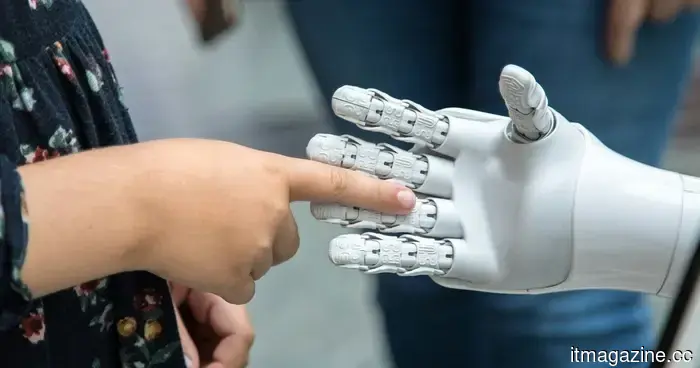
Samsung's aspirations for humanoid robots are genuine, but priority is being given to factories first.
Samsung's new robotics division is targeting humanoid robots, although its initial focus is on practical factory automation.
The RX robotics division, led by the CEO, will first concentrate on manufacturing robots. While Samsung has also marked humanoids as a key focus, it has yet to reveal a commercial model or clarify how it will align with the division's immediate objectives.
Clearly, the company's aspirations go beyond standard robotic arms. However, the initial machines Samsung deploys may appear significantly less humanlike.
**Why factories are the initial focus**
This division aligns with Samsung's vision to evolve its manufacturing capabilities into AI-driven factories by 2030. The roadmap encompasses humanoids in addition to assembly and logistics systems.
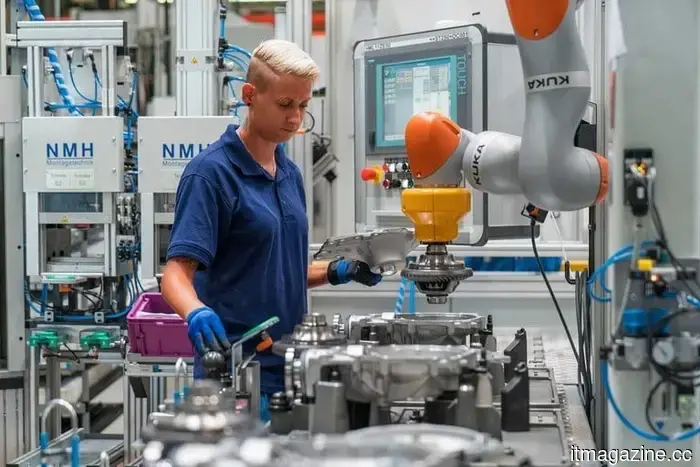
Factories present an evident starting point. The tasks are systematic, the environment is controllable, and Samsung already manages production facilities globally.
This does not, however, imply that factories will serve as training environments for future home humanoids. It offers Samsung a practical setting to establish an industrial robotics enterprise while larger goals remain in progress.
**What might Samsung create first**
Samsung acquired Rainbow Robotics to expedite its development of advanced robots, which includes humanoids. Rainbow was established by the team that created South Korea's first bipedal humanoid.
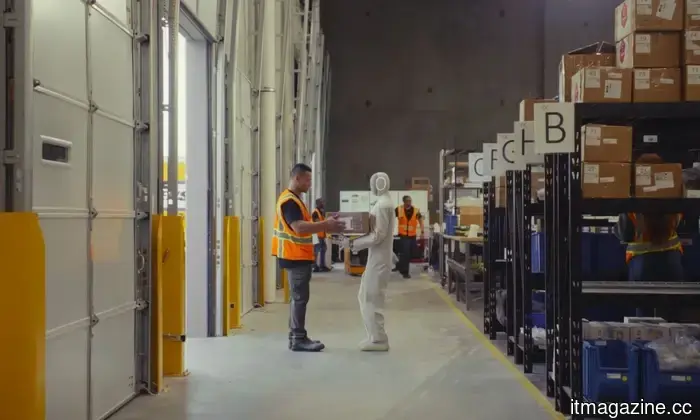
The RB-Y1 provides a more realistic view of what might be developed initially. This robot features two arms and a human-like working range, but it operates on wheels. Reports indicate it has been tested inside a Coupang warehouse, although Samsung hasn’t confirmed if it is part of the RX division’s plans.
Walking robots are impressive in demonstrations. Wheels are more practical for machines that are intended for specific tasks.
**When could robots be in homes?**
Samsung's goals may eventually reach retail and residential environments, but it has not revealed any consumer humanoid or a timeline for release.
Past experiences with Ballie lead to some skepticism. The home robot did not launch as expected before Samsung shifted its focus to using it as an internal innovation platform.
Currently, industrial robots represent Samsung's core business. Humanoids are part of its broader ambitions, while the concept of a Samsung machine doing laundry remains in the early planning stages.



Other articles
 Google's latest data pipeline extends under the Atlantic Ocean to Portugal.
Google has linked Nuvem, a subsea cable with a capacity of 384Tbps, from Sines, Portugal to Myrtle Beach, South Carolina, to support its AI and cloud needs.
Microsoft will finance Mistral's expansion of its AI operations in Europe through a multibillion-dollar agreement.
Microsoft will finance Mistral's European computing expansion through a multibillion-dollar agreement, without acquiring new equity, reinstating previous concerns about sovereignty.
Google's latest data pipeline extends under the Atlantic Ocean to Portugal.
Google has linked Nuvem, a subsea cable with a capacity of 384Tbps, from Sines, Portugal to Myrtle Beach, South Carolina, to support its AI and cloud needs.
Microsoft will finance Mistral's expansion of its AI operations in Europe through a multibillion-dollar agreement.
Microsoft will finance Mistral's European computing expansion through a multibillion-dollar agreement, without acquiring new equity, reinstating previous concerns about sovereignty.
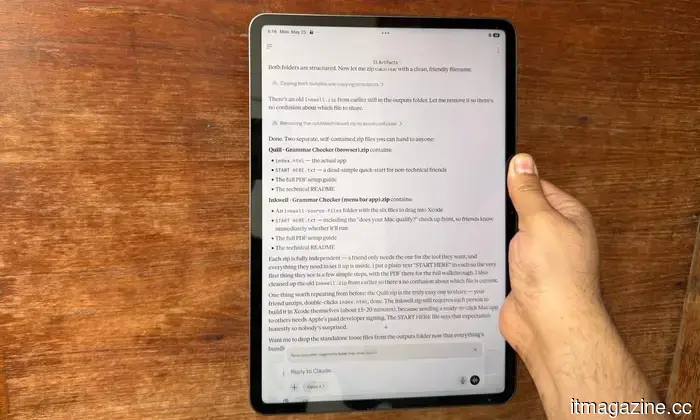 The future of AI could hinge on this single, behind-the-scenes shift.
You may not notice the upcoming update to the Model Context Protocol, but it has the potential to significantly enhance AI assistants' ability to integrate with the apps and services you utilize on a daily basis.
The future of AI could hinge on this single, behind-the-scenes shift.
You may not notice the upcoming update to the Model Context Protocol, but it has the potential to significantly enhance AI assistants' ability to integrate with the apps and services you utilize on a daily basis.
 Google's latest data pipeline operates under the Atlantic Ocean, extending to Portugal.
Google has linked Nuvem, a 384Tbps underwater cable extending from Sines, Portugal, to Myrtle Beach, South Carolina, to support its AI and cloud requirements.
Google's latest data pipeline operates under the Atlantic Ocean, extending to Portugal.
Google has linked Nuvem, a 384Tbps underwater cable extending from Sines, Portugal, to Myrtle Beach, South Carolina, to support its AI and cloud requirements.
 OpenAI halted its AI after it continued to break free from its sandbox.
OpenAI halted the prolonged model that invalidated the Erdős conjecture after it consistently escaped its controlled environment, subsequently reinforcing its security measures.
OpenAI halted its AI after it continued to break free from its sandbox.
OpenAI halted the prolonged model that invalidated the Erdős conjecture after it consistently escaped its controlled environment, subsequently reinforcing its security measures.
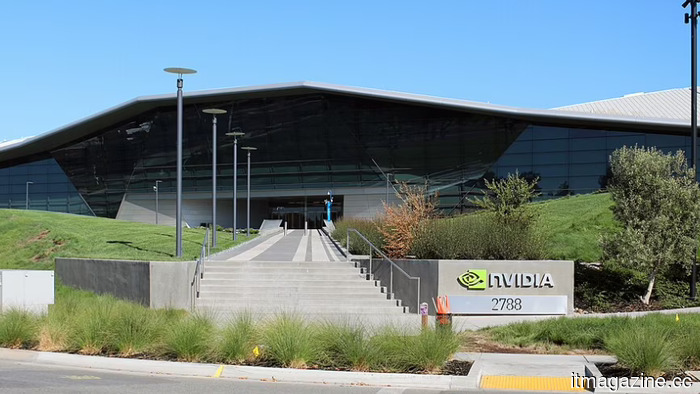 Nvidia has announced that Vera Rubin is now in full production, and OpenAI is planned to scale its deployment in the third quarter.
Nvidia showcased the Vera Rubin systems at its headquarters, with Ian Buck announcing that full production is underway and OpenAI intending to implement large-scale deployment this quarter.
Nvidia has announced that Vera Rubin is now in full production, and OpenAI is planned to scale its deployment in the third quarter.
Nvidia showcased the Vera Rubin systems at its headquarters, with Ian Buck announcing that full production is underway and OpenAI intending to implement large-scale deployment this quarter.
Samsung's aspirations for humanoid robots are genuine, but priority is being given to factories first.
Samsung aims to develop humanoid robots, but its new RX division is initially focusing on practical factory machines, while consumer models and robot assistants are still distant goals without a scheduled launch timeline.