
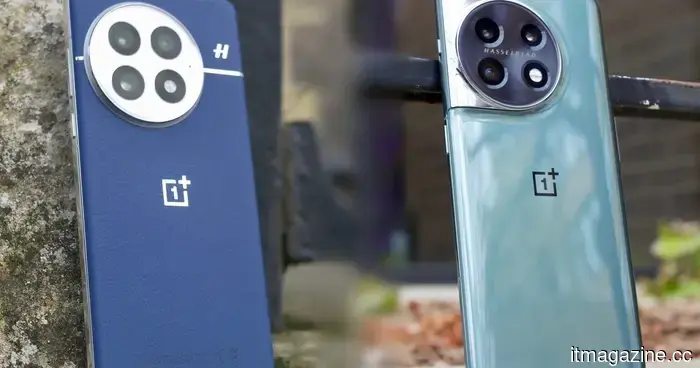
OnePlus has disappeared, making Android phones in the US a bit duller.
I didn’t anticipate that the departure of a smartphone brand would affect me this much, but OnePlus exiting the US and European markets genuinely has. The company has confirmed it will no longer introduce new products in these regions, although current customers will still receive software updates and after-sales support. So, while OnePlus isn’t completely vanishing, it is stepping away from two of the largest smartphone markets worldwide.
Honestly, the Android market in the US already seems restricted. If you’re in the market for a flagship device, your realistic options generally start with Samsung and end with Google. OnePlus was one of the very few brands that occupied the space in between, providing something that didn’t resemble everything else. That’s precisely what I’m going to miss.
Reflecting on it, I can’t recall ever anticipating a OnePlus launch because of improved performance or more camera features — though those upgrades did come. I was truly excited to see what the company would reveal in terms of design, materials, or finishing touches. OnePlus made smartphone launches feel unpredictable, a feat that very few brands accomplish these days.
The brand that made phones unique
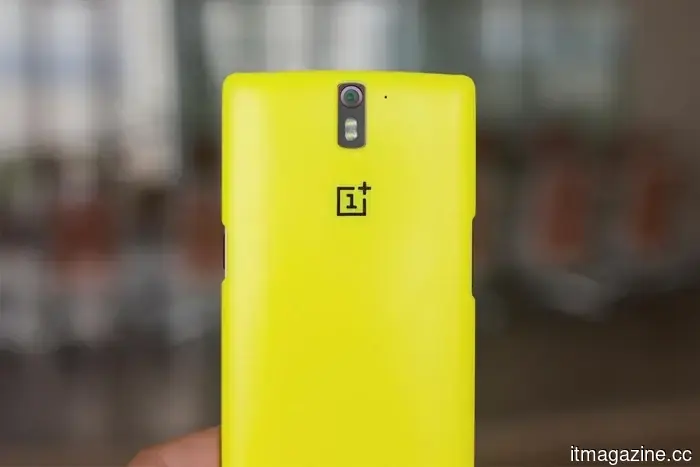
Whenever I think about the original OnePlus One, I can’t remember its processor or RAM specifications. What stands out to me is the Sandstone back. It was textured, grippy, and unlike anything else I had ever touched. During a period when nearly every phone was either glossy or slippery, the OnePlus One made you notice its texture the instant you picked it up.
Then came the StyleSwap covers. Suddenly, your phone could feature bamboo instead of plastic or glass. It may seem common today, but back then it genuinely felt innovative. Rather than asking you to encase your phone, OnePlus aimed for the phone itself to provide a distinctive feel. That was what characterized early OnePlus phones — they were memorable for their individuality. The company maintained that curiosity until the launch of the OnePlus 15.
Every few years, it reinvented itself
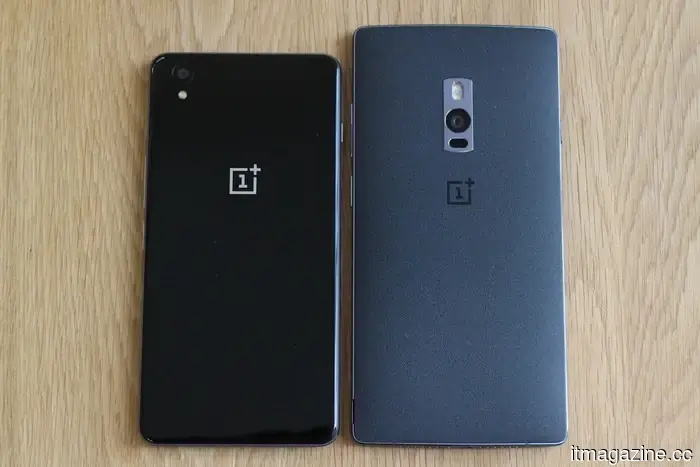
The OnePlus 2 further embraced the customization theme with options like bamboo, rosewood, Kevlar, and Sandstone back covers. Then, just as it seemed the textured finishes were becoming its hallmark, the company shifted gears entirely. The OnePlus X was completely different — it replaced rugged textures with glossy glass, polished metal, and even a ceramic variant that took weeks to produce. It appeared elegant, upscale, and unlike any previous OnePlus model.
A few years later, the company adopted aluminum unibody designs before reverting to glass with the OnePlus 6. On paper, they were merely various glass phones. However, in reality, Mirror Black, Midnight Black, Silk White, and that stunning red edition felt like entirely different devices. That was always the exciting part; just when you thought OnePlus had settled on a design style, it would surprise you once more.
Remembering phones with personality
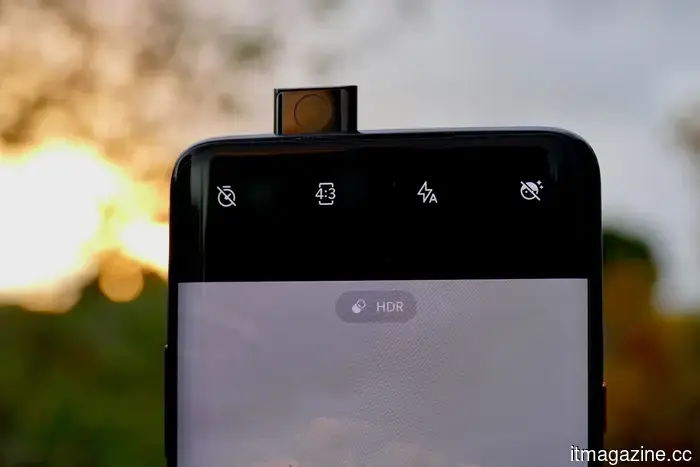
If there’s one phone that encapsulates my appreciation for OnePlus’ design philosophy, it’s the OnePlus 7T Pro. Even today, I consider it one of the most visually striking smartphones ever created. Its pop-up selfie camera eliminated the notch or punch-hole that typically interrupts the display. The screen extended from edge to edge, and whenever you wanted a selfie, the camera would emerge from the frame before disappearing moments later.
It felt truly magical. Combined with the deep blue finish on the back, the phone appeared futuristic without trying too hard. Years later, I still recall the satisfaction of unlocking it and watching that flawless display illuminate. OnePlus carried that same innovative spirit into the Concept One, which featured McLaren-inspired leather and electrochromic glass capable of concealing the rear cameras when not in use. Did anyone truly need invisible cameras? Probably not. But that’s what made OnePlus thrilling. It wasn’t afraid to explore questions that others weren’t addressing.
Risky? Absolutely. Boring? Never.
Not every OnePlus design became an instant classic. Some designs sparked debate, and a few were perceived as borrowing too much from competitors. Yet, even then, the company rarely settled for anonymity.
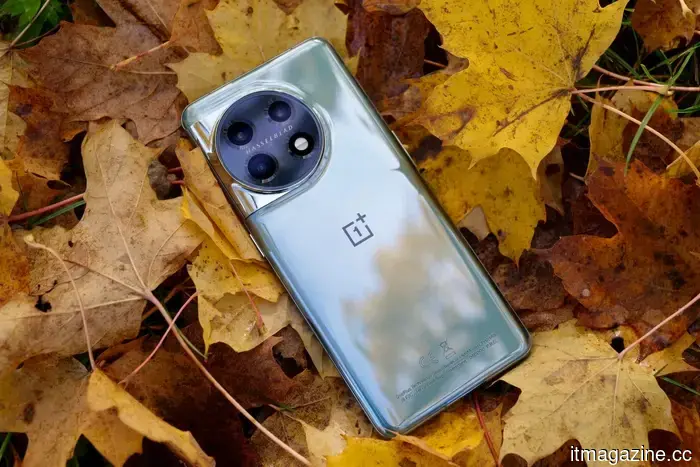
The substantial circular camera module on the OnePlus 11 immediately grabbed attention. The OnePlus 12’s Flowy Emerald finish resembled water trapped beneath glass. The OnePlus Open provided options of sleek matte glass and understated vegan leather. Even the OnePlus 13 debuted with finishes inspired by silk and natural wood textures, while the Nord 4 reintroduced metal at a time when nearly everyone else discarded it. Whether you loved or loathed these designs, they consistently sparked conversations.
Samsung and Google play it much safer
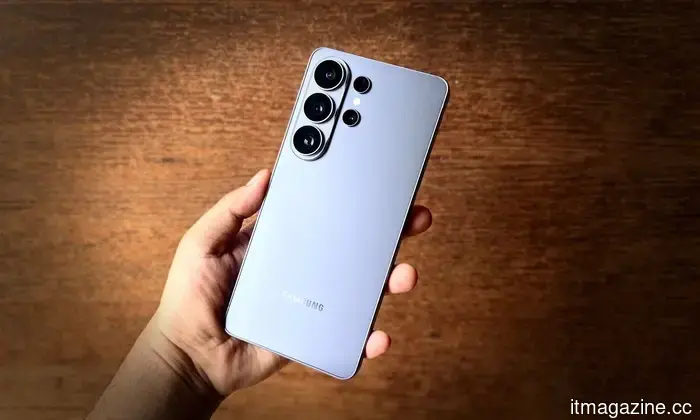
That’s also why the loss of OnePlus feels more significant than just losing another smartphone brand. Take a look at Samsung today — its Galaxy phones are incredibly refined, and I genuinely believe they rank among the best Android devices available. However, they have also become very predictable. Each new generation appears to be a careful enhancement of its predecessor.
Other articles
 If you really enjoy pinball, this app will help you locate a table no matter where you are.
Pinball Map is a free app driven by community contributions that assists players in finding pinball machines located in arcades, bars, restaurants, and various other locations around the globe.
If you really enjoy pinball, this app will help you locate a table no matter where you are.
Pinball Map is a free app driven by community contributions that assists players in finding pinball machines located in arcades, bars, restaurants, and various other locations around the globe.
 Prysmian enters into a €5.5 billion agreement with Molex to provide fiber optics for AI data centers.
Prysmian has entered into a 10-year agreement valued at €5.5 billion with Molex, which is owned by Koch, to provide optical cable for use in AI data centres, including an initial payment of €550 million.
Prysmian enters into a €5.5 billion agreement with Molex to provide fiber optics for AI data centers.
Prysmian has entered into a 10-year agreement valued at €5.5 billion with Molex, which is owned by Koch, to provide optical cable for use in AI data centres, including an initial payment of €550 million.
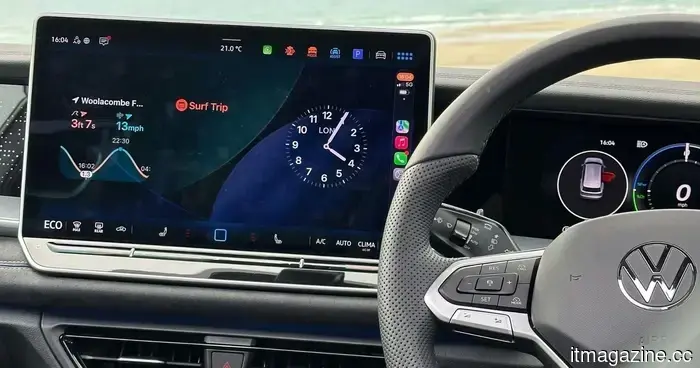 The software update for your next car might turn out to be its greatest security vulnerability.
Experts indicate that over-the-air updates for vehicles are revolutionizing the automotive industry but are also introducing new cybersecurity and national security concerns that governments can no longer overlook.
The software update for your next car might turn out to be its greatest security vulnerability.
Experts indicate that over-the-air updates for vehicles are revolutionizing the automotive industry but are also introducing new cybersecurity and national security concerns that governments can no longer overlook.
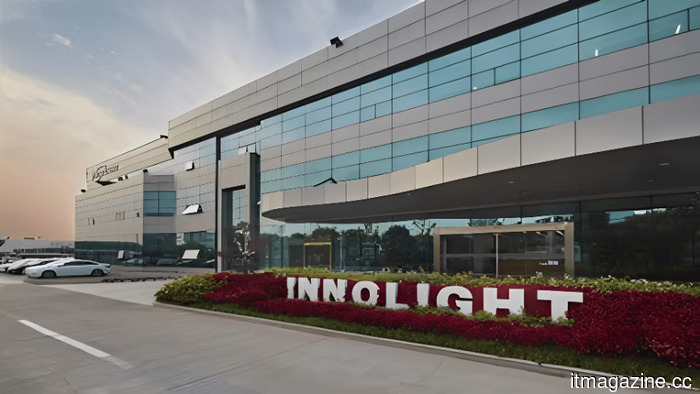 Zhongji Innolight is targeting an $8 billion IPO in Hong Kong.
Zhongji Innolight, a producer of AI data-center optics, is assessing the demand for an $8 billion listing in Hong Kong, which would be the largest in the city since Alibaba's in 2019.
Zhongji Innolight is targeting an $8 billion IPO in Hong Kong.
Zhongji Innolight, a producer of AI data-center optics, is assessing the demand for an $8 billion listing in Hong Kong, which would be the largest in the city since Alibaba's in 2019.
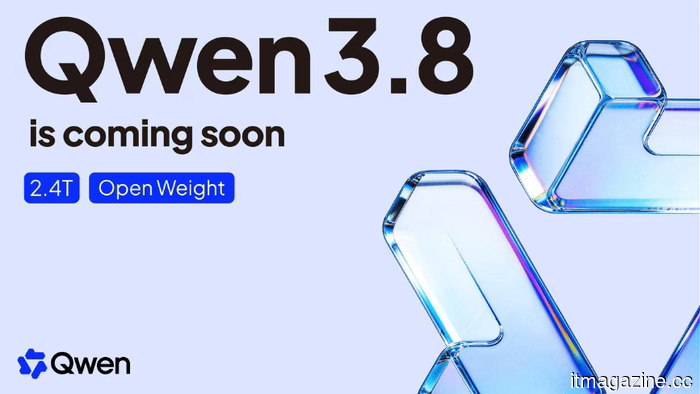 Alibaba claims that Qwen3.8 is the second-best AI model in the world.
Alibaba has showcased Qwen3.8, a model with 2.4 trillion parameters that it asserts is surpassed only by Anthropic’s Fable 5. However, it has yet to present any benchmarks or make its weights publicly available.
Kimi K3 has gained such popularity that Moonshot has halted new registrations.
The demand for Kimi K3 quickly maxed out Moonshot’s GPUs in just 48 hours, prompting the Chinese lab to halt new subscriptions and divide its plans into two tiers.
Alibaba claims that Qwen3.8 is the second-best AI model in the world.
Alibaba has showcased Qwen3.8, a model with 2.4 trillion parameters that it asserts is surpassed only by Anthropic’s Fable 5. However, it has yet to present any benchmarks or make its weights publicly available.
Kimi K3 has gained such popularity that Moonshot has halted new registrations.
The demand for Kimi K3 quickly maxed out Moonshot’s GPUs in just 48 hours, prompting the Chinese lab to halt new subscriptions and divide its plans into two tiers.
OnePlus has disappeared, making Android phones in the US a bit duller.
Samsung and Google will manage well, but Android has lost the brand that was willing to experiment with new ideas.