
Uber consents to a $14.8 billion acquisition of Delivery Hero, which is 26% higher than its May offer.
The bid in May was set at €33, which was below the closing price at the time. Eight weeks later, it has risen to €41.50, with 14 markets specifically allocated to a firm in New York before any inquiries about competition arise.
Uber has decided to purchase Delivery Hero for €41.50 per share in cash, reflecting a 26% increase from its previous offer made in May and aligning closely with the figure that Delivery Hero’s largest shareholders had consistently sought.
On Thursday, the two companies entered into a business combination agreement. This valuation places Delivery Hero at $14.8 billion on a fully diluted basis, or $13.7 billion when adjusted for Uber’s existing stake, creating a platform that spans 99 markets and is projected to achieve combined pro-forma gross bookings of $236 billion by 2025.
The management and supervisory boards of Delivery Hero have unanimously endorsed the offer and plan to recommend that shareholders accept it. Prosus, the largest shareholder, has irrevocably pledged its shares, which increases Uber’s economic stake to approximately 53%.
This situation represents a stark contrast to eight weeks ago. When Delivery Hero acknowledged Uber's €33 bid in May, the price was at a 1.76% discount from the previous close, and several major shareholders were publicly advocating for a price closer to €40, while DoorDash was contemplating a full takeover.
The board had leverage to request a higher offer. They made the request and secured €1.50 more than what the dissenting shareholders wanted.
A key component of this structure is the effort to prevent regulators from rejecting the deal outright. Delivery Hero has also agreed to divest its operations in 14 markets, primarily where its services overlap with Uber Eats, to SSW Partners for about $1.6 billion. This transaction depends on the successful completion of Uber's offer.
Uber will not gain control over the transferred businesses, and SSW will independently seek strategic partners for them. However, Uber will finance a significant portion of the acquisition, with SSW repaying over time, including from future sales.
This arrangement is a familiar approach: a divestiture planned before regulators have been consulted, financed by the buyer, and sold to a firm that will eventually resell the assets. Whether European and Asian regulators will find this carve-out satisfactory and how they will view the vendor financing remains a critical question, one that will not be answered swiftly.
The 14 markets are only described as overlapping jurisdictions for both companies. The offering timetable, the minimum acceptance threshold, and the regulatory paperwork yet to be submitted are all factors that will influence whether this deal closes smoothly next year or faces delays, and none of these details were finalized on Thursday.
For Uber, the strategic rationale continues to align with its perspective from May. Delivery Hero has a presence in over 60 countries across Europe, the Middle East, Asia, Africa, and Latin America, operating under names like Foodpanda, Glovo, Talabat, and South Korea’s Baedal Minjok.
It boasts the largest non-US food delivery network globally, and with DoorDash's acquisition of Deliveroo and Just Eat Takeaway’s sale to Prosus, it is the last significant player without an acquirer.
Uber has been preparing for this acquisition by suspending five of the seven planned European launches for 2026 while targeting Delivery Hero, alongside closing its acquisition of Getir in Turkey earlier this year.
The context that makes this pricing noteworthy is where else Uber is investing its capital. The company has allocated around $10 billion to robotaxi initiatives, including $1.25 billion for a fleet of up to 50,000 autonomous vehicles through Rivian, in addition to partnerships with Wayve, Nissan, Lucid, Nuro, and MOIA.
Dara Khosrowshahi has described these endeavors in recent earnings calls as creating “everyday utility.” Paying $14.8 billion for the delivery segment while simultaneously funding an autonomy program is a costly interpretation of that concept.
Delivery Hero’s CEO Niklas Östberg, who co-founded the company in 2011, announced in May that he plans to step down once a successor is appointed, with the transition aimed for late 2026 and no later than March 31, 2027. He will pass on a company that will no longer require a leader.
Other articles
 Ofcom начинает расследование по вопросам безопасности детей в TikTok
Ofcom расследует, может ли TikTok определить, какие пользователи являются детьми, и удерживает ли он вредоносный контент от них. Штрафы могут составить до 10% от глобального дохода.
Ofcom начинает расследование по вопросам безопасности детей в TikTok
Ofcom расследует, может ли TikTok определить, какие пользователи являются детьми, и удерживает ли он вредоносный контент от них. Штрафы могут составить до 10% от глобального дохода.
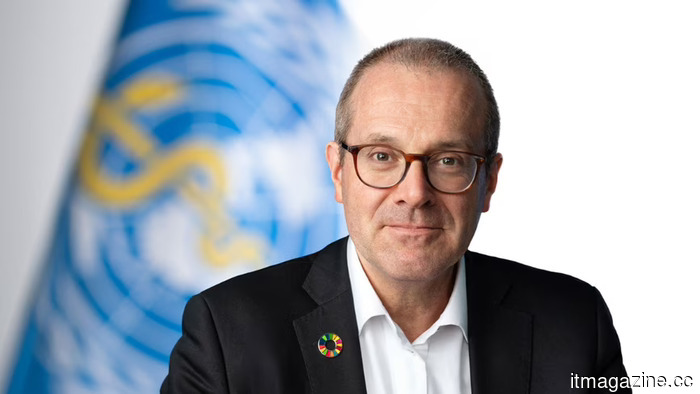 ВОЗ предупреждает, что разрыв в управлении ИИ в здравоохранении Европы становится необратимым
Почти две трети стран в Европейском регионе ВОЗ используют ИИ-диагностику. Одна из 12 стран имеет стратегию для ее управления. Клуге называет этот разрыв определяющим вызовом.
ВОЗ предупреждает, что разрыв в управлении ИИ в здравоохранении Европы становится необратимым
Почти две трети стран в Европейском регионе ВОЗ используют ИИ-диагностику. Одна из 12 стран имеет стратегию для ее управления. Клуге называет этот разрыв определяющим вызовом.
 Ofcom начинает расследование по вопросам безопасности детей в TikTok
Ofcom расследует, может ли TikTok определить, какие пользователи являются детьми, и удерживает ли он вредоносный контент от них. Штрафы могут достигать 10% от глобального дохода.
Ofcom начинает расследование по вопросам безопасности детей в TikTok
Ofcom расследует, может ли TikTok определить, какие пользователи являются детьми, и удерживает ли он вредоносный контент от них. Штрафы могут достигать 10% от глобального дохода.
 Лучший квартал по доходам в Европе за три года — это история о энергии, а не о ИИ.
Прибыль индекса STOXX 600, как ожидается, вырастет на 15,3% во втором квартале, что является наибольшим показателем с 2022 года. Если исключить энергетику, то рост составит 6%, по сравнению с 19,6% в США.
Лучший квартал по доходам в Европе за три года — это история о энергии, а не о ИИ.
Прибыль индекса STOXX 600, как ожидается, вырастет на 15,3% во втором квартале, что является наибольшим показателем с 2022 года. Если исключить энергетику, то рост составит 6%, по сравнению с 19,6% в США.
 Уолл-стрит только что провела лучший квартал в инвестиционном банкинге за последние годы, и она называет ИИ суперциклом.
Голдман зафиксировал рекордные $3,4 млрд в инвестиционно-банковских сборах, что на 55% больше. Его генеральный директор называет это суперциклом капитальных затрат на ИИ. Финансовый директор JPMorgan отказывается от сделок с дата-центрами.
Uber согласовал поглощение Delivery Hero за 14,8 млрд долларов, что на 26% выше его предложения в мае.
Uber согласовал сделку по покупке Delivery Hero за €41,50 за акцию, что оценивает компанию в $14,8 млрд. В мае он предложил €33. Четырнадцать рынков переходят к SSW Partners за $1,6 млрд.
Уолл-стрит только что провела лучший квартал в инвестиционном банкинге за последние годы, и она называет ИИ суперциклом.
Голдман зафиксировал рекордные $3,4 млрд в инвестиционно-банковских сборах, что на 55% больше. Его генеральный директор называет это суперциклом капитальных затрат на ИИ. Финансовый директор JPMorgan отказывается от сделок с дата-центрами.
Uber согласовал поглощение Delivery Hero за 14,8 млрд долларов, что на 26% выше его предложения в мае.
Uber согласовал сделку по покупке Delivery Hero за €41,50 за акцию, что оценивает компанию в $14,8 млрд. В мае он предложил €33. Четырнадцать рынков переходят к SSW Partners за $1,6 млрд.
Uber consents to a $14.8 billion acquisition of Delivery Hero, which is 26% higher than its May offer.
Uber has reached an agreement for a takeover of Delivery Hero at €41.50 per share, which places its valuation at $14.8 billion. In May, Uber had proposed €33 per share. Additionally, fourteen markets will be transferred to SSW Partners for $1.6 billion.