
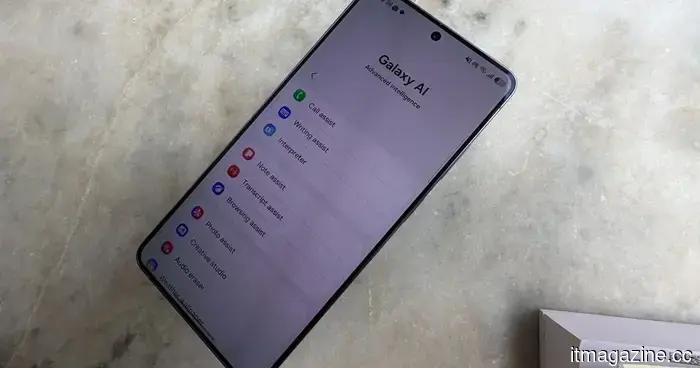
The prominent Privacy Display feature of the Samsung Galaxy S26 Ultra could potentially have an undesirable red tint.
The Galaxy S26 Ultra display issue has taken on a new dimension.
The primary hardware advancement in the Galaxy S26 Ultra was intended to prevent onlookers from viewing the screen. However, this feature may also be linked to a new problem affecting Samsung's flagship model. Reports indicate that some users and retail display units have developed a reddish patch in the middle of the screen, leading Samsung to conduct an internal investigation.
The company has not yet identified whether this is an isolated case or part of a more extensive product flaw. A representative from Samsung informed Korean media outlet Newsway that they are "currently looking into the issue internally to determine the cause."
Samsung's Privacy Display is now under examination.
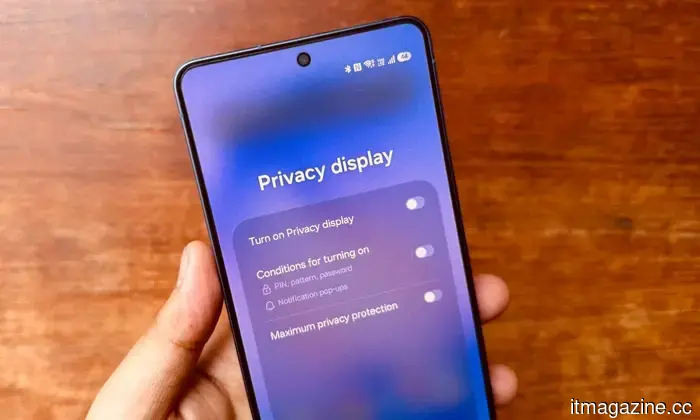
Following the emergence of this issue in certain units, interest has shifted towards the Privacy Display feature of the Galaxy S26 Ultra. This feature modifies the panel to limit side-angle visibility, allowing only the person in front to see the content clearly while obscuring it from those nearby.
Industry experts have raised concerns that the changes made to the panel’s light-emitting structure might affect screen consistency under specific conditions. Some users have speculated about OLED burn-in, where uneven pixel wear results in lasting discoloration or ghost images.
Nevertheless, neither theory has been verified. The existing images do not provide enough information to determine if the reddish patch is due to burn-in, the Privacy Display hardware, software calibration issues, or a defective batch of panels. Samsung must replicate the problem and analyze the affected units before drawing any conclusions.
This seems to differ from a warm screen setting.
Samsung already has a support page addressing complaints about Galaxy S26 screens appearing excessively red or yellow. The company describes slight color variations as a typical feature of AMOLED displays and suggests adjusting the white balance in the Vivid settings.
However, the recent complaint highlights a localized reddish spot near the center, distinguishing it from a mere warm tone adjustment. A calibration issue might be resolved through settings or a software update, but a defect at the panel level would necessitate repairs or replacement.
Currently, Samsung has not announced any corrective actions, and there is no indication that all Galaxy S26 Ultras are affected. The Galaxy S26 Ultra has already accepted some trade-offs associated with the Privacy Display, such as brightness and viewing angle variations. A permanent red spot would be significantly harder for users to tolerate on Samsung's most premium conventional flagship.

Other articles
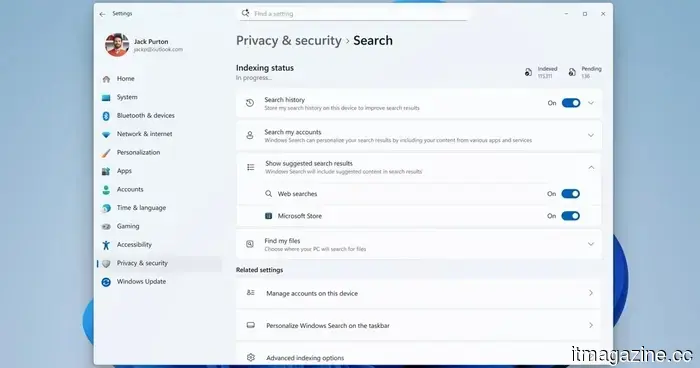 Microsoft is finally addressing the biggest issue with Windows Search, but it isn't available for you to test just yet.
A more serene search experience at home, eliminating sponsored clutter from web results, along with a new privacy toggle, represent Microsoft's most significant update to Windows Search in months.
Microsoft is finally addressing the biggest issue with Windows Search, but it isn't available for you to test just yet.
A more serene search experience at home, eliminating sponsored clutter from web results, along with a new privacy toggle, represent Microsoft's most significant update to Windows Search in months.
 How AI Tools Are Transforming Product Development in Contemporary Business
AI-driven tools are reducing the time required to move from concept to launch, shifting the competitive edge from mere execution to aspects like product evaluation, visual branding, and integrated social interactions. In today's environment, when a consumer product rapidly attracts hundreds of thousands of users within weeks, the outcome is often attributed to […]
How AI Tools Are Transforming Product Development in Contemporary Business
AI-driven tools are reducing the time required to move from concept to launch, shifting the competitive edge from mere execution to aspects like product evaluation, visual branding, and integrated social interactions. In today's environment, when a consumer product rapidly attracts hundreds of thousands of users within weeks, the outcome is often attributed to […]
 Cloudflare Precursor monitors entire sessions to identify bots.
Bots currently account for 57% of internet traffic. Cloudflare Precursor monitors entire sessions rather than a single point in time to distinguish between humans and machines.
Cloudflare Precursor monitors entire sessions to identify bots.
Bots currently account for 57% of internet traffic. Cloudflare Precursor monitors entire sessions rather than a single point in time to distinguish between humans and machines.
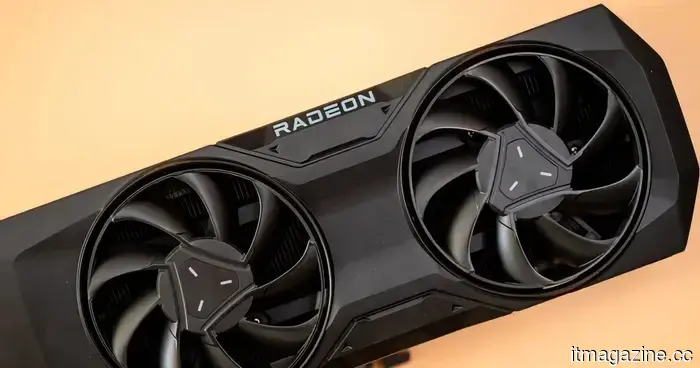 AMD is discreetly developing a frame generation mode that surpasses Nvidia in its own territory.
AMD's newest Radeon drivers feature a Multi-Frame Generation mode that reaches up to 8x, surpassing NVIDIA's 6x. Here's how this could impact your frame rate.
AMD is discreetly developing a frame generation mode that surpasses Nvidia in its own territory.
AMD's newest Radeon drivers feature a Multi-Frame Generation mode that reaches up to 8x, surpassing NVIDIA's 6x. Here's how this could impact your frame rate.
 A report indicates that Instagram and WhatsApp have the highest number of sextortion reports, while iMessage is being used as a tool against adolescents.
Australia's online safety regulator reports that Instagram and WhatsApp lead in sextortion complaints, while teenagers are being targeted via iMessage and Snapchat.
A report indicates that Instagram and WhatsApp have the highest number of sextortion reports, while iMessage is being used as a tool against adolescents.
Australia's online safety regulator reports that Instagram and WhatsApp lead in sextortion complaints, while teenagers are being targeted via iMessage and Snapchat.
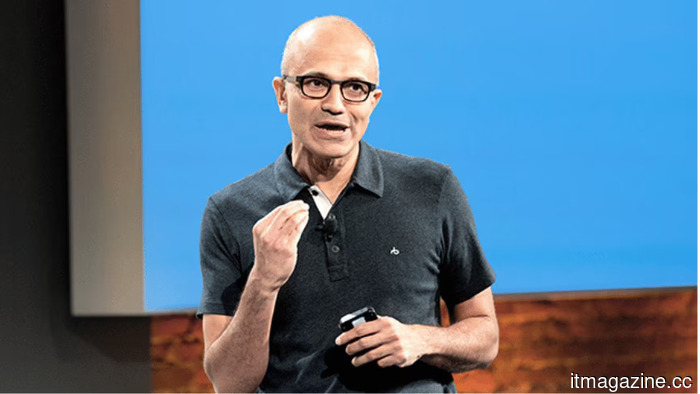 Nadella's Inverse Information Paradox: The concealed expense of AI
Satya Nadella states that companies employing AI incur costs in both monetary terms and in confidential expertise. He refers to this as the Reverse Information Paradox, which Microsoft contributed to developing.
Nadella's Inverse Information Paradox: The concealed expense of AI
Satya Nadella states that companies employing AI incur costs in both monetary terms and in confidential expertise. He refers to this as the Reverse Information Paradox, which Microsoft contributed to developing.
The prominent Privacy Display feature of the Samsung Galaxy S26 Ultra could potentially have an undesirable red tint.
Samsung is looking into reddish stains that have been reported on certain Galaxy S26 Ultra screens, with the atypical Privacy Display panel being a potential reason for the issue.