

Android 17 presents a compelling argument for disregarding Android version numbers altogether.
Android 17 has finally distinguished the Wi-Fi and mobile data buttons, and I can't deny how much that has lifted my spirits. For years, Android treated internet connectivity as a single entity, as if Wi-Fi and cellular data were interdependent. With the release of Android 17 Beta 3, Google has divided the previously combined Internet button into individual Wi-Fi and mobile data tiles, making it easier to toggle each connection with one tap.
This is a positive development, which also makes it somewhat disappointing. When one of the significant improvements in a major OS update is “the buttons are logical again,” the celebration can feel awkward.
How Android updates once felt more exciting
Previously, Android updates had a bit of theatricality to them. Cupcake, Donut, KitKat, Oreo, Pie—these whimsical names provided each release with a distinct identity. There was a small ritual associated with it, even before anyone delved into the features.
Google abandoned the public dessert naming convention with Android 10, citing that the names weren't always globally understood. They also acknowledged that this tradition had become an enjoyable aspect of each annual release, which is why its disappearance made Android feel more corporate practically overnight.
That was a logical choice, but it also served as a subtle warning. Android had grown too large and too global to continue presenting itself like a candy aisle. The numbered releases look cleaner now, but they come across with less character. Android 17 doesn't need a dessert name to be worthwhile, but it requires some reason to stand out as Android 17.
Why useful changes have become less noticeable
Google does have a list of features for Android 17, including Bubbles for multitasking, Screen Reactions for overlaying your image on your phone screen, a gaming mode for foldables, improved privacy controls, enhanced theft protection, and app memory limits aimed at boosting performance and battery life.
While all of that sounds responsible, it doesn’t really evoke excitement. Privacy controls are crucial, but they don’t give your phone a fresh look. App memory limits might prevent severe leaks from resulting in stutters, battery drain, or terminated background tasks, which is solid work for the platform but dull to discuss. Foldable gaming mode may be clever, but is only relevant if you have the right expensive device. Screen Reactions could be beneficial for creators, though it also suggests that Android is a bit too eager to help everyone become a reaction channel.
The split of Wi-Fi and mobile data occupies a different category. It’s not futuristic or hidden; it’s a simple correction. Android had a straightforward control, buried it behind a more cumbersome combined Internet tile, and then restored that straightforward control.
Why version numbers are losing their significance
Android version numbers seem to be losing their meaning for average users. Google has announced that Android 17 is initially rolling out to Pixel devices, with other compatible devices following throughout 2026. Certain advanced devices will also receive Gemini Intelligence later, while Pixel devices will get further updates separately.
This means that what users recognize as “Android” now comes in pieces: the major OS version number, Pixel Drops, Google app updates, OEM skins, delayed AI features, and discreet fixes that appear without fanfare. While the version number still holds value for developers, compatibility, and platform standards, it increasingly resembles a label stuck on repairs that were already underway.
Even the quieter maintenance narrative has gained some attention. Users of stable Android 17 have reported issues like 5G dropouts, disappearing widgets, eSIM complications, and other peculiarities with Pixel devices. Google's June Pixel update addressed 38 issues across various areas such as apps, audio, battery and charging, camera, display, location, telephony, touch, and the UI. Although this doesn't make Android 17 particularly thrilling, it emphasizes that maintenance is becoming less of an optionality.
This may ultimately benefit the platform. Phones ought to become safer, cleaner, and less frustrating without waiting for an annual event. Android 17 still arrives like an administrative update accompanied by a press release. It fulfills its responsibilities quietly and effectively, which is commendable in the same way a reliable plumbing repair is commendable.
Android used to come with a sweet treat, but now it brings platform stability, bug fixes, app limitations, and one button that Google should have separated long ago.



Other articles
 Hong Kong accounts for more than 50% of China's chip imports.
In five months, Hong Kong re-exported $124 billion worth of chips to China, accounting for 52% of the mainland's total, as the AI surge establishes the city as Asia's primary semiconductor center.
Hong Kong accounts for more than 50% of China's chip imports.
In five months, Hong Kong re-exported $124 billion worth of chips to China, accounting for 52% of the mainland's total, as the AI surge establishes the city as Asia's primary semiconductor center.
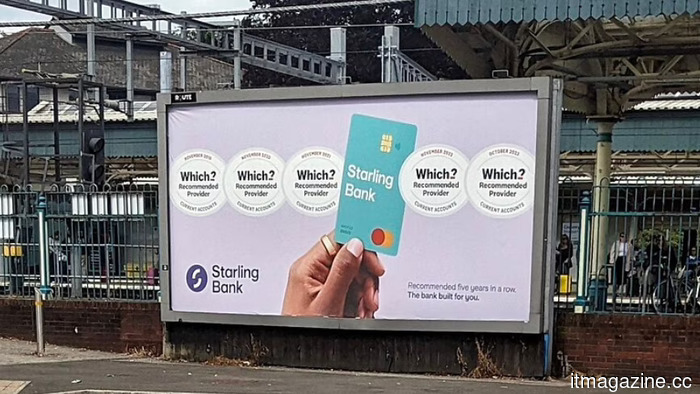 Starling Bank eliminates 130 positions as part of its AI initiatives and restructuring efforts.
London-based neobank Starling is reducing its workforce by 3% as it experiences a decline in profits for the second consecutive year. At the same time, it is recruiting AI engineers and broadening its Engine SaaS platform into the United States.
Starling Bank eliminates 130 positions as part of its AI initiatives and restructuring efforts.
London-based neobank Starling is reducing its workforce by 3% as it experiences a decline in profits for the second consecutive year. At the same time, it is recruiting AI engineers and broadening its Engine SaaS platform into the United States.
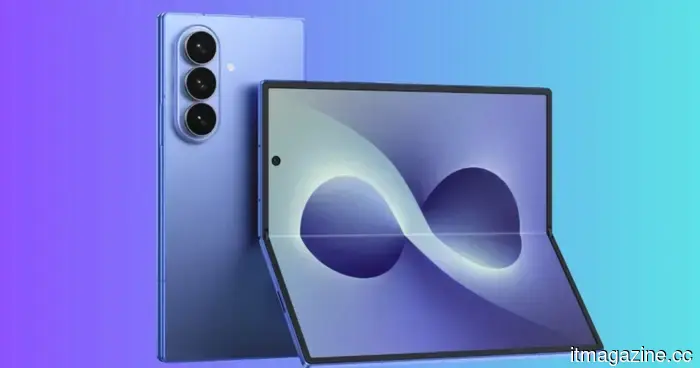 The Galaxy Z Fold 8 series from Samsung may be priced several hundred dollars higher this year.
A recent leak indicates that Samsung's Galaxy Z Fold 8, Fold 8 Ultra, Flip 8, and Galaxy Watch 9 series may debut at significantly increased prices throughout Europe.
The Galaxy Z Fold 8 series from Samsung may be priced several hundred dollars higher this year.
A recent leak indicates that Samsung's Galaxy Z Fold 8, Fold 8 Ultra, Flip 8, and Galaxy Watch 9 series may debut at significantly increased prices throughout Europe.
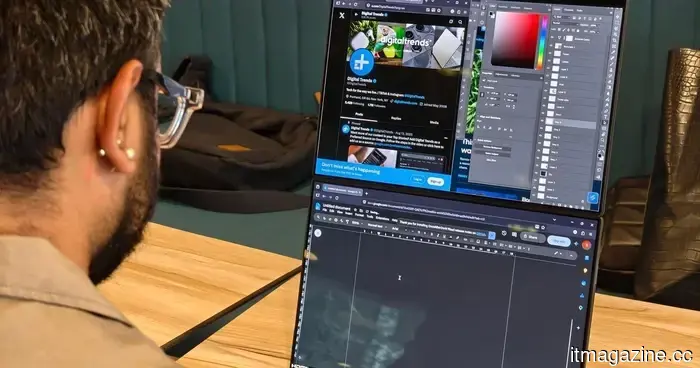 I utilized ASUS' dual-screen laptop as a mobile creative hub, and my desktop PC began to gather dust.
The ASUS Zenbook Duo UX8407AA features two OLED touchscreens, supports pen input, and includes a detachable keyboard, offering a versatile mobile configuration for designers and multitaskers.
I utilized ASUS' dual-screen laptop as a mobile creative hub, and my desktop PC began to gather dust.
The ASUS Zenbook Duo UX8407AA features two OLED touchscreens, supports pen input, and includes a detachable keyboard, offering a versatile mobile configuration for designers and multitaskers.
 Australia's prohibition on children's use of social media is not succeeding. The Senate postponed the solution.
Seventy percent of children are still subject to restrictions on platforms seven months following Australia's social media ban for those under 16. The Senate has recently rejected amendments aimed at enhancing enforcement.
Australia's prohibition on children's use of social media is not succeeding. The Senate postponed the solution.
Seventy percent of children are still subject to restrictions on platforms seven months following Australia's social media ban for those under 16. The Senate has recently rejected amendments aimed at enhancing enforcement.
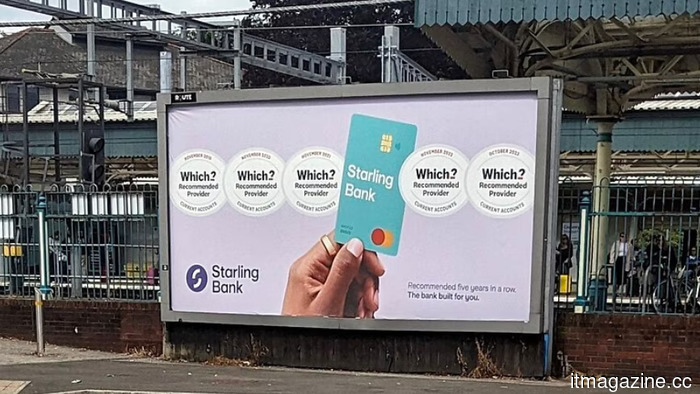 Starling Bank eliminates 130 positions as part of its AI and restructuring initiative.
London-based neobank Starling is reducing its workforce by 3% due to a decline in profits for the second consecutive year. At the same time, it is bringing on AI engineers and growing its Engine SaaS platform in the United States.
Starling Bank eliminates 130 positions as part of its AI and restructuring initiative.
London-based neobank Starling is reducing its workforce by 3% due to a decline in profits for the second consecutive year. At the same time, it is bringing on AI engineers and growing its Engine SaaS platform in the United States.
Android 17 presents a compelling argument for disregarding Android version numbers altogether.
Android 17 includes some beneficial updates, but when the most significant everyday enhancement is a Quick Settings button that actually makes sense again, the yearly version number begins to seem rather insignificant.