
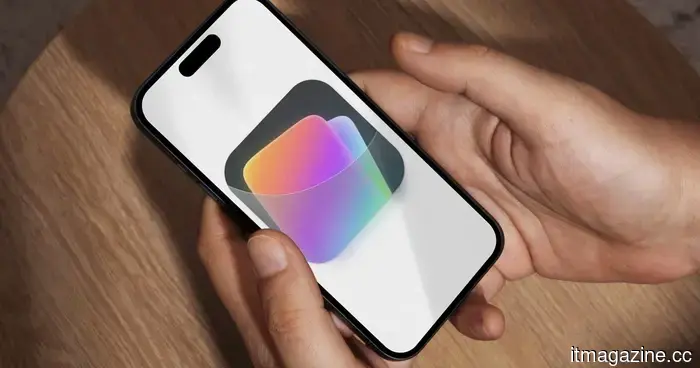
Meta has recently introduced a vibe-coding app for gaming, named Pocket.
Digital Trends might receive a commission if you make a purchase through links on our website. Why place your trust in us?
The latest AI-driven app allows users to create, engage with, and share mini-games using natural language.
If “vibe coding” wasn’t already ubiquitous, Meta is ensuring it becomes so. The company has quietly introduced Pocket, a new AI-driven app that enables users to generate, play, and share interactive mini-games by simply typing their requests. No need for a game engine, programming language, or late-night debugging—just prompts.
Transform prompts into playable games.
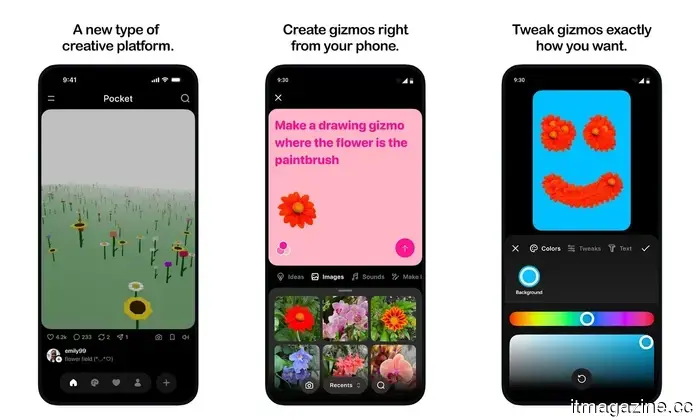
Central to Pocket are what Meta refers to as “gizmos.” These are essentially AI-crafted interactive experiences that can be generated from a straightforward text prompt. Want a game where a flower turns into a paintbrush? Or a small puzzle featuring a space cat? Just describe it, and Pocket creates a playable version that users can immediately try, modify, and share with others.
Pocket serves not only as a creation platform but also as a social feed where users can explore games crafted by others, remix existing creations, and uncover new concepts. In many respects, it resembles TikTok for AI-generated games, infused with a Roblox-like creative element. The key difference is that rather than learning to code, users simply articulate their idea and let AI construct the playable experience.
Notably, Pocket builds on Meta’s acquisition of the team behind Gizmo, a startup that specializes in AI-generated interactive experiences. Rather than integrating this technology into Facebook or Instagram, Meta has developed it into a standalone app solely focused on AI-driven creativity.
Is this the next chapter in vibe coding? Entertainment.
Interestingly, most individuals aren’t truly interested in mastering game development; they simply want to breathe life into a creative idea. Pocket embraces this notion. Instead of requiring users to become proficient in Unity or Unreal Engine, it allows AI to manage the technical details while users concentrate on the creative aspect.
Moreover, Pocket aligns with a familiar approach from Meta. Instead of embedding every new AI feature into Facebook or Instagram, the company has been releasing standalone experimental apps to gauge user interest before incorporating those concepts into their larger platforms. Pocket feels more like a public experiment to explore the potential of AI-powered creativity. The question of Pocket’s success won’t hinge on whether it can produce a game; that aspect is already commendable. The crucial inquiry is whether these AI-generated games are engaging enough to encourage players to return.
Varun is a seasoned technology journalist and editor with over eight years in consumer tech media, with a diverse portfolio of work.
This flower identification app turns every walk into a Pokémon Go for plants.
flormie allows iPhone users to scan flowers, save them as collectibles, and create a more tranquil real-world collection game.
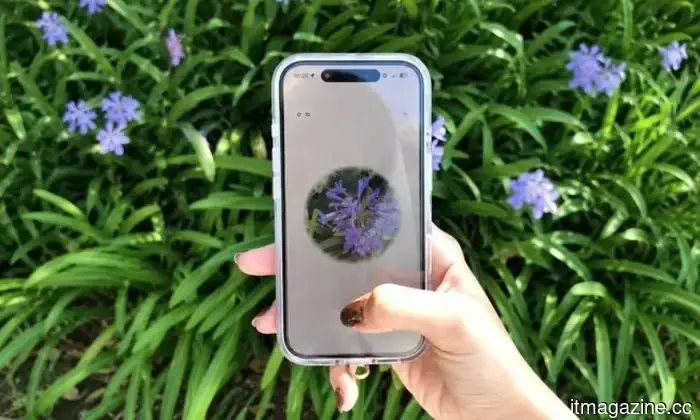
A new flower identification app aims to make daily walks feel somewhat like Pokémon Go, but with fewer raids and significantly less public phone shouting. flormie is an iPhone app centered around a straightforward process: discovery a flower outside, scan it, and add it to a growing collection. This turns a regular walk into a relaxed nature hunt, without suggesting that every sidewalk requires battle mechanisms.
Apple is set to alert iPhone users before they fall victim to scams.
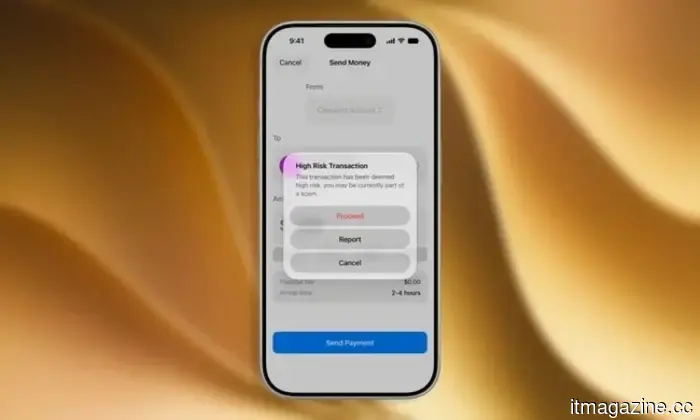
The new Trust Insights system in iOS 27 monitors user interactions during calls, texts, and emails to help prevent scams.
Apple is rolling out a new anti-fraud feature with iOS 27 designed to detect scam attempts in real-time. The system, known as Trust Insights, analyzes user behavior during calls, text conversations, or email exchanges and can issue a warning or prompt a verification step if it senses signs of manipulation.
Samsung’s Galaxy S27 Pro and Ultra may finally upgrade that outdated selfie camera.
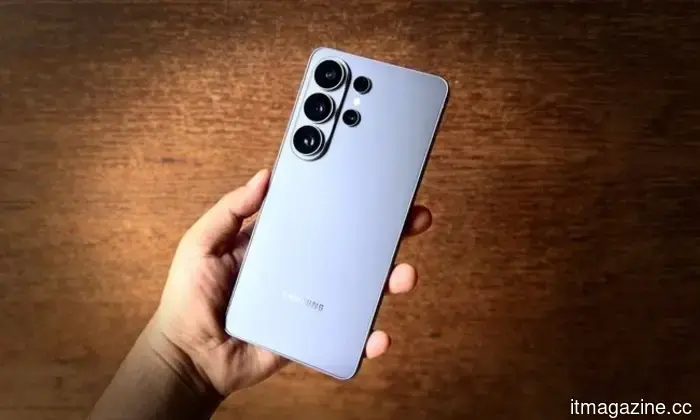
Samsung looks poised to stop using old camera hardware.
Samsung has utilized the same 12MP front camera in its flagship devices for what seems like ages, leading many to believe it would never change. However, a recent leak offers a glimmer of hope. According to the reliable source Ice Universe and the accurate Samsung leak site GalaxyClub, we might finally see an upgrade to the selfie camera in Samsung’s upcoming flagship models, the Galaxy S27 Pro and Ultra—not merely a spec enhancement either.

Other articles
 Crusoe is said to be in negotiations to secure $3 billion, potentially tripling its valuation.
Crusoe, an AI infrastructure company, is reportedly in discussions to secure approximately $3 billion in funding, which could elevate its valuation to around $30 billion, according to Bloomberg.
Crusoe is said to be in negotiations to secure $3 billion, potentially tripling its valuation.
Crusoe, an AI infrastructure company, is reportedly in discussions to secure approximately $3 billion in funding, which could elevate its valuation to around $30 billion, according to Bloomberg.
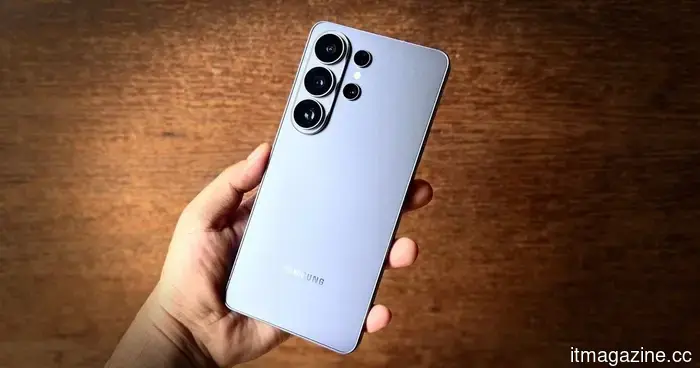 Samsung's Galaxy S27 Pro and Ultra might finally replace that outdated selfie camera.
Samsung's Galaxy S27 Pro and Ultra could replace the aging 12MP front camera with a more detailed 16MP sensor, along with enhanced telephoto and ultra-wide lenses.
Samsung's Galaxy S27 Pro and Ultra might finally replace that outdated selfie camera.
Samsung's Galaxy S27 Pro and Ultra could replace the aging 12MP front camera with a more detailed 16MP sensor, along with enhanced telephoto and ultra-wide lenses.
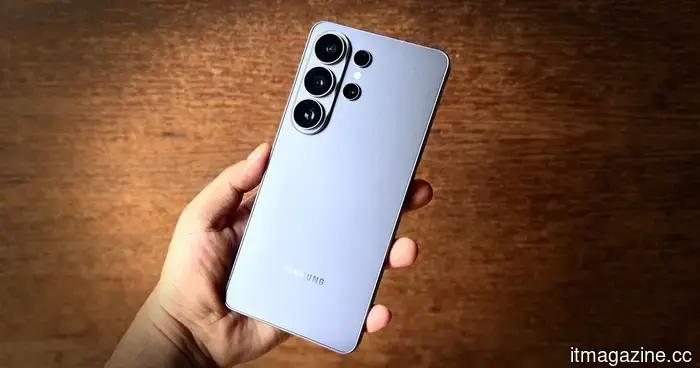 Samsung's Galaxy S27 Pro and Ultra may finally replace that outdated selfie camera.
The Galaxy S27 Pro and Ultra from Samsung might replace the outdated 12MP selfie camera with a clearer 16MP sensor, along with enhanced telephoto and ultra-wide lenses.
Samsung's Galaxy S27 Pro and Ultra may finally replace that outdated selfie camera.
The Galaxy S27 Pro and Ultra from Samsung might replace the outdated 12MP selfie camera with a clearer 16MP sensor, along with enhanced telephoto and ultra-wide lenses.
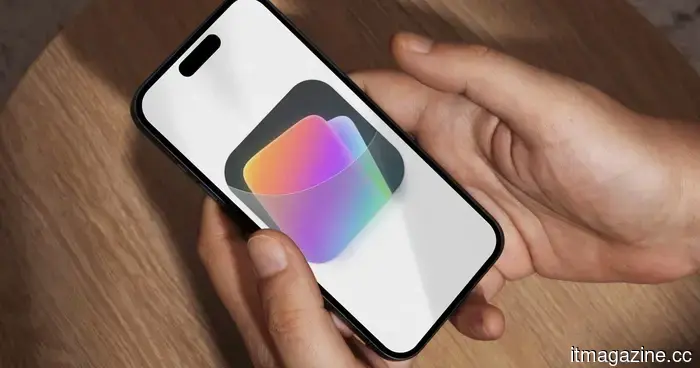 Meta has just introduced a vibe-coding application for games, named Pocket.
Meta has discreetly introduced Pocket, a new app powered by AI that enables users to create, play, and share mini-games just by describing them in straightforward English.
Meta has just introduced a vibe-coding application for games, named Pocket.
Meta has discreetly introduced Pocket, a new app powered by AI that enables users to create, play, and share mini-games just by describing them in straightforward English.
 Spotify takes a stand against Kalshi and Polymarket following concerns that the chart performance of a song appeared manipulated.
Spotify removed 500,000 fraudulent streams from a song by Malcolm Todd and instructed Kalshi and Polymarket to eliminate its logo after bettors seemed to manipulate its charts.
Spotify takes a stand against Kalshi and Polymarket following concerns that the chart performance of a song appeared manipulated.
Spotify removed 500,000 fraudulent streams from a song by Malcolm Todd and instructed Kalshi and Polymarket to eliminate its logo after bettors seemed to manipulate its charts.
 GoDaddy cautions that India's efforts to combat fake websites might have unintended consequences.
GoDaddy is challenging a Delhi court ruling regarding counterfeit websites, cautioning that eliminating default domain privacy could compromise the identities of millions of genuine owners.
GoDaddy cautions that India's efforts to combat fake websites might have unintended consequences.
GoDaddy is challenging a Delhi court ruling regarding counterfeit websites, cautioning that eliminating default domain privacy could compromise the identities of millions of genuine owners.
Meta has recently introduced a vibe-coding app for gaming, named Pocket.
Meta has discreetly introduced Pocket, a new AI-driven application that allows users to create, play, and share mini-games just by explaining them in everyday language.