
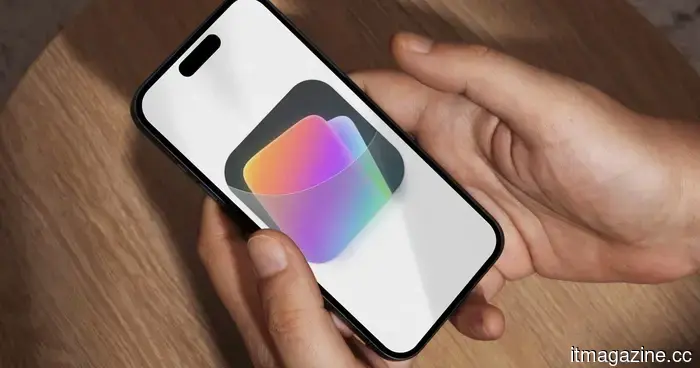
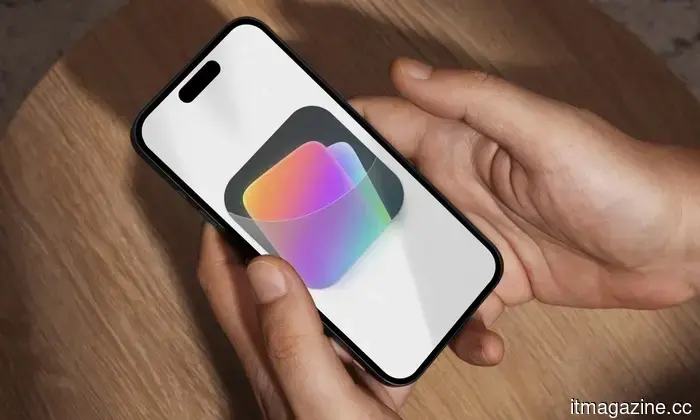
Meta has just introduced a vibe-coding application for games, named Pocket.
Digital Trends may receive a commission when you purchase through links on our site. Why should you trust us?
The new AI-driven application allows users to create, play, and share mini-games using natural language.
Varun Mirchandani / Digital Trends
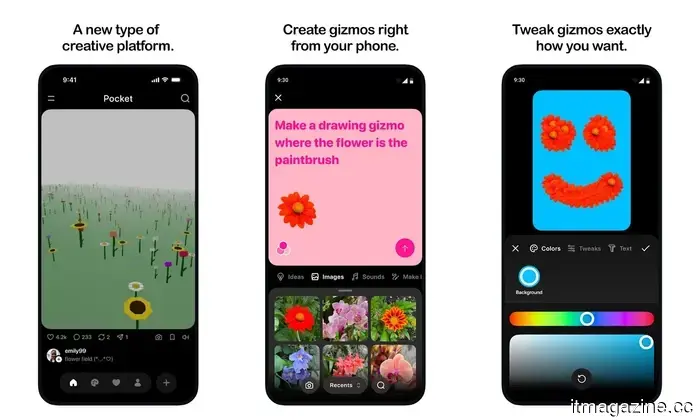
If the concept of “vibe coding” wasn’t already widespread, Meta is ensuring it becomes so. The company has quietly unveiled Pocket, a fresh AI-powered app that enables users to create, play, and share interactive mini-games simply by typing their ideas. There’s no need for a game engine, programming language, or late-night debugging—just prompts.
Transform prompts into games you can play
Central to Pocket are what Meta terms “gizmos.” These are essentially AI-generated interactive experiences that can be produced from a straightforward text prompt. Interested in a game where a flower turns into a paintbrush or a tiny puzzle featuring a space cat? Just describe it, and Pocket generates a playable version that can be instantly tried, modified, and shared with others.
Pocket serves a dual purpose: it’s not only a creation tool but also functions as a social platform where users can explore games created by others, remix existing projects, and find fresh ideas. In many aspects, it resembles a TikTok for AI-generated games with a creative twist akin to Roblox. Instead of requiring users to learn coding, they merely describe their concept and allow AI to create the playable experience.
Interestingly, Pocket builds upon Meta’s acquisition of the Gizmo team, a startup centered on AI-generated interactive experiences. Rather than relegating this technology to Facebook or Instagram, Meta has developed it into an independent app focused specifically on AI-driven creativity.
Is this the next chapter of vibe coding? Entertainment.
The amusing part is that most users aren't interested in mastering game development; they simply want to manifest a fun concept. Pocket embraces this notion. Instead of compelling users to learn Unity or Unreal Engine, it allows AI to handle the technicalities while users concentrate on the creative aspects.
Meta Pocket / Google Play Store
Additionally, Pocket follows a familiar Meta approach. Rather than integrating every new AI feature into Facebook or Instagram, the company has increasingly opted to release standalone experimental apps to gauge user response before incorporating those ideas into larger platforms. Pocket feels less like a polished product and more like a public experiment in exploring the future of AI-powered creativity. The question of Pocket’s success hinges not on its ability to generate games—an already impressive feat—but rather if those AI-created games are engaging enough to attract players consistently.
Varun is a seasoned technology journalist and editor with over eight years of experience in consumer tech media. His work encompasses...
This flower identification app turns everyday walks into Pokémon Go for plants.
Flormie allows iPhone users to scan flowers, save them as collectibles, and create a more relaxed real-world collection game.
A new flower identification application seeks to make daily walks feel somewhat reminiscent of Pokémon Go, but with fewer raids and significantly less public phone shouting. Flormie is an iPhone app designed around a simple process: find a flower outdoors, scan it, and add it to your expanding collection. This transforms a typical walk into a low-pressure nature exploration, without suggesting that every sidewalk requires battle mechanics.
Your iPhone will soon alert you before you fall victim to a scam.
The new Trust Insights system in iOS 27 monitors for signs of coercion during calls, texts, and emails to help users avoid scams.
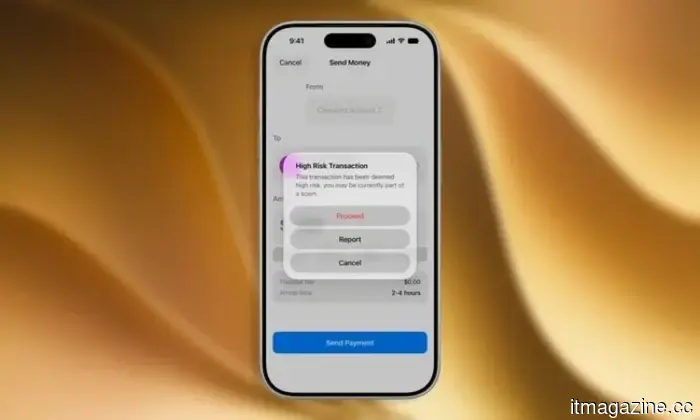
Apple is launching a new anti-fraud system with iOS 27 aimed at capturing scam attempts in real-time. This framework, called Trust Insights, observes user behavior during calls, text conversations, or email exchanges and can issue a warning or add a verification step if it detects indications of manipulation.
How Trust Insights functions
Samsung’s Galaxy S27 Pro and Ultra may finally replace that outdated selfie camera.
Samsung might finally stop reusing old camera hardware.
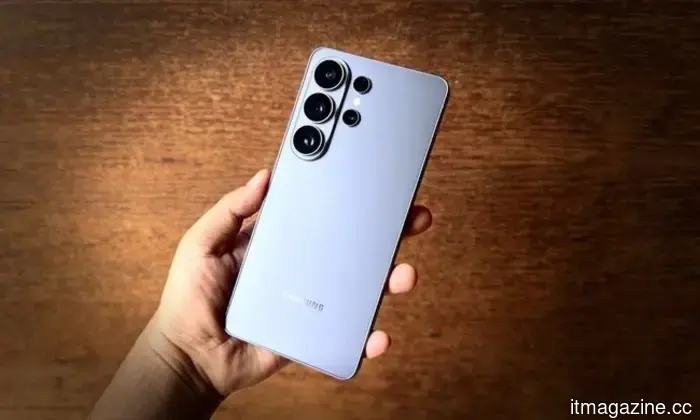
Samsung has utilized the same 12MP front camera on its flagship devices for what feels like an eternity, and I was beginning to think it would never change; however, a recent leak offers a glimmer of hope. According to Ice Universe, a credible source, GalaxyClub, known for its reliable Samsung leaks, has indicated that we might finally see an upgrade to the selfie camera in Samsung’s next-generation flagship models, the Galaxy S27 Pro and Ultra, and it’s more than just a spec enhancement.
https://twitter.com/universeice/status/2072837912979509422


Other articles
 Brave's new Container feature is a game changer for those managing several accounts.
Brave now allows desktop users to open tabs in individual Containers, enabling multiple accounts from the same website to operate simultaneously.
Brave's new Container feature is a game changer for those managing several accounts.
Brave now allows desktop users to open tabs in individual Containers, enabling multiple accounts from the same website to operate simultaneously.
 China has authorized Unitree’s registration for a listing in Shanghai, estimating the IPO's value at $619 million.
China's securities regulator has given the green light to Unitree's IPO registration on the Shanghai STAR Market, allowing for a listing valued at approximately $619 million.
China has authorized Unitree’s registration for a listing in Shanghai, estimating the IPO's value at $619 million.
China's securities regulator has given the green light to Unitree's IPO registration on the Shanghai STAR Market, allowing for a listing valued at approximately $619 million.
 Amazon's competitor to Starlink plans to launch satellite internet services later this year.
Amazon intends to roll out its first Leo satellite internet service later this year, having successfully positioned nearly 400 satellites in orbit, which poses a significant challenge to SpaceX's Starlink.
Amazon's competitor to Starlink plans to launch satellite internet services later this year.
Amazon intends to roll out its first Leo satellite internet service later this year, having successfully positioned nearly 400 satellites in orbit, which poses a significant challenge to SpaceX's Starlink.
 Amazon Leo possesses a sufficient number of satellites to compete with Starlink.
Amazon reports that its recent launch has brought the total number of Amazon Leo satellites to approximately 396, which is sufficient to begin commercial internet services this year in competition with Starlink.
Amazon Leo possesses a sufficient number of satellites to compete with Starlink.
Amazon reports that its recent launch has brought the total number of Amazon Leo satellites to approximately 396, which is sufficient to begin commercial internet services this year in competition with Starlink.
 Soon, you'll have the ability to use WhatsApp on your iPad without needing to interact with your iPhone.
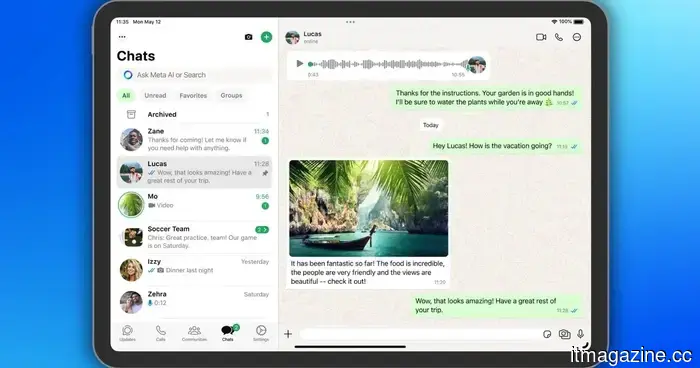
iPad users can now operate WhatsApp as an independent primary device without requiring an iPhone.
Soon, you'll have the ability to use WhatsApp on your iPad without needing to interact with your iPhone.
iPad users can now operate WhatsApp as an independent primary device without requiring an iPhone.
 Amazon's competitor to Starlink is expected to debut its satellite internet service later this year.
Amazon intends to roll out its first Leo satellite internet service later this year after deploying nearly 400 satellites into orbit, presenting a greater challenge to SpaceX's Starlink.
Amazon's competitor to Starlink is expected to debut its satellite internet service later this year.
Amazon intends to roll out its first Leo satellite internet service later this year after deploying nearly 400 satellites into orbit, presenting a greater challenge to SpaceX's Starlink.
Meta has just introduced a vibe-coding application for games, named Pocket.
Meta has discreetly introduced Pocket, a new app powered by AI that enables users to create, play, and share mini-games just by describing them in straightforward English.