
Amazon's competitor to Starlink is expected to debut its satellite internet service later this year.
After launching nearly 400 satellites, Amazon has announced that its Leo broadband service will be operational later this year.
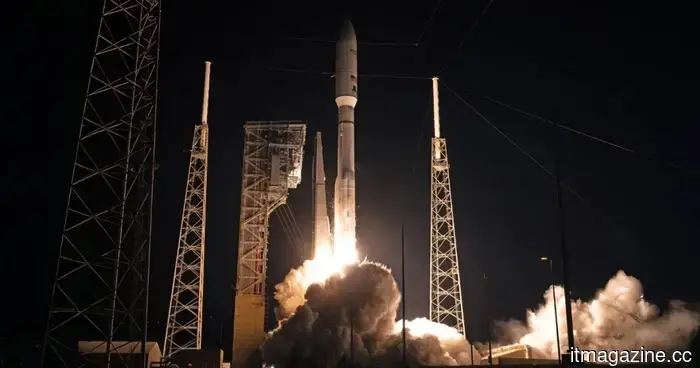
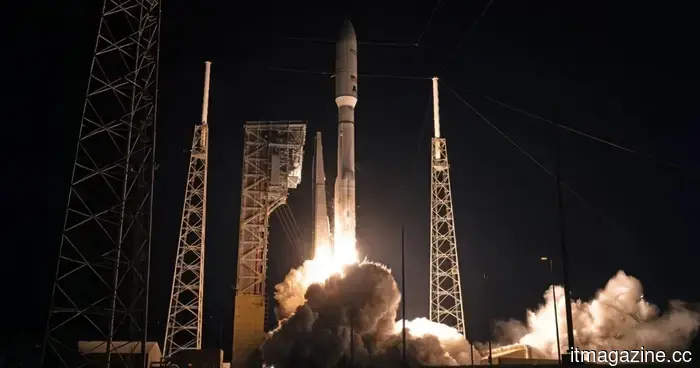
Amazon's long-anticipated response to SpaceX's Starlink is approaching its launch phase. As reported by Reuters, the company intends to offer its Leo satellite internet service by the end of the year, following its recent rocket launch that successfully placed 394 satellites into orbit.
Things are coming together for Project Kuiper
This achievement followed Amazon's latest mission, which deployed an additional 29 satellites using a United Launch Alliance (ULA) Atlas V rocket. Chris Weber, the vice president of Amazon Leo (previously known as Project Kuiper), noted that further work is required before the satellites can operate at their designated positions. However, Amazon has conducted enough launches to initiate its service rollout this year.
The last few launches have been significant for @AmazonLeo, bringing the total to over 390 satellites in orbit, sufficient to provide continuous service across the initial latitudes. There is still much to be done, including raising these new satellites to their assigned altitudes, but we've completed enough… pic.twitter.com/UZb404fXRq— Chris Weber (@Weber44Chris) July 2, 2026
Amazon has not disclosed which countries or regions will be the first to receive service. Nevertheless, Reuters indicates that coverage is anticipated to start near the north and south poles of the Earth, gradually expanding toward the equator as more satellites are added to the network. Ultimately, Leo aims to launch over 3,200 satellites to ensure global broadband coverage.
A significant contender against Starlink
In contrast to traditional satellite internet services that depend on a limited number of satellites positioned high above Earth, Low Earth Orbit (LEO) constellations consist of thousands of satellites placed much closer to the ground. This configuration significantly enhances speed and reduces latency, making it much more suitable for applications such as streaming, video calls, online gaming, and remote work.
This is the very market Amazon wishes to enter. Similar to Starlink, the company aims to provide internet services to households through dedicated user terminals, also targeting businesses, governments, and sectors like airlines. With Starlink currently operating around 10,000 satellites, Amazon still has a considerable way to go. However, the entry of another major player into the LEO internet market could lead to increased competition, improved coverage, and potentially lower prices for consumers in the future.
Amazon's Starlink competitor has just achieved a significant milestone, but reliable internet is not expected immediately.
Amazon has made substantial progress toward launching its long-anticipated satellite internet service. Following its most recent rocket launch, the company now has 396 Project Kuiper satellites in low-Earth orbit, sufficient to start providing continuous service in select areas. This milestone keeps Amazon aligned with its previously stated objective of beginning commercial service by mid-2026.



Other articles
 Spotify contests Kalshi and Polymarket following suspicions that a song's chart performance appeared manipulated.
Spotify removed 500,000 fraudulent streams from a song by Malcolm Todd and instructed Kalshi and Polymarket to eliminate its logo after bettors seemed to manipulate its charts.
Spotify contests Kalshi and Polymarket following suspicions that a song's chart performance appeared manipulated.
Spotify removed 500,000 fraudulent streams from a song by Malcolm Todd and instructed Kalshi and Polymarket to eliminate its logo after bettors seemed to manipulate its charts.
 Amazon's competitor to Starlink plans to launch satellite internet services later this year.
Amazon intends to roll out its first Leo satellite internet service later this year, having successfully positioned nearly 400 satellites in orbit, which poses a significant challenge to SpaceX's Starlink.
Amazon's competitor to Starlink plans to launch satellite internet services later this year.
Amazon intends to roll out its first Leo satellite internet service later this year, having successfully positioned nearly 400 satellites in orbit, which poses a significant challenge to SpaceX's Starlink.
 GoDaddy cautions that India's efforts to combat fake websites might have unintended consequences.
GoDaddy is challenging a Delhi court ruling regarding counterfeit websites, cautioning that eliminating default domain privacy could compromise the identities of millions of genuine owners.
GoDaddy cautions that India's efforts to combat fake websites might have unintended consequences.
GoDaddy is challenging a Delhi court ruling regarding counterfeit websites, cautioning that eliminating default domain privacy could compromise the identities of millions of genuine owners.
 India extends its crackdown on usernames to include Telegram and Signal.
A day after directing WhatsApp to halt its usernames feature, India's IT ministry has issued comparable notices to Telegram and Signal, according to a government source.
India extends its crackdown on usernames to include Telegram and Signal.
A day after directing WhatsApp to halt its usernames feature, India's IT ministry has issued comparable notices to Telegram and Signal, according to a government source.
 ElevenLabs is in discussions regarding a tender offer that values the company at $22 billion, essentially doubling its valuation from February.
ElevenLabs is said to be in initial discussions regarding an employee tender offer that would value the voice AI startup at around $22 billion, which is twice its valuation from February.
ElevenLabs is in discussions regarding a tender offer that values the company at $22 billion, essentially doubling its valuation from February.
ElevenLabs is said to be in initial discussions regarding an employee tender offer that would value the voice AI startup at around $22 billion, which is twice its valuation from February.
 Samsung's Galaxy S27 Pro and Ultra may finally replace the outdated selfie camera.
Samsung's Galaxy S27 Pro and Ultra could replace the outdated 12MP selfie camera with a higher resolution 16MP sensor, along with enhanced telephoto and ultra-wide lenses.
Samsung's Galaxy S27 Pro and Ultra may finally replace the outdated selfie camera.
Samsung's Galaxy S27 Pro and Ultra could replace the outdated 12MP selfie camera with a higher resolution 16MP sensor, along with enhanced telephoto and ultra-wide lenses.
Amazon's competitor to Starlink is expected to debut its satellite internet service later this year.
Amazon intends to roll out its first Leo satellite internet service later this year after deploying nearly 400 satellites into orbit, presenting a greater challenge to SpaceX's Starlink.