

Amazon aims to create custom chips for its Kindle, Fire TV, and Echo speaker devices.
Apple was the pioneer in this arena. Now, Amazon is following suit, starting with an annual production of 40 million chips and partnering with a largely unknown collaborator.
Amazon's choice to design its own chips may reshape the consumer electronics landscape similarly to how Apple did it nearly two decades ago.
Supply chain analyst Ming-Chi Kuo indicates that Amazon is gearing up to move away from using externally sourced processors for its consumer electronics, marking its first significant change in processor procurement in 20 years. This transition is anticipated to start in 2027.
What plans does Amazon have in store?
As per Kuo's industry insights, Amazon intends to implement a COT (customer-owned tooling) model for its self-designed chips, mirroring the method already applied for its Trainium AI chips (via @mingchikuo).
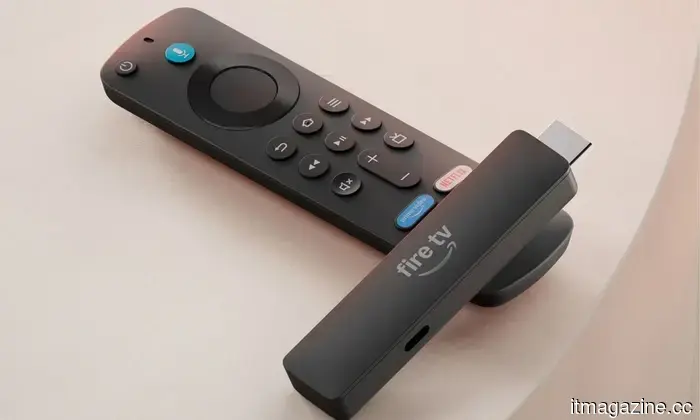
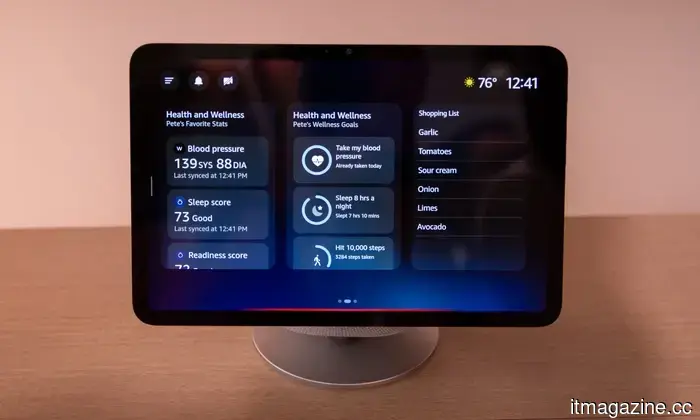
This approach means Amazon will create chips in-house instead of purchasing processors from external suppliers. The products impacted by this change include the Kindle, Fire TV, Echo, Alexa-enabled devices, Blink cameras, and Ring doorbells.
Kuo mentions that Amazon has chosen Alchip as its exclusive partner for back-end chip design and testing. Following the completion of this transition, it is estimated that Amazon's in-house processors will ship around 40 million units annually.
Why is Amazon making this shift now?
The decision is primarily influenced by financial considerations. Kuo points out that Amazon's free cash flow for the year ending Q1 2026 dropped by 95% year-over-year to about $1.2 billion due to its aggressive investments in AI. Kuo's findings received confirmation on the same day they were released.
In a CNBC interview, Amazon's hardware chief, Panos Panay, verified that the company is already developing end-to-end silicon for devices like the Echo Show 8, Echo Show 11, and Fire TV.
However, Panay did not elaborate on the specific products, partners, or timeline referenced in Kuo’s report. The company revealed its AZ3 (which powers the Echo Dot Max) and AZ3 Pro chips (used in Echo Studio and Echo Show devices) in October 2025, designed to execute AI models locally instead of relying on cloud processing.
Although Amazon continues to use third-party chips from suppliers like Qualcomm where necessary, Panay emphasized that essential devices are moving towards proprietary silicon. He also hinted at "a whole roadmap of on-the-go devices," indicating that the chip strategy will extend far beyond smart home applications.




Other articles
 AI aims to condense everything. TripAdvisor's deceptive reviews indicate that AI could also spoil your travel arrangements.
TripAdvisor's AI-generated review summaries are describing unsafe hotels as "spotless" and "friendly." Here’s why you should be cautious about relying on that AI summary before making a reservation.
AI aims to condense everything. TripAdvisor's deceptive reviews indicate that AI could also spoil your travel arrangements.
TripAdvisor's AI-generated review summaries are describing unsafe hotels as "spotless" and "friendly." Here’s why you should be cautious about relying on that AI summary before making a reservation.
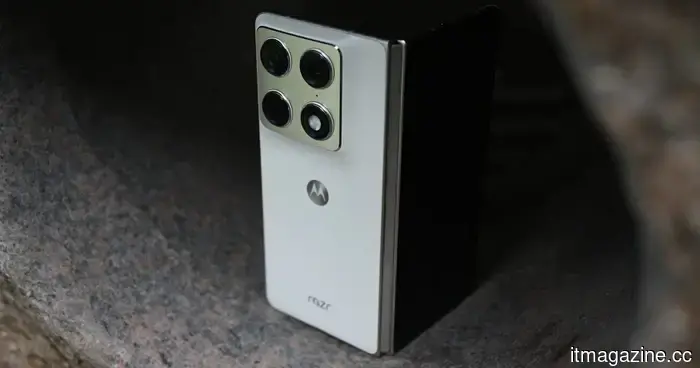 The Razr Fold now has improved compatibility with iPhones due to AirDrop.
The Motorola Razr Fold is now the first Motorola smartphone to enable AirDrop-like file sharing with Apple devices via Google’s Quick Share.
The Razr Fold now has improved compatibility with iPhones due to AirDrop.
The Motorola Razr Fold is now the first Motorola smartphone to enable AirDrop-like file sharing with Apple devices via Google’s Quick Share.
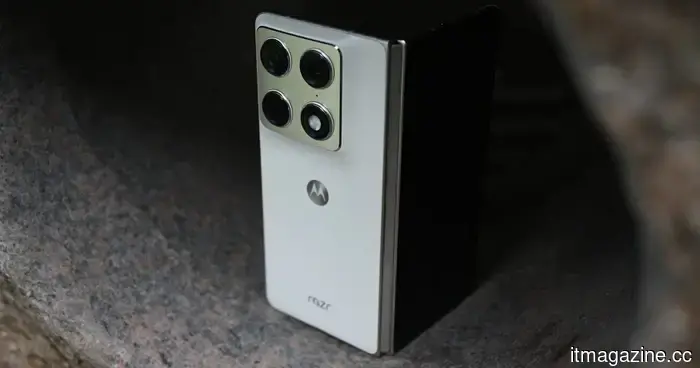 The Razr Fold now interacts more smoothly with iPhones thanks to AirDrop.
The Motorola Razr Fold is the inaugural Motorola smartphone to enable AirDrop-like file sharing with Apple devices via Google’s Quick Share.
The Razr Fold now interacts more smoothly with iPhones thanks to AirDrop.
The Motorola Razr Fold is the inaugural Motorola smartphone to enable AirDrop-like file sharing with Apple devices via Google’s Quick Share.
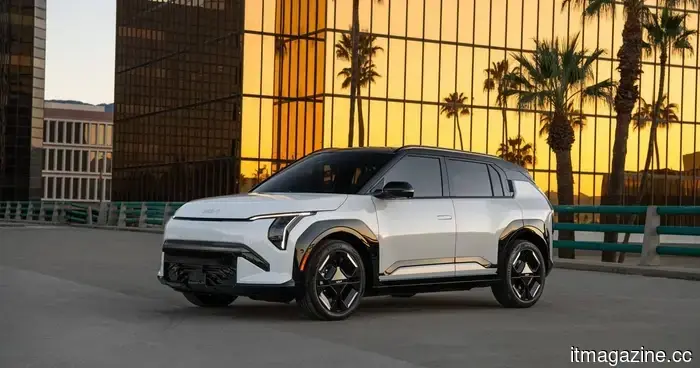 A hijacked Kia exposes the concealed boundaries of connected car technology.
Ian Fogg had a doorbell camera, an AirTag, and access to Kia Connect when his vehicle was stolen. Despite eight location requests, the car remains missing.
A hijacked Kia exposes the concealed boundaries of connected car technology.
Ian Fogg had a doorbell camera, an AirTag, and access to Kia Connect when his vehicle was stolen. Despite eight location requests, the car remains missing.
 Anthropic is in discussions with Samsung regarding the production of a tailor-made AI chip.
Anthropic is in talks with Samsung regarding a partnership for a custom chip, but the project is still in its early stages and the company has yet to finalize a design.
Anthropic is in discussions with Samsung regarding the production of a tailor-made AI chip.
Anthropic is in talks with Samsung regarding a partnership for a custom chip, but the project is still in its early stages and the company has yet to finalize a design.
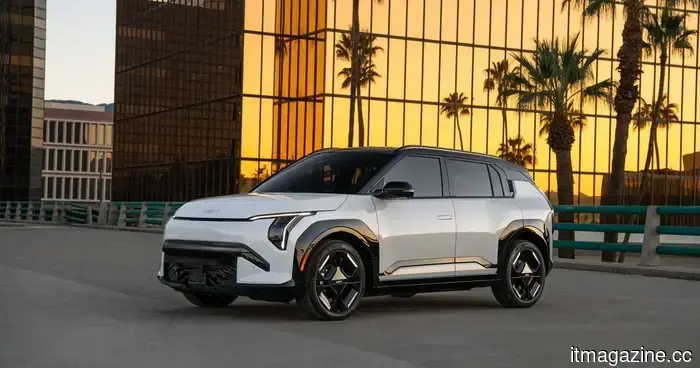 A stolen Kia exposes the concealed limitations of connected vehicle technology.
Ian Fogg had a doorbell camera, an AirTag, and accessibility to Kia Connect when his vehicle was taken. Despite eight location requests, the car remains missing.
A stolen Kia exposes the concealed limitations of connected vehicle technology.
Ian Fogg had a doorbell camera, an AirTag, and accessibility to Kia Connect when his vehicle was taken. Despite eight location requests, the car remains missing.
Amazon aims to create custom chips for its Kindle, Fire TV, and Echo speaker devices.
Ming-Chi Kuo's supply chain analysis, along with an interview with Panos Panay on the same day, illustrate a unified narrative. Amazon is fully committed to developing custom chips.